There’s a particular kind of hope that shows up in the pharmacy line: the belief that a pill will behave like a light switch. Take it, feel it. Maybe not instantly—but soon enough that the day doesn’t have to change.
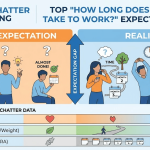
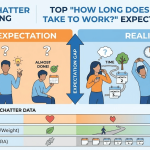
But drugs don’t all work on the same clock. Some start doing something quickly (often in the background), while the outcome people actually care about—symptom relief, lab improvement, measurable risk reduction—can lag behind by days, weeks, or longer. And when patients expect the visible effect to arrive on the first day, disappointment becomes a side effect of its own.
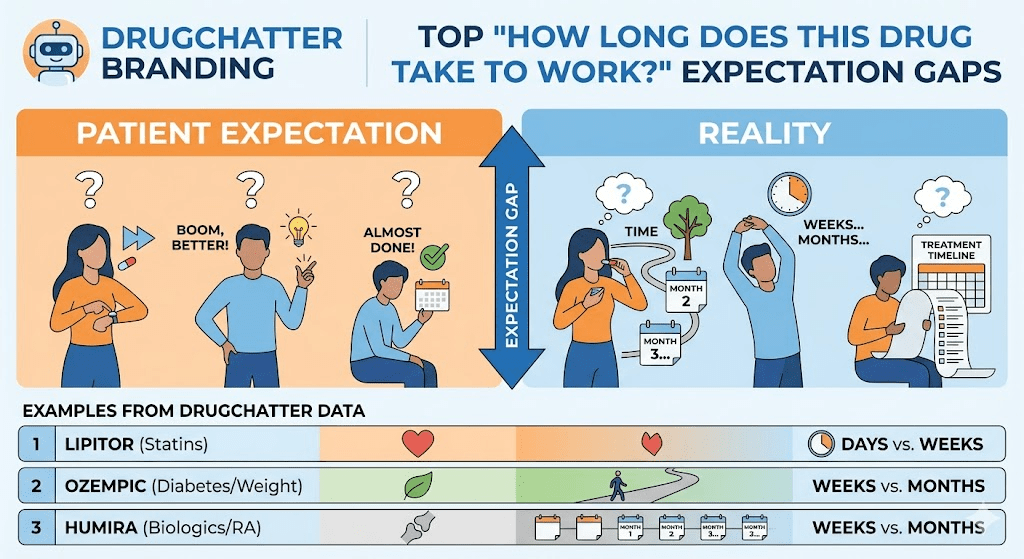
Below are some of the most common “how long does this drug take to work?” expectation gaps—along with the DrugChatter answers that help put the timeline back on its feet.
1) Cholesterol drugs: the lab results arrive later than the “I feel fine” moment
Statins like Lipitor are a classic example of the mismatch between biologic activity and what you can notice. You may feel nothing at all while the medication is quietly doing its job. The question isn’t whether it works—it’s when the cholesterol numbers start to move.
- What’s the typical timeframe for Lipitor’s cholesterol reduction?
- How does Lipitor’s minimum dose differ in effectiveness from higher doses?
- How do ace inhibitors impact Lipitor’s cholesterol lowering effects?
- How do ace inhibitors affect Lipitor’s cholesterol lowering?
2) Pain relief: “maximum relief” is not the same as “first relief”
With pain meds, people often track the wrong milestone. Early improvement can happen before the peak effect. If you’re waiting for the “best possible” relief, you may conclude the drug isn’t working—when it’s simply still climbing.
- What’s the typical onset time for Advil’s maximum relief?
- How does Advil’s formula accelerate pain relief compared to other pain meds?
- Does alcohol negate Advil’s anti inflammatory benefits?
3) ADHD meds: the “work” you want may take longer than the first days
For attention disorders, the early days can feel like nothing is changing—until suddenly the pattern shifts. That’s why “how long does it take to work?” matters: it helps prevent premature stopping or dose chasing.
4) Diabetes/weight drugs: the timeline depends on what you mean by “effective”
With Ozempic, people may expect immediate changes in appetite or glucose. But the drug’s effectiveness can be influenced by timing, meals, and physiology—so the “when” can vary depending on the outcome you’re watching.
- How does Ozempic’s glucose lowering effect differ?
- Does Ozempic’s effectiveness differ before or after eating?
- Which foods might decrease Ozempic’s effectiveness?
- What are Ozempic’s most serious side effects?
5) Immune-oncology drugs: “immune boost” is real, but it’s not the same as “response”
Some cancer therapies are designed to change the immune system’s behavior. That can happen on a timeline that doesn’t match how quickly tumors shrink—or how quickly patients feel different.
- How long does nivolumab’s immune boost last?
- How does the patient’s response affect Yervoy dosage?
- What’s the typical nivolumab dose per kg in adults?
6) “It’s working” vs “it’s safe”: side effects and timelines can be their own trap
Sometimes the expectation gap isn’t about benefit—it’s about how long side effects last, and whether that duration is “normal.” If you assume every discomfort means the drug is failing, you may stop too early. If you assume every symptom is harmless, you may wait too long.
- How long do Lipitor’s uncommon side effects last?
- Does Lipitor’s list of side effects include muscle fatigue as a common occurrence?
- What are Lipitor’s rare side effects?
- Can Lipitor toxicity cause liver damage?
7) The “timeline” can be altered by interactions, food, and even supplements
Even when you have the right expectation about when a drug should work, the clock can be thrown off by what you take with it. Interactions and dietary factors can change absorption, metabolism, or the drug’s practical effect.
- Is Lipitor’s interaction with pain relievers a concern during workouts?
- What precautions should be taken when combining Lipitor with other medications?
- Can Lipitor’s stomach upset be prevented?
- Can grapefruit oil reduce Lipitor’s cholesterol benefits?
- How does garlic interact with Lipitor’s cholesterol lowering ability?
- How do iron rich foods impact Lipitor’s effectiveness?
- How does iron affect Lipitor’s drug metabolism?
- Can multivitamins boost Lipitor’s cholesterol lowering effect?
- Should i take vitamin supplements with Lipitor?
- Can Lipitor’s effectiveness be affected by probiotics?
- Do fried foods reduce Lipitor’s effectiveness?
So what’s the takeaway?
When someone asks, “How long does this drug take to work?”, the most useful follow-up question is: work how? Symptom relief? Lab improvement? Peak effect? A durable outcome?
Because the drug may be doing its job on schedule—even if your body, your measurements, and your expectations are on different ones.