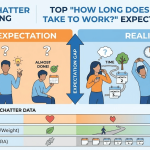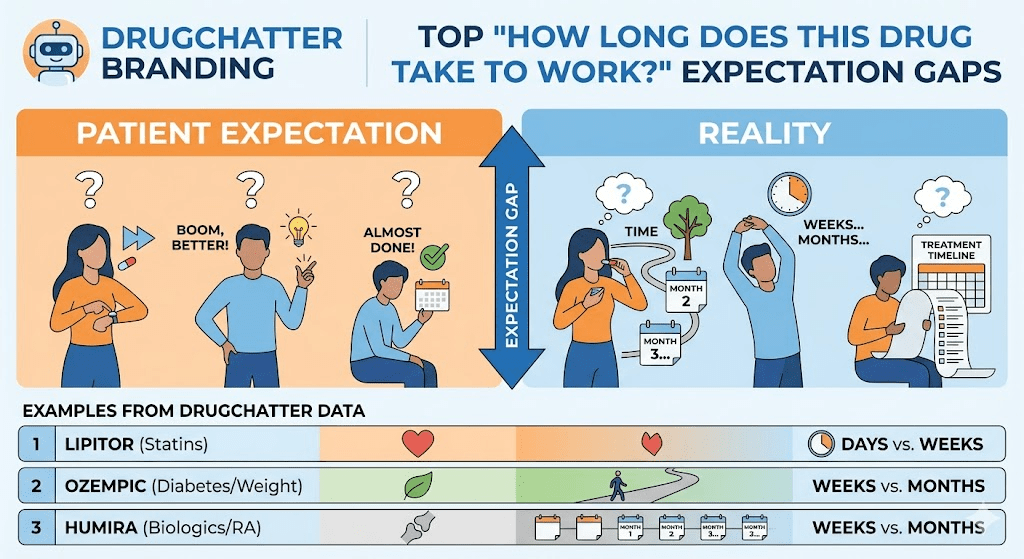
There are two kinds of patients: the ones who want a stopwatch, and the ones who want a miracle. Unfortunately, most medicines give you neither—at least not on the timeline your brain (or your group chat) is hoping for.
Below are the most common expectation gaps I see around the question, “How long does this drug take to work?”—the places where people assume the clock starts at the first pill, when in reality the clock is measuring something else: metabolism, distribution, target engagement, and—sometimes—how long it takes your body to show the change.
1) “It’s a daily pill—so why isn’t it instant?” (Lipitor and the impatience tax)
With statins like Lipitor (atorvastatin), people often expect immediate, dramatic changes. But cholesterol lowering is not a switch you flip; it’s a process. Even when the drug is doing its job, the visible “maximum effect” can take time.
If you’re wondering about the timeline to peak impact, start here: How long until lipitor’s maximum effect?
2) “Minimum dose” sounds like “minimum time” (but dose and timing aren’t the same story)
Another classic gap: people assume that if a dose is “minimum,” it will also be “minimum wait.” In reality, effectiveness and onset are related but not identical. The body’s response curve doesn’t care about your intuition.
For how minimum dosing compares with higher doses: How does lipitor’s minimum dose differ in effectiveness from higher doses?
3) “Food and drinks” as a timing shortcut (Lipitor + fruit juice/grapefruit/wine)
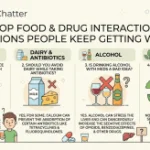
People often treat dietary interactions like they’re just “extra variables,” when sometimes they’re the difference between predictable exposure and unpredictable exposure. That can shift how reliably you get the effect you expected.
- Does lipitor’s effectiveness vary with any fruit juice?
- What’s the recommended lipitor dosage with grapefruit juice?
- How does red wine’s effect compare to lipitor’s potency?
- What’s the impact of combining lipitor and white wine for ldl?
- Does alcohol consumption decrease lipitor’s cholesterol lowering effectiveness?
4) “If it’s working, I should feel it” (but many drugs don’t give you a sensation)
Some medications lower numbers (LDL, inflammatory markers, viral load) without giving you a “you’re cured” feeling. That’s where expectation gaps breed: people stop early, skip doses, or assume failure because they can’t feel progress.
Even with Lipitor, side effects and perceived changes can mislead. If you’re trying to understand how outcomes and experience line up, these questions are a useful reality check:
- How do lipitor’s side effects differ from generic atorvastatin?
- What’s the impact of lipitor on ssri treated patients?
5) “How long to reverse damage?” (Lipitor and the difference between repair and recovery)
When people ask about “how long it takes to reverse” something, they’re often mixing two timelines: (1) how fast the drug stops the harm and (2) how fast the body repairs the injury. Those are not the same.
If you’re dealing with liver-damage concerns, here’s the expectation-gap question directly: How long does it take to reverse liver damage caused by lipitor?
6) “Generic” doesn’t mean “same experience, same day” (and sometimes it’s about access, not biology)
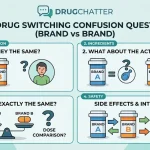
People hear “generic” and assume it will behave exactly like the brand in every practical way. But even when the active ingredient is the same, real-world factors—formulation, absorption, and how quickly you can actually start—can change the timeline you experience.
7) “Duration of action” vs “time to noticeable effect” (Lyumjev as a timing example)
Some drugs are engineered to act quickly, but “quick” still has a curve. And “duration of action” is not always the same as “when you’ll feel the benefit.”
For a clean example of how people should think about timing: What’s lyumjev’s duration of action?
8) “Side effects changed my schedule” (when tolerability becomes the timeline)
Sometimes the reason you don’t get the effect on your preferred schedule isn’t that the drug is slow—it’s that you had to slow down. Side effects can force dose changes, which changes the timeline of benefit.
See how this plays out with: How did lurbinectedin’s side effects alter dosage scheduling?
9) “I took it—so why didn’t it work?” (the interaction gap)
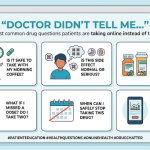
Drug timing expectations often collapse when interactions enter the picture. People assume the pill is the whole story; the body’s other inputs (other meds, supplements, alcohol, timing) can change exposure and effect.
- Do i need a doctor’s approval for lipitor and torsemide combination?
- Can you take lyrica with hydrocodone?
- Can i take ansaid with ssri?
- I took aspirin and ibuprofen together reddit?
10) The “maximum effect” trap: peak benefit isn’t the first day
Even when a drug starts working early, the maximum effect is often later—sometimes substantially later. This is the expectation gap that turns “not yet” into “it failed.”
For Lipitor specifically, the peak-timing question is here: How long until lipitor’s maximum effect?
Bottom line
When you ask “how long until it works,” you’re really asking four questions at once: when the drug reaches the target, when the body responds, when you can measure the change, and when you can safely adjust expectations. The fastest way to reduce disappointment is to align your timeline with the drug’s biology—not with your calendar.
If you want, send me a smaller set of the specific drugs you care about most, and I’ll turn the relevant expectation gaps into a tighter “what to expect, when” checklist.