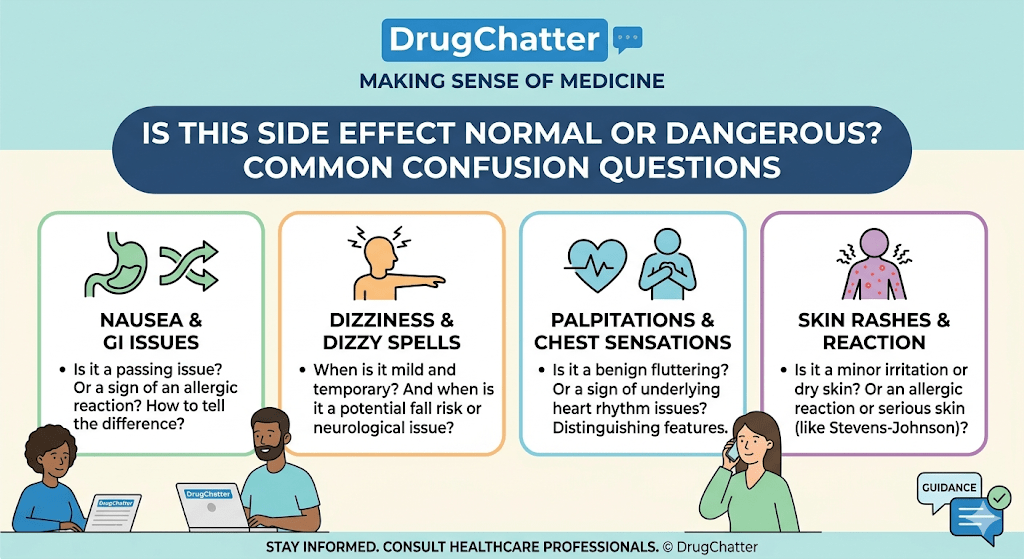
The Side-Effect Panic Button: When “Is This Normal?” Turns Into “Is This Dangerous?”
There are two kinds of questions that show up again and again in medicine: the ones that are basically “is […]
There are two kinds of questions that show up again and again in medicine: the ones that are basically “is […]
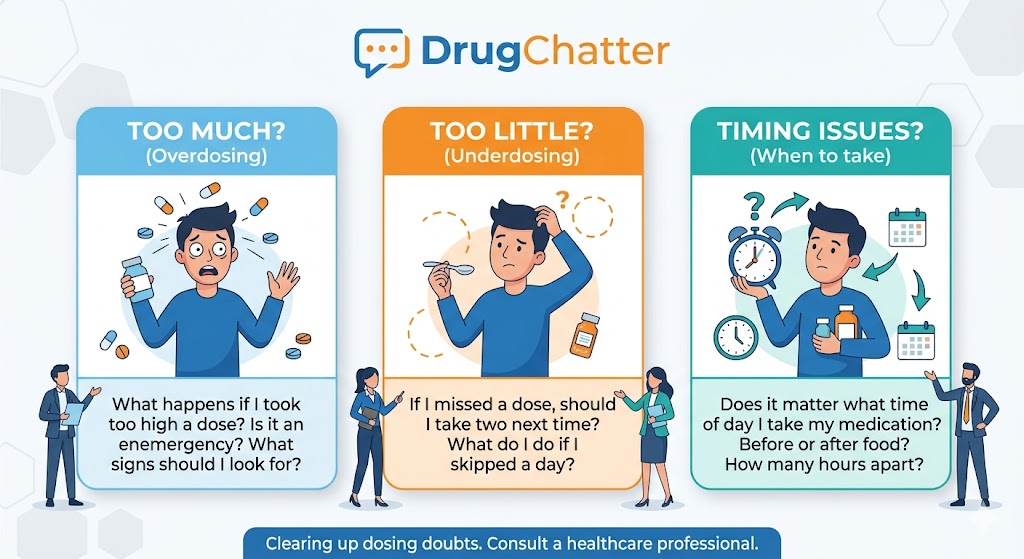
Every so often, a patient (or a caregiver) does the math the way humans do: if a dose is good,
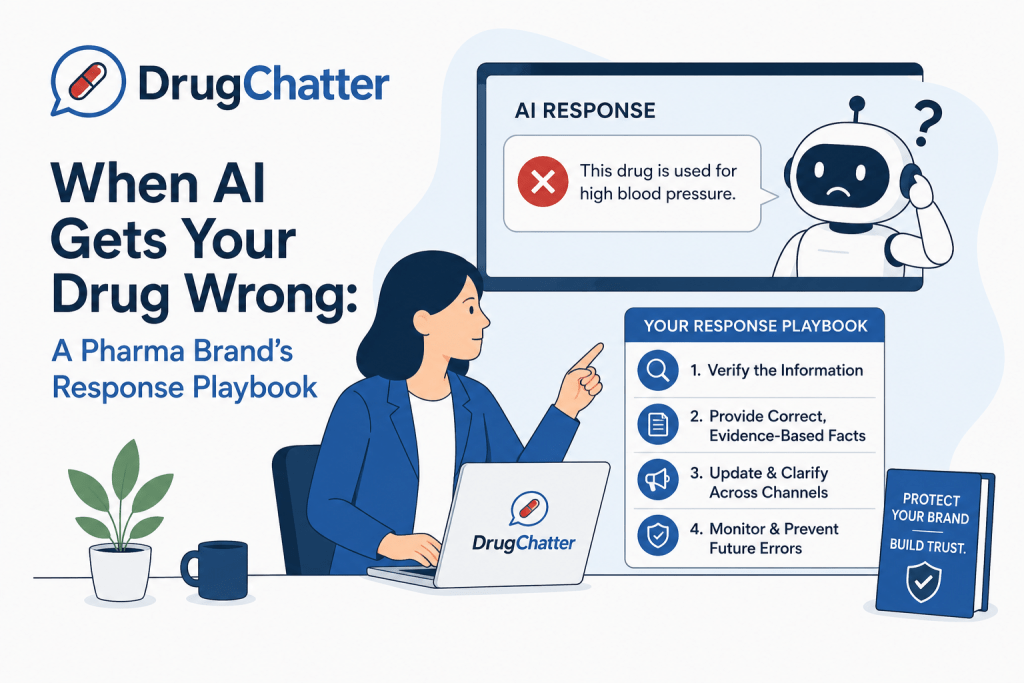
A patient asks ChatGPT whether her new prescription interacts with the blood pressure medication she has taken for a decade.
There are two kinds of medication questions: the ones people ask because they’re curious, and the ones people ask because
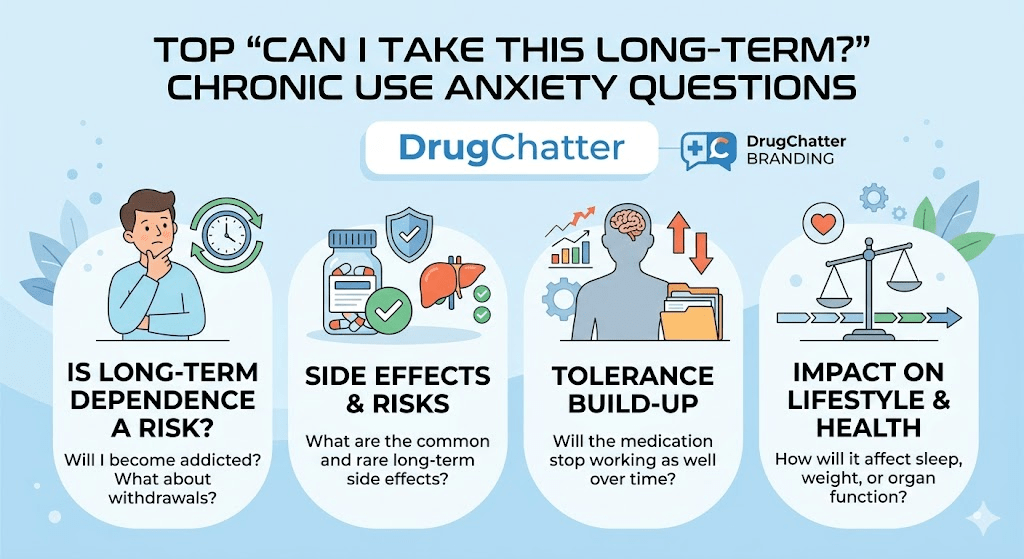
There’s a particular kind of worry that shows up when a prescription stops being a short-term fix and starts looking
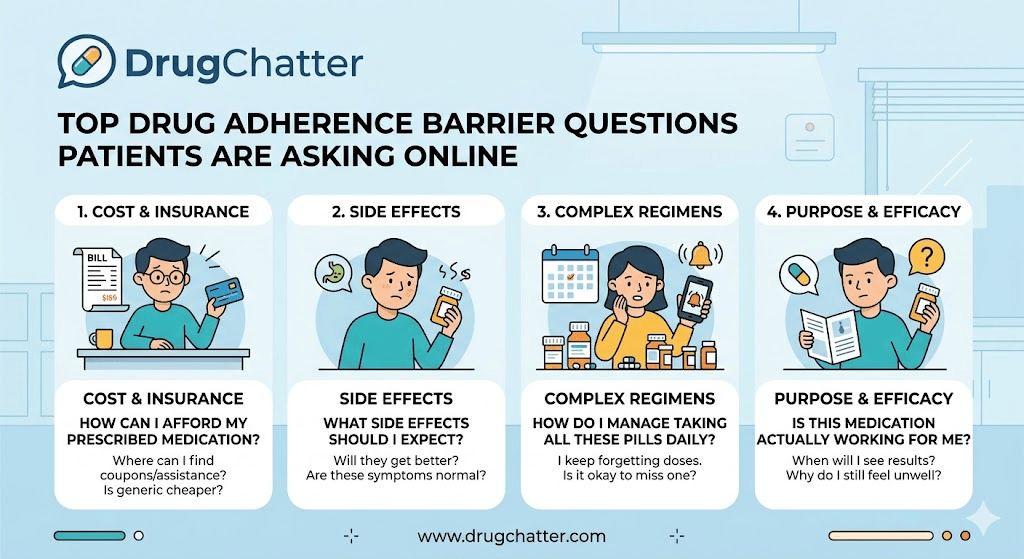
There’s a particular kind of anxiety that shows up in online medicine questions: not the fear of the disease, but
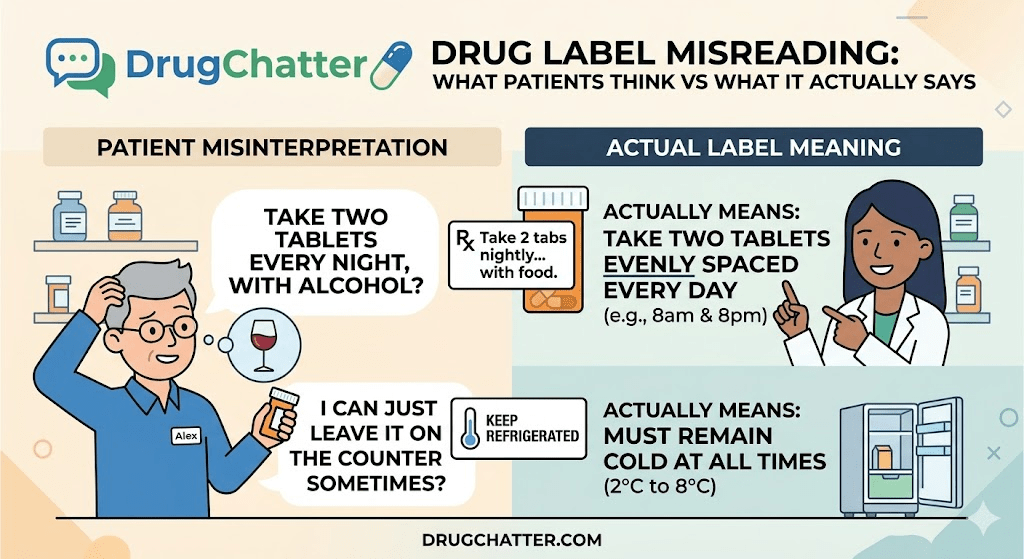
Somewhere between the pharmacy counter and the kitchen table, a drug label can turn into a Rorschach test. Patients don’t
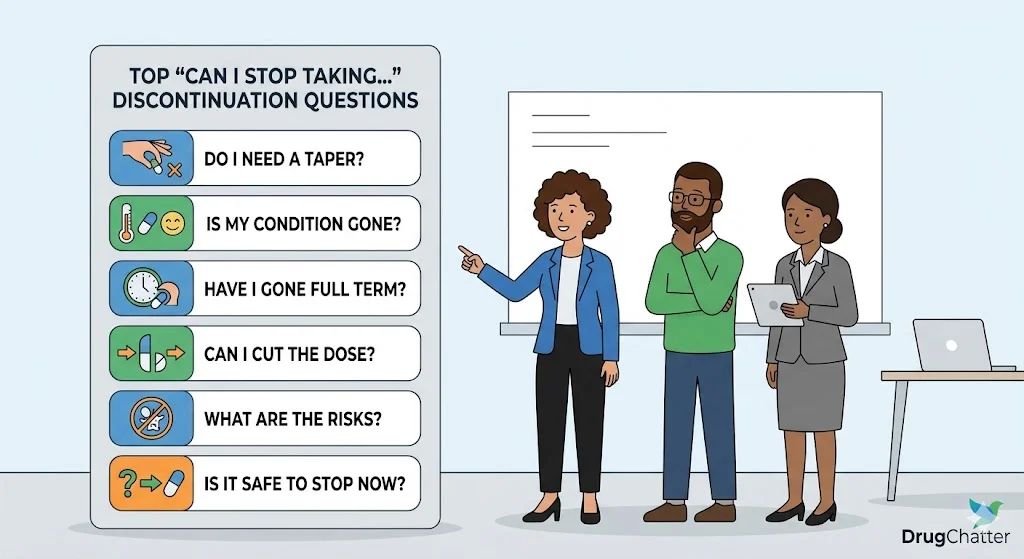
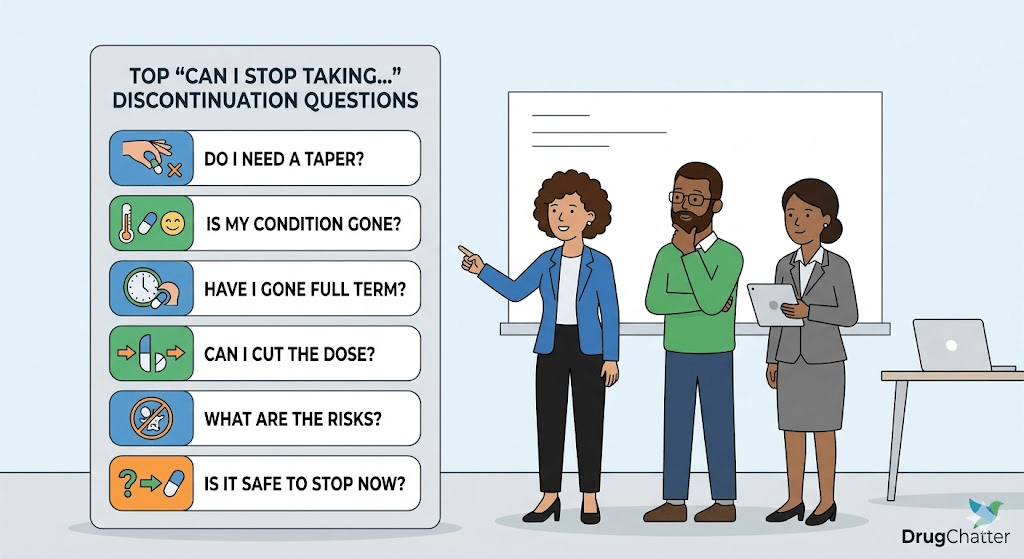
There are only so many ways a question can start: “Can I stop taking…”—and then the name of a drug
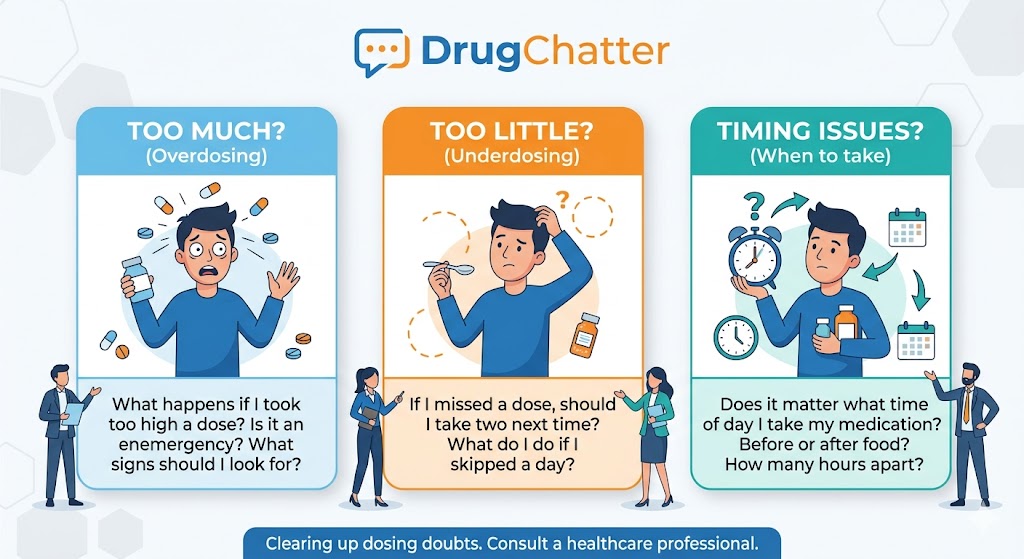
There are two kinds of medication mistakes: the ones that happen because the label is complicated, and the ones that
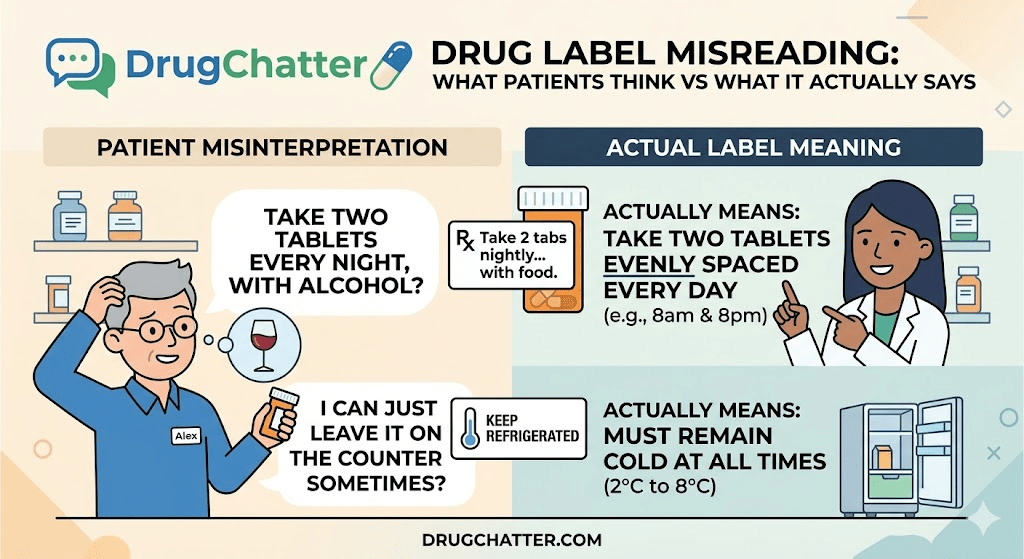
Here’s a recurring scene in clinics and pharmacies: someone reads their prescription label, nods along with a meaning that feels
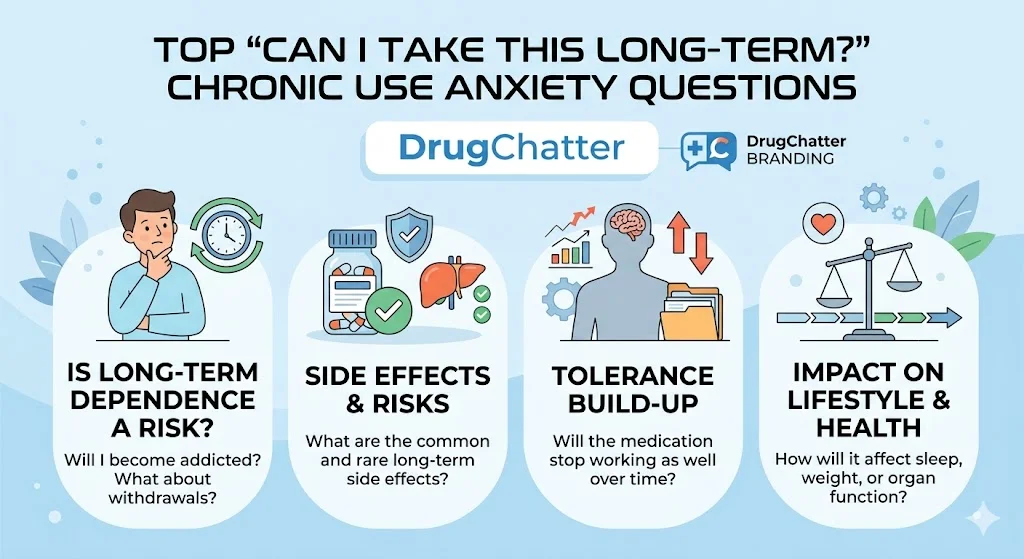
There’s a special kind of dread that comes with a prescription that’s framed like a lifestyle choice. You don’t just
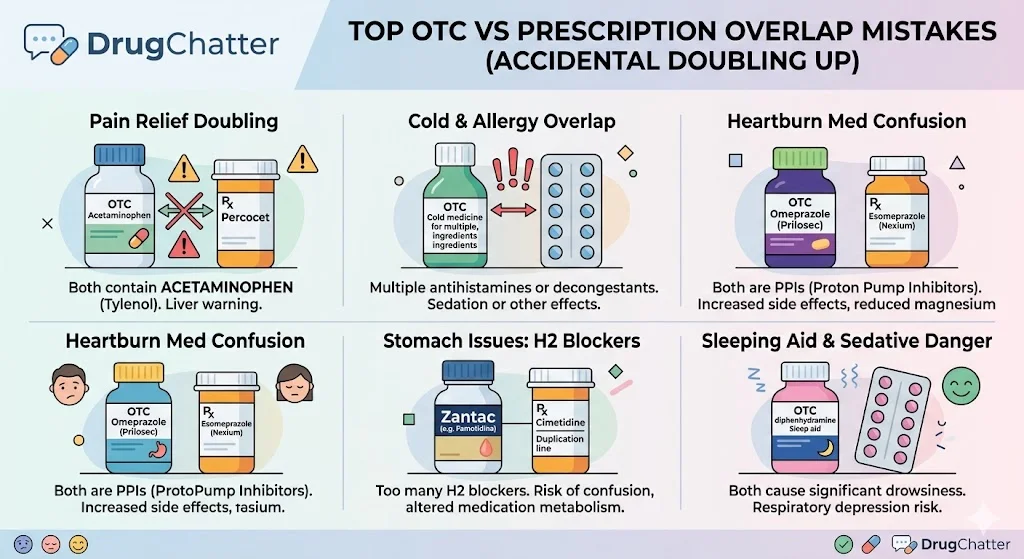
There’s a special kind of medication mistake that doesn’t feel like a mistake at all. It feels like “being thorough.”
Sign in or create a free account to read this DrugChatter article