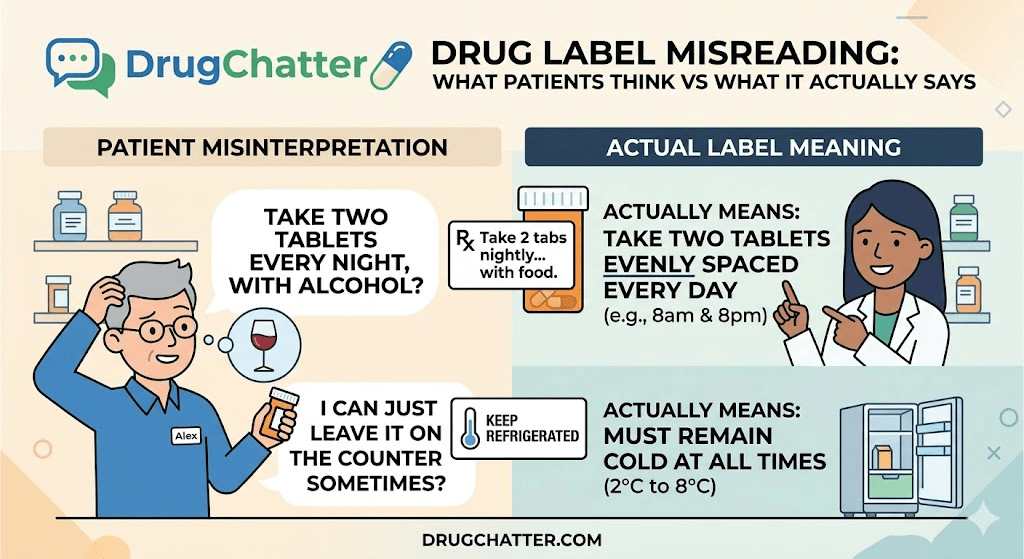
The Most Common “It Says What?” Moments on Drug Labels: When Patients Read the Fine Print Wrong
There are two kinds of medication confusion: the kind that comes from not knowing what a drug is, and the […]
There are two kinds of medication confusion: the kind that comes from not knowing what a drug is, and the […]
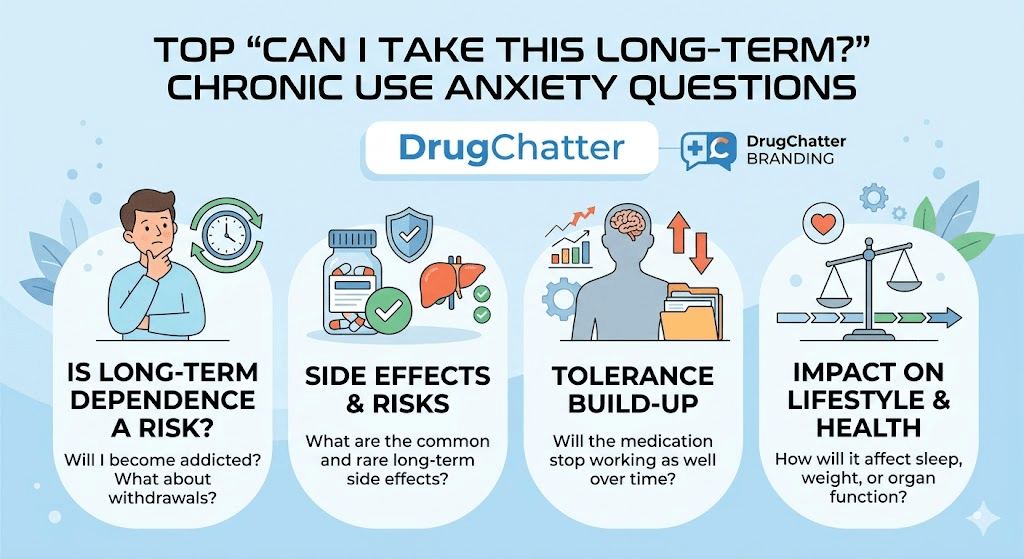
There’s a particular kind of dread that comes with chronic medication: the pill is small, the label is big, and
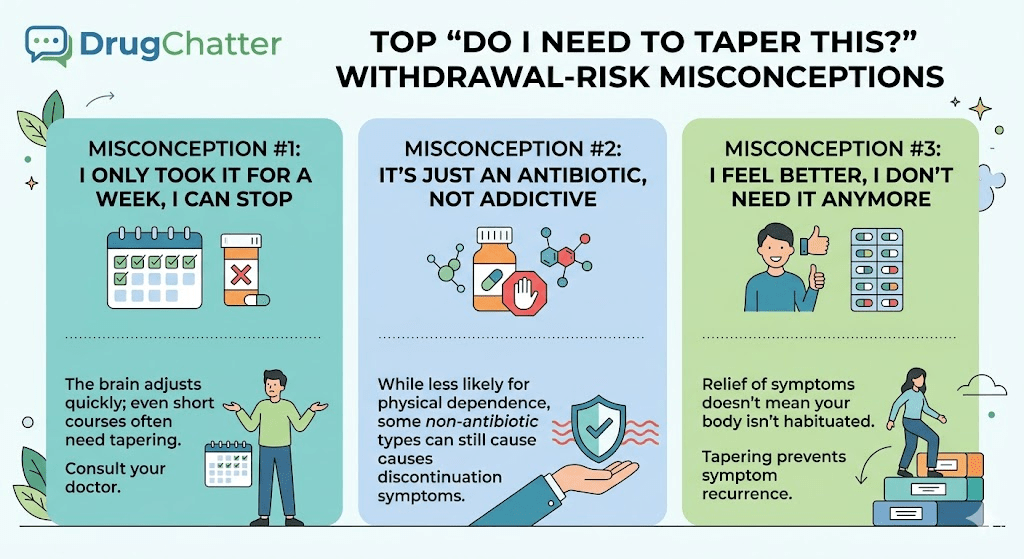
There are two kinds of people when it comes to stopping a medication: the ones who assume withdrawal is a
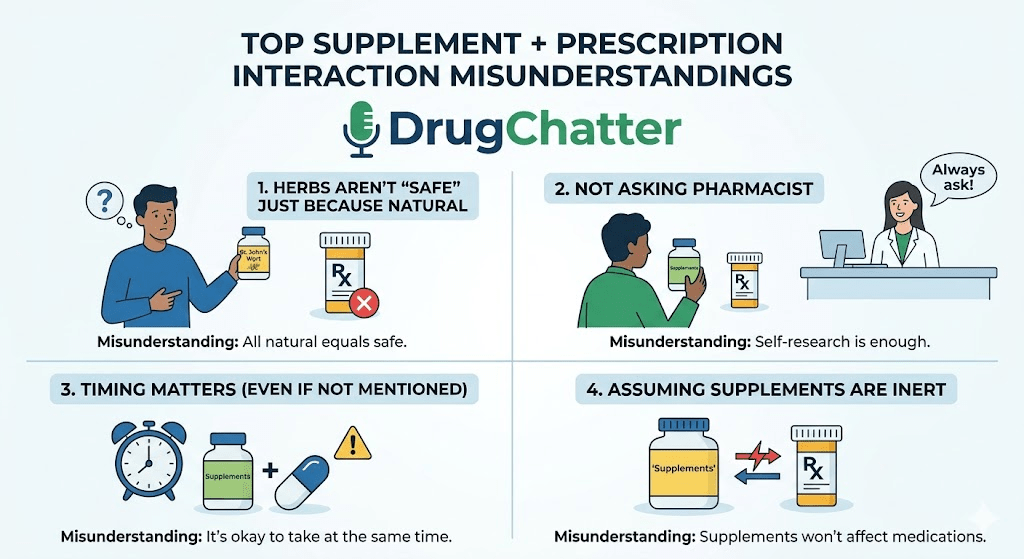
Top supplement + prescription interaction misunderstandings There’s a particular kind of confidence that shows up in the pharmacy aisle: the
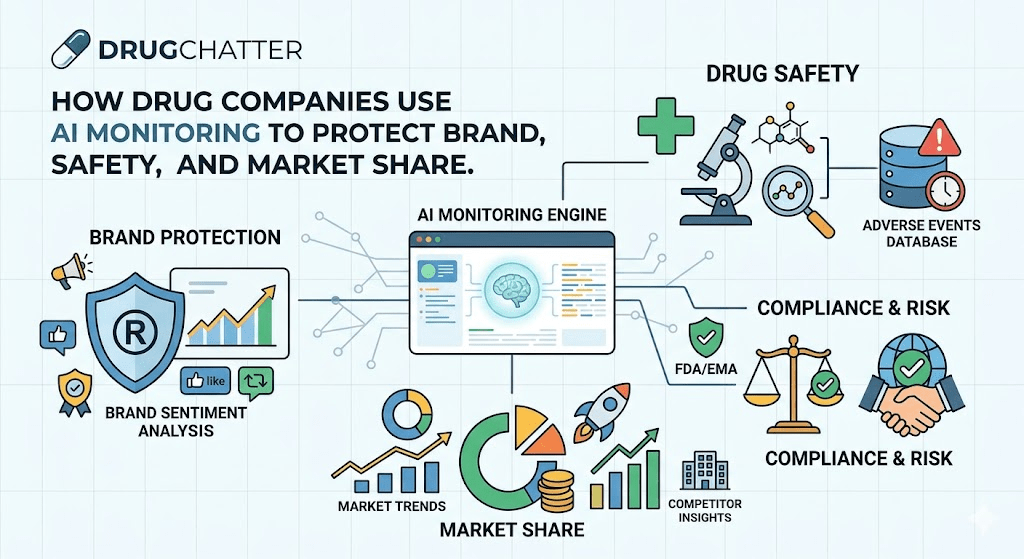
In 2023, a patient in a Reddit thread described asking ChatGPT about Ozempic dosing. The AI told her it was
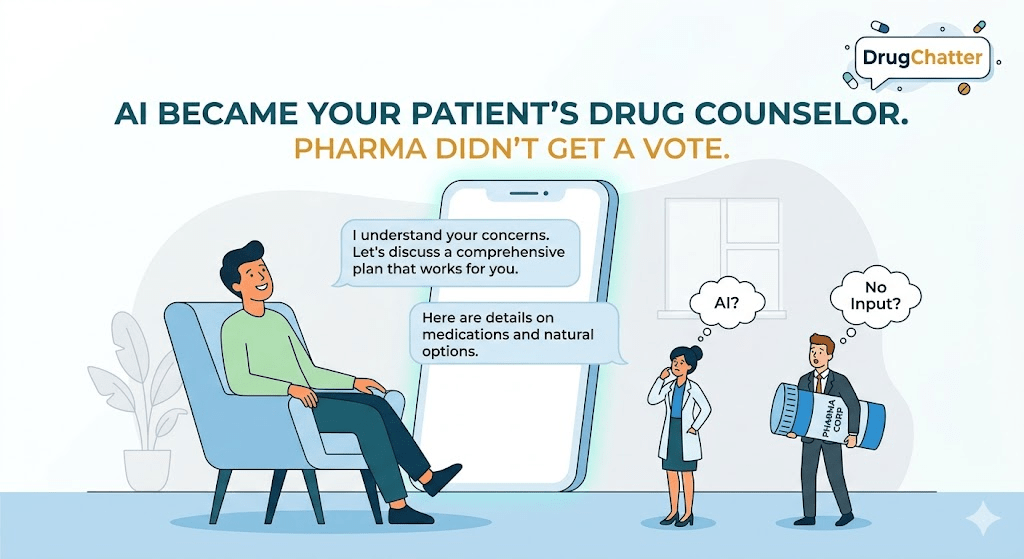
Somewhere between the formulary decision and the first filled prescription, a patient opens ChatGPT and asks: “Is Ozempic safe for
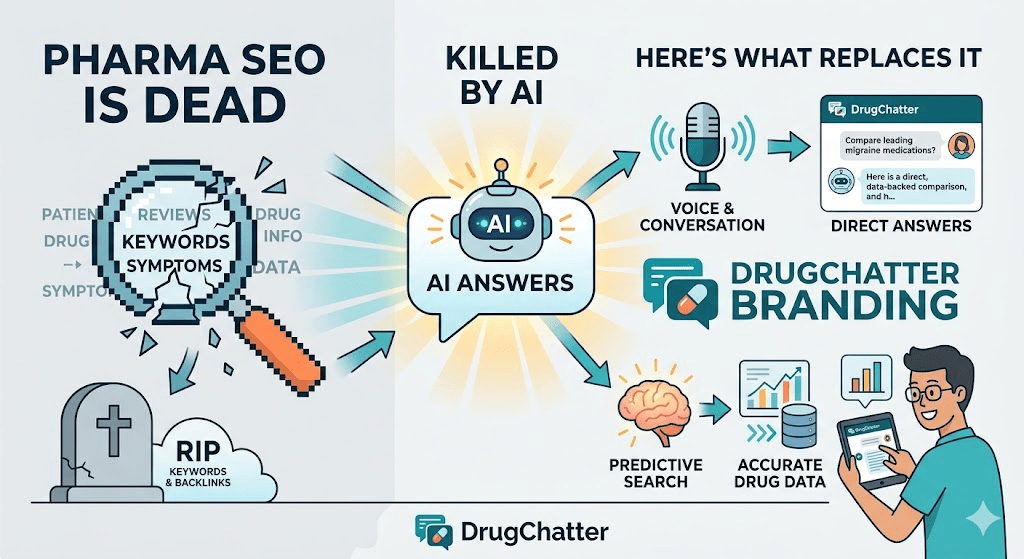
A physician types “best GLP-1 for weight loss” into ChatGPT. A patient asks Claude which SGLT2 inhibitor has the fewest
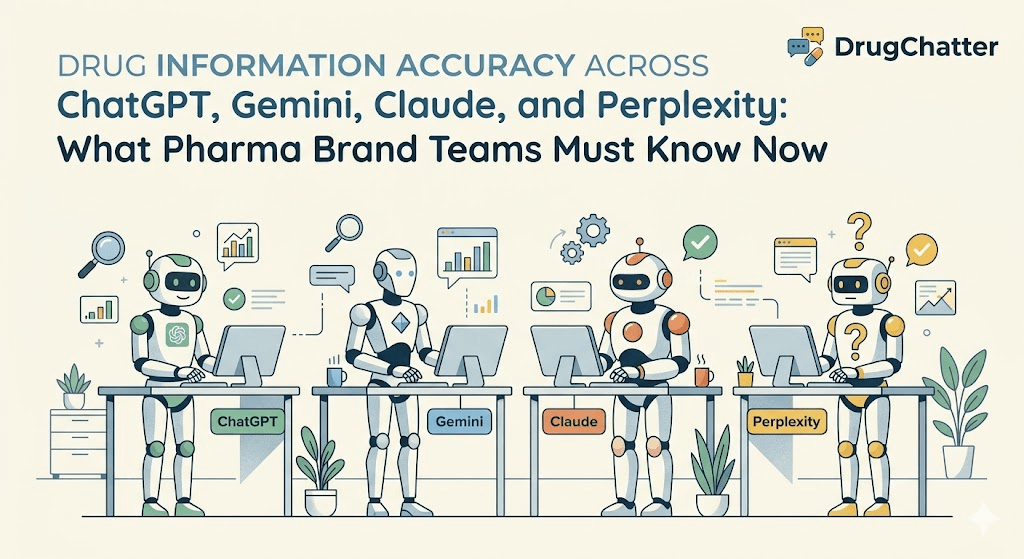
When a patient types ‘Can I take Ozempic if I have pancreatitis?’ into ChatGPT at 11 p.m., they are not
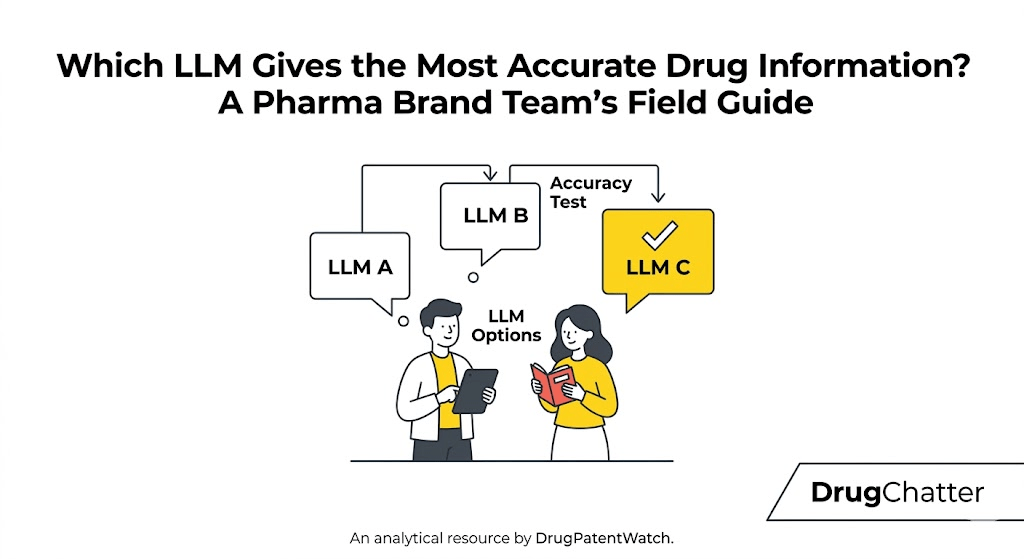
A patient types ‘Can I take Ozempic and metformin together?’ into ChatGPT. A physician asks Gemini about semaglutide dosing for
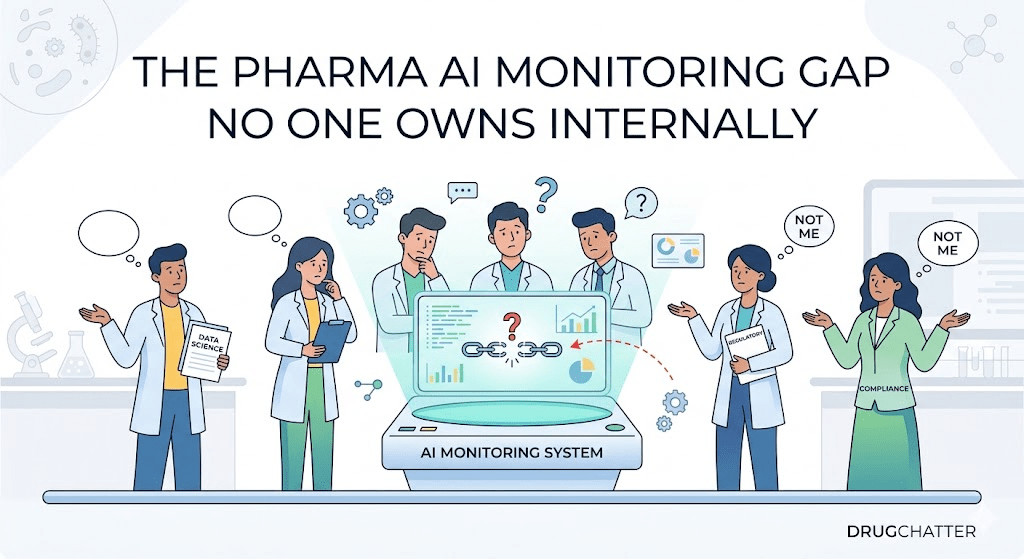
Somewhere between medical affairs, pharmacovigilance, digital marketing, and IT, there is a gap large enough to swallow a drug brand.
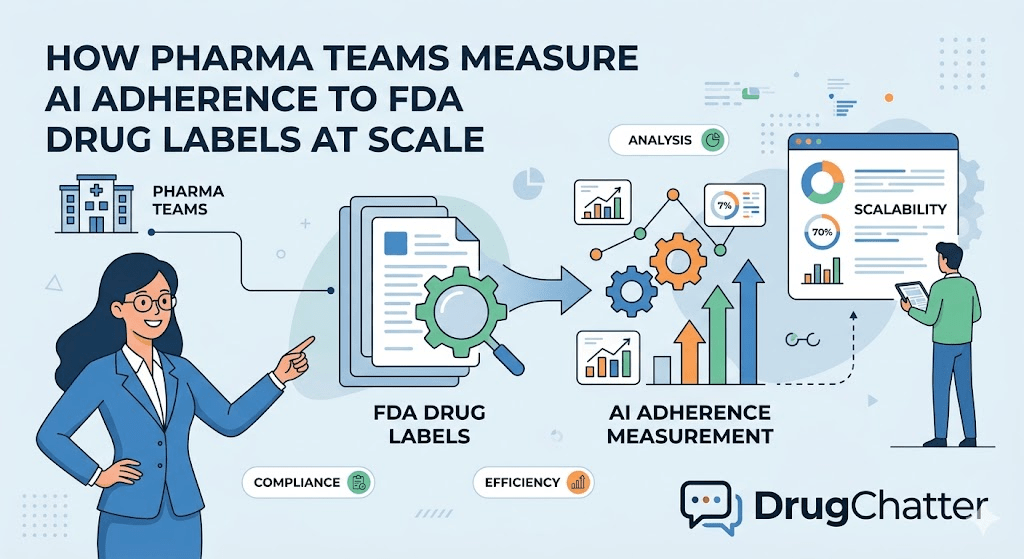
Last year, a patient asked ChatGPT whether it was safe to take semaglutide with a sulfonylurea. The model answered confidently.
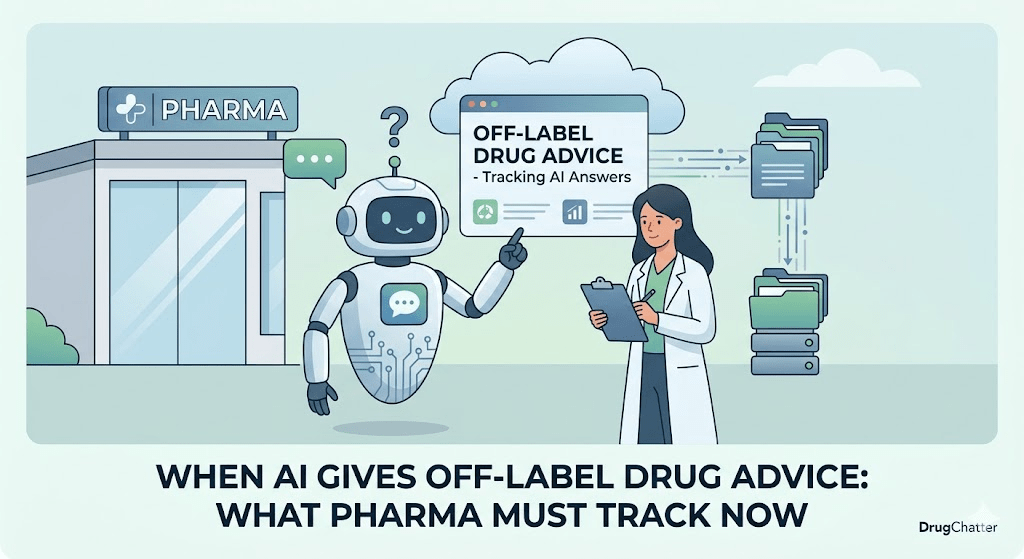
A patient asks ChatGPT whether their antidepressant can help with chronic pain. Another asks Gemini if a GLP-1 drug will
Sign in or create a free account to read this DrugChatter article