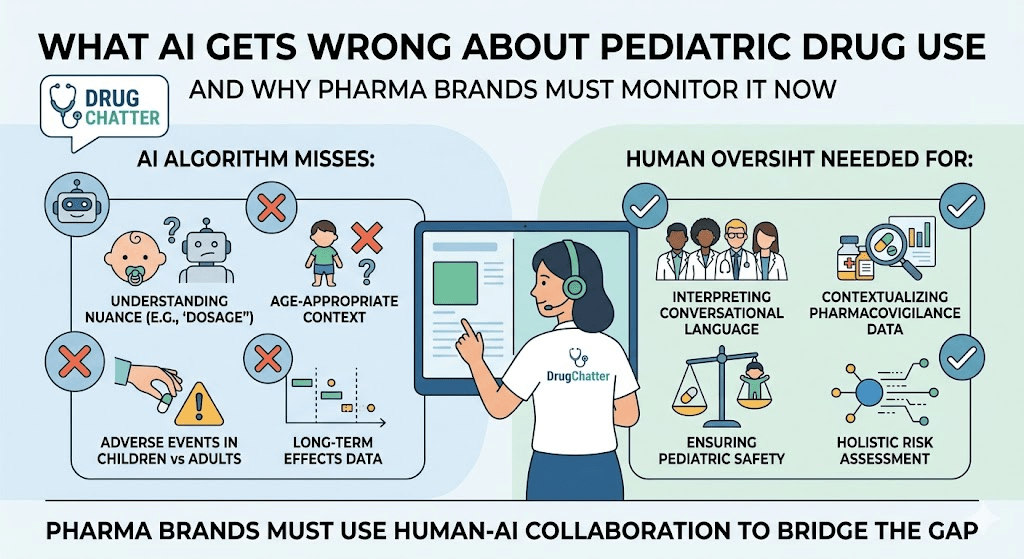
What AI Gets Wrong About Pediatric Drug Use — and Why Pharma Brands Must Monitor It Now
A parent in Texas asks ChatGPT how much ibuprofen to give her 18-month-old. ChatGPT returns a dose calculated for a […]
A parent in Texas asks ChatGPT how much ibuprofen to give her 18-month-old. ChatGPT returns a dose calculated for a […]
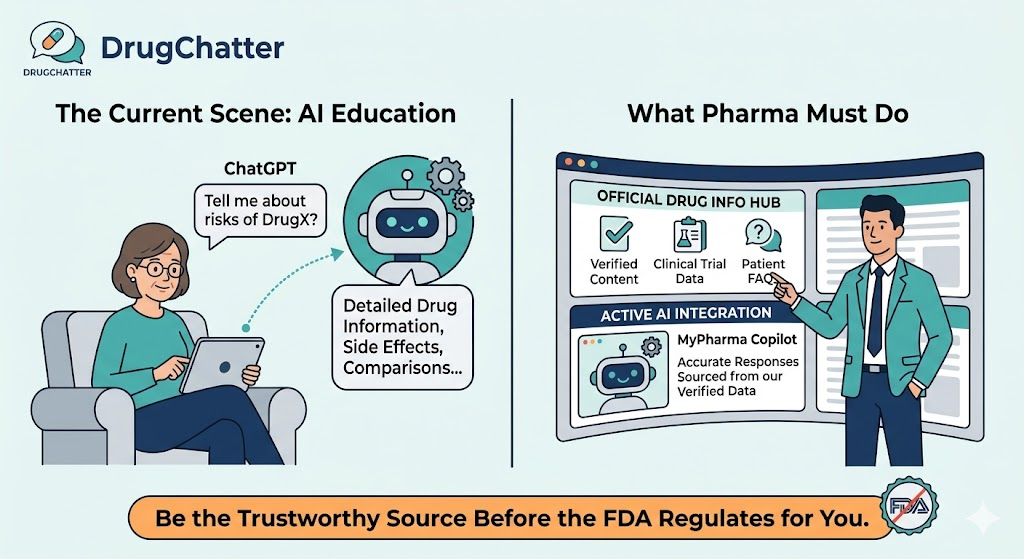
The shift happened without a product launch, without a press release, and without a single pharmaceutical company authorizing it. Sometime
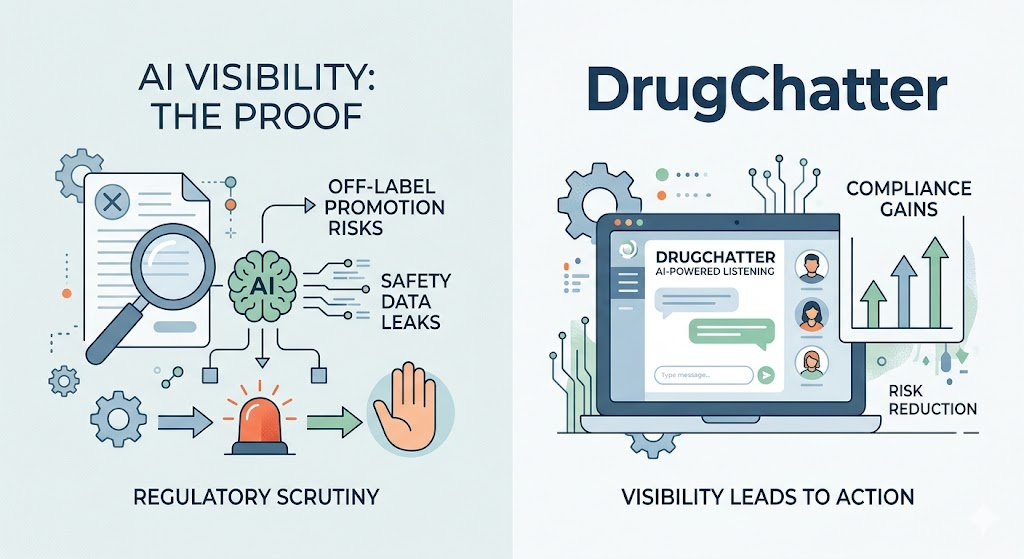
Walk into any pharmaceutical compliance team’s weekly meeting and you’ll find the same agenda items from the past decade: OPDP
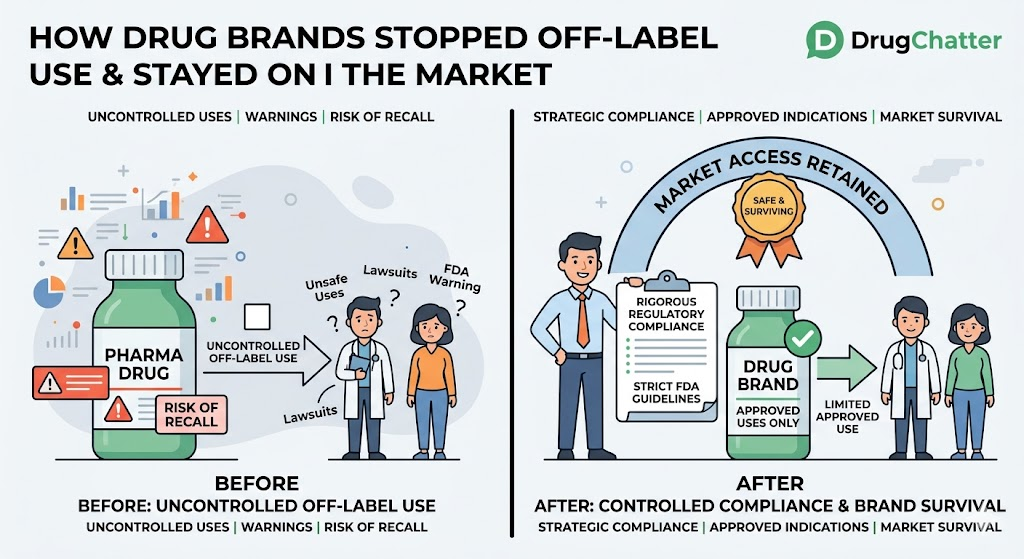
How drug brands fought off-label prescribing to survive: real FDA cases, litigation wins, and what AI monitoring means for pharmacovigilance
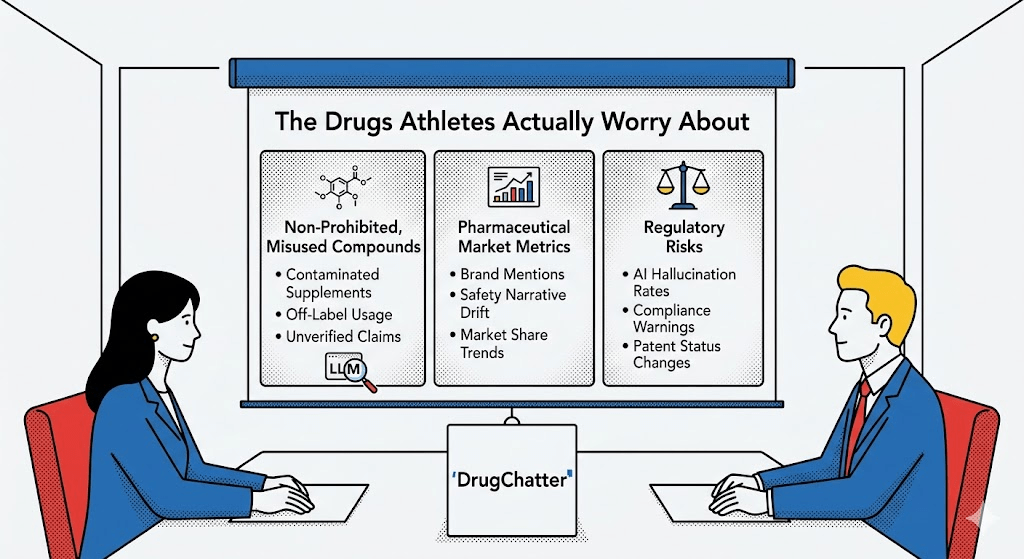
If you spend enough time around athletes, weekend warriors, or anyone optimizing “fitness,” you start to notice a recurring theme:
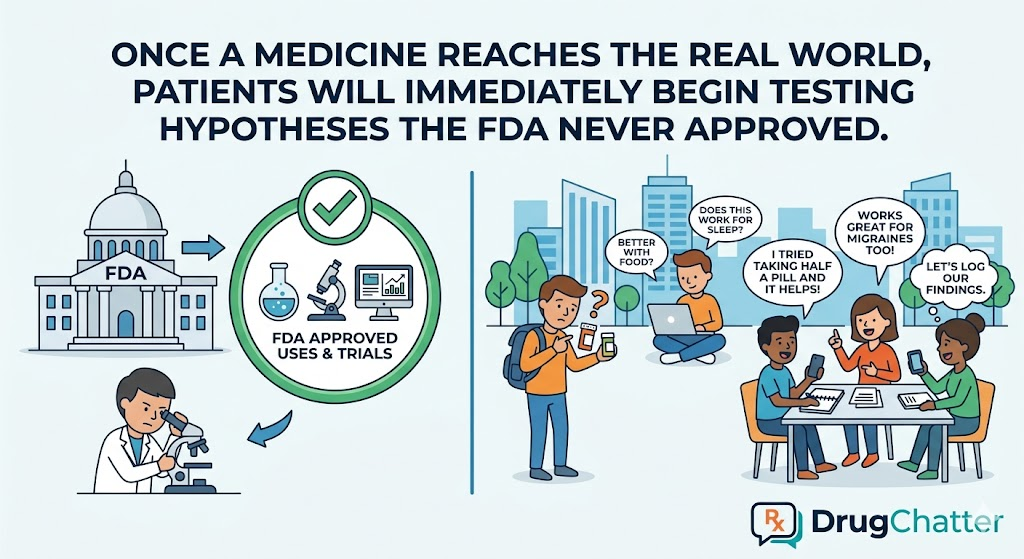
Why migraine drugs became weight-loss forums, cholesterol pills turned into food-interaction experiments, and cancer therapies spawned Reddit-scale crowdsourced medicine. There’s
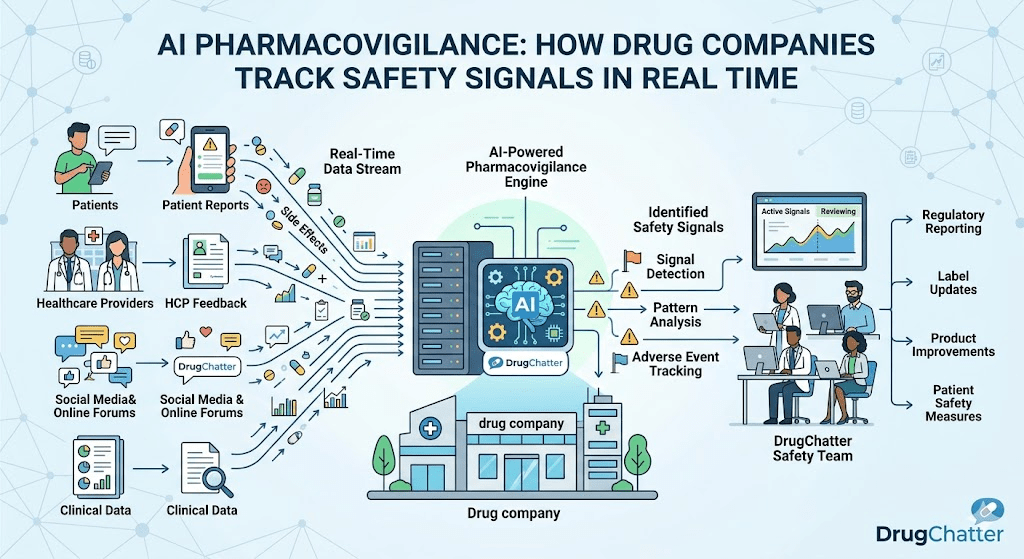
AI Pharmacovigilance: How Drug Companies Track Safety Signals Before Regulators Do The FDA receives roughly 2 million adverse event reports
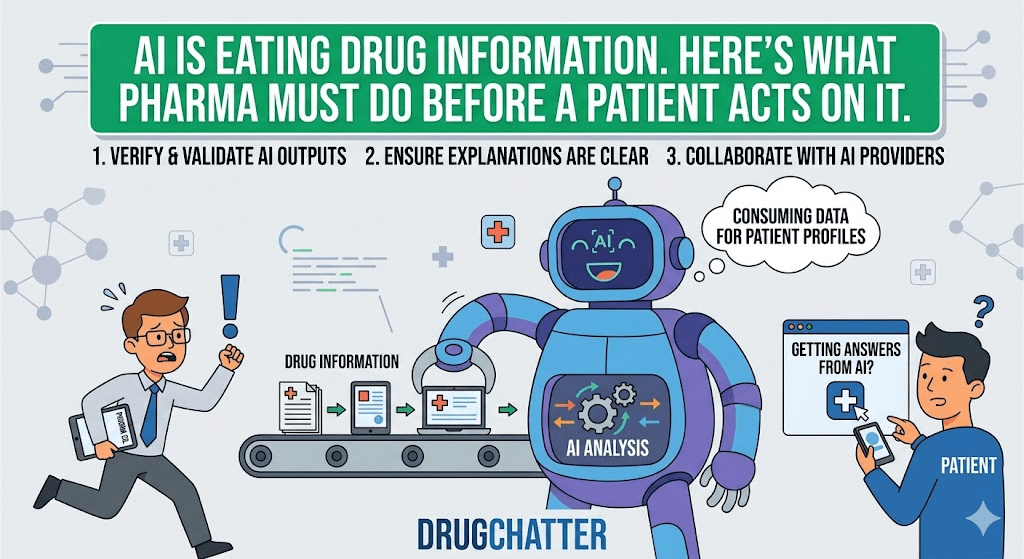
Chatbots now answer drug questions that once required a detail rep, a pharmacist, or a Medical Information call center. The
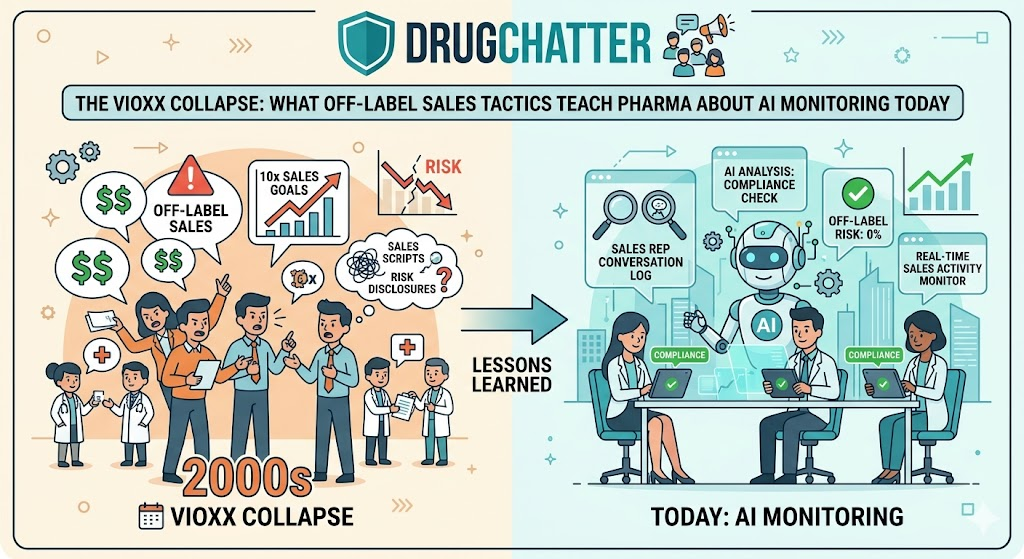
On September 30, 2004, Merck pulled Vioxx from every pharmacy shelf in the world. The withdrawal took less than 24
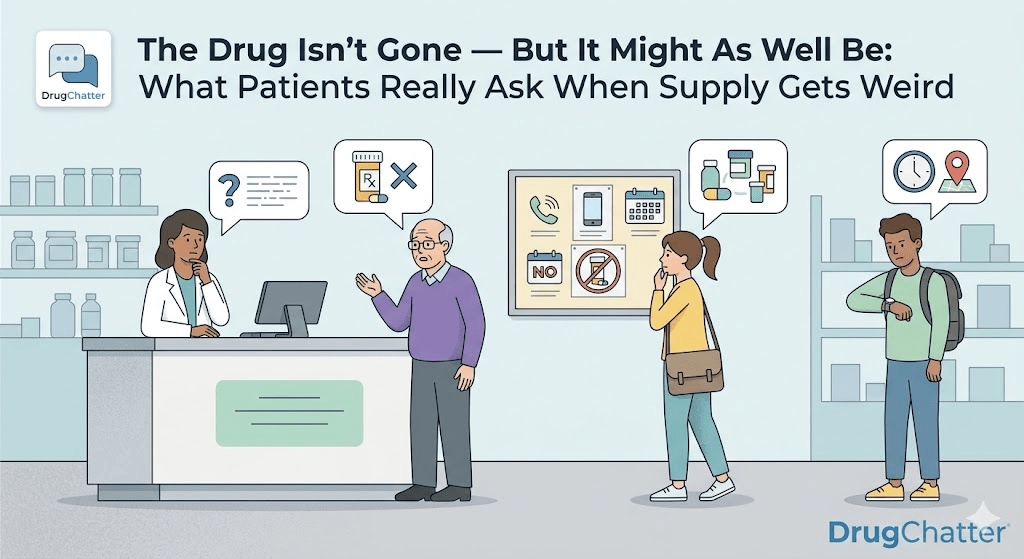
If you want to understand drug shortages, don’t start with FDA dashboards. Start with patient questions. They don’t say “supply
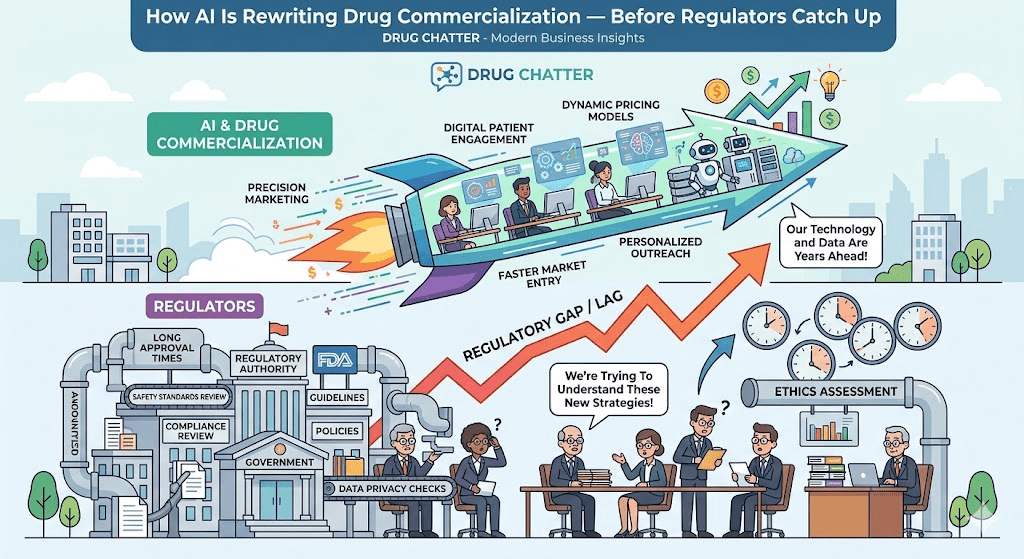
A look at the $50B opportunity reshaping how pharma companies launch, monitor, and defend their brands in the age of
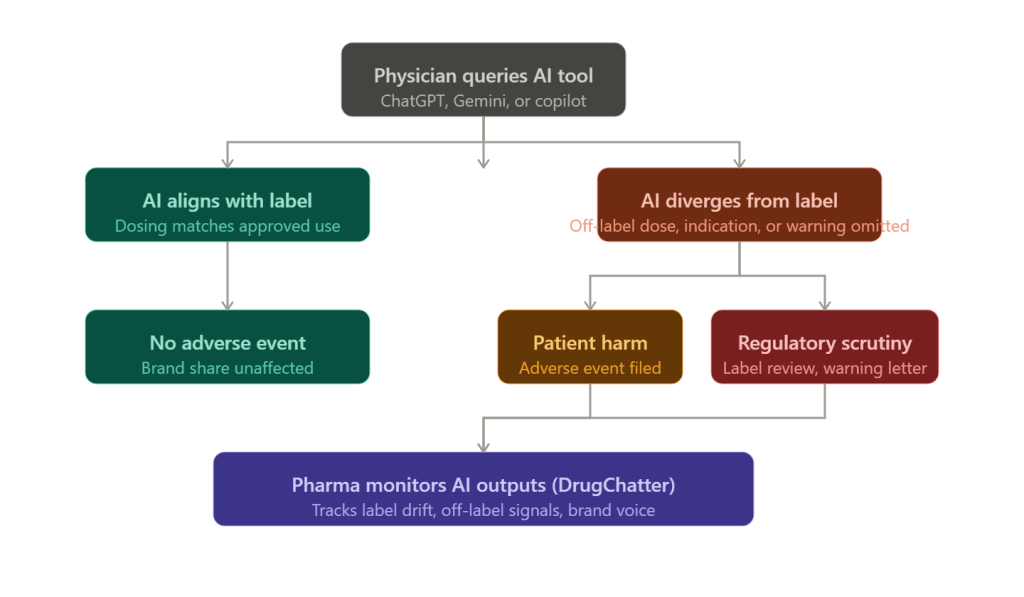
Physicians are increasingly asking AI chatbots how to dose drugs, manage contraindications, and choose between therapies. The AI answers. The
Sign in or create a free account to read this DrugChatter article