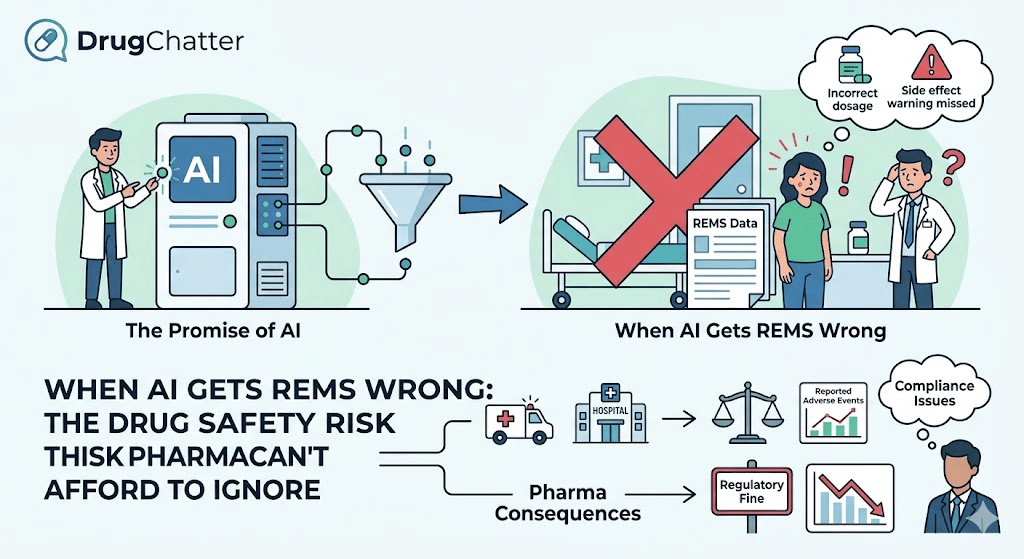
When AI Gets REMS Wrong: The Drug Safety Risk Pharma Can’t Afford to Ignore
A physician opens ChatGPT and types: ‘What are the prescribing requirements for isotretinoin?’ The model replies with a confident, readable […]
A physician opens ChatGPT and types: ‘What are the prescribing requirements for isotretinoin?’ The model replies with a confident, readable […]
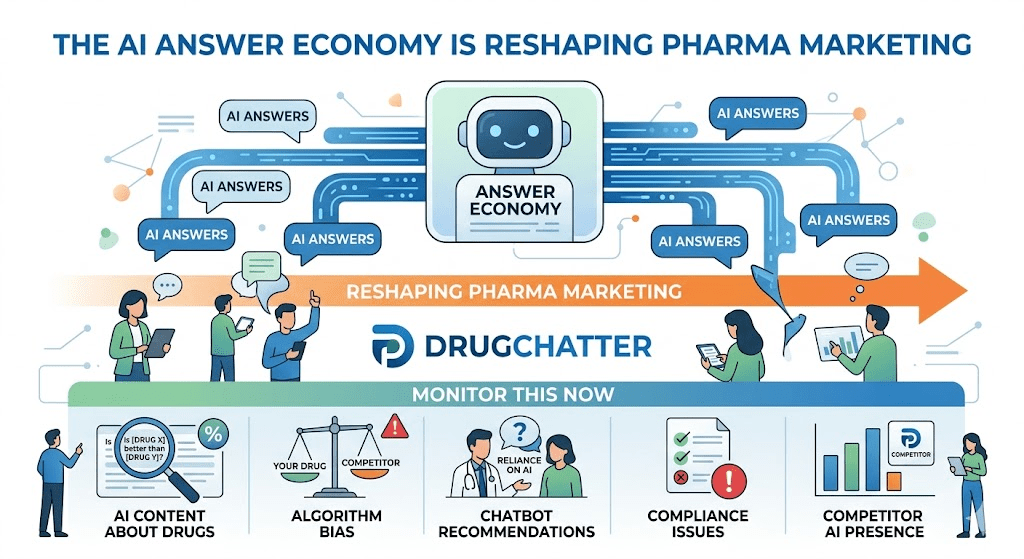
When a patient types “what’s the difference between Ozempic and Wegovy” into ChatGPT, they don’t get ten blue links. They
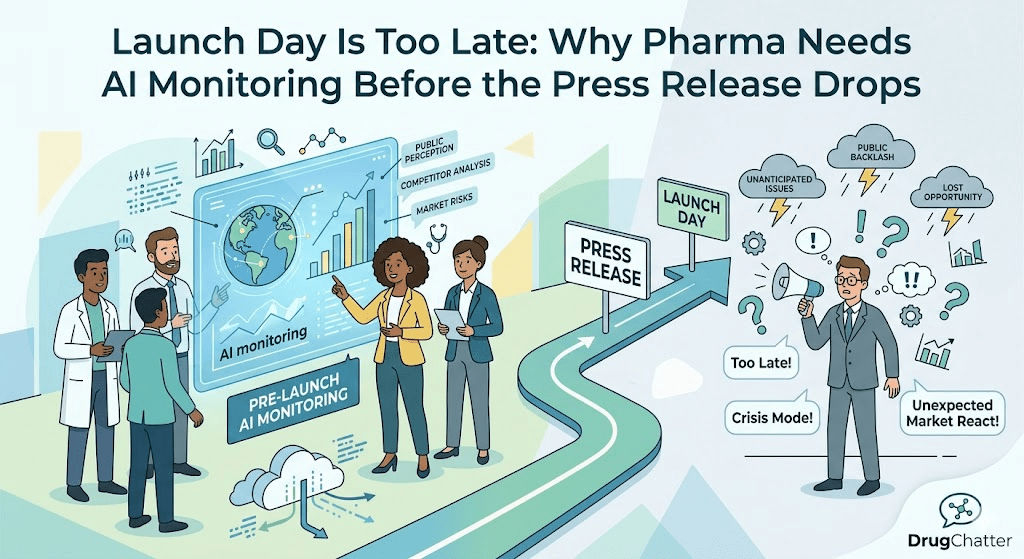
When Novo Nordisk’s semaglutide brand Ozempic became a cultural phenomenon in 2022, the company’s brand team faced a problem they
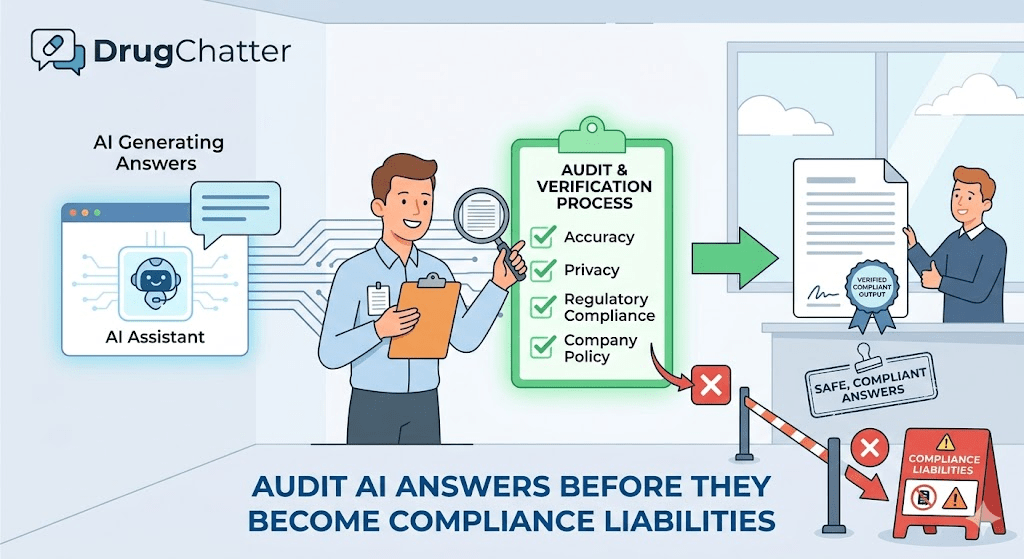
A physician asks ChatGPT about the maximum daily dose of apixaban before a procedure. The model responds with a figure
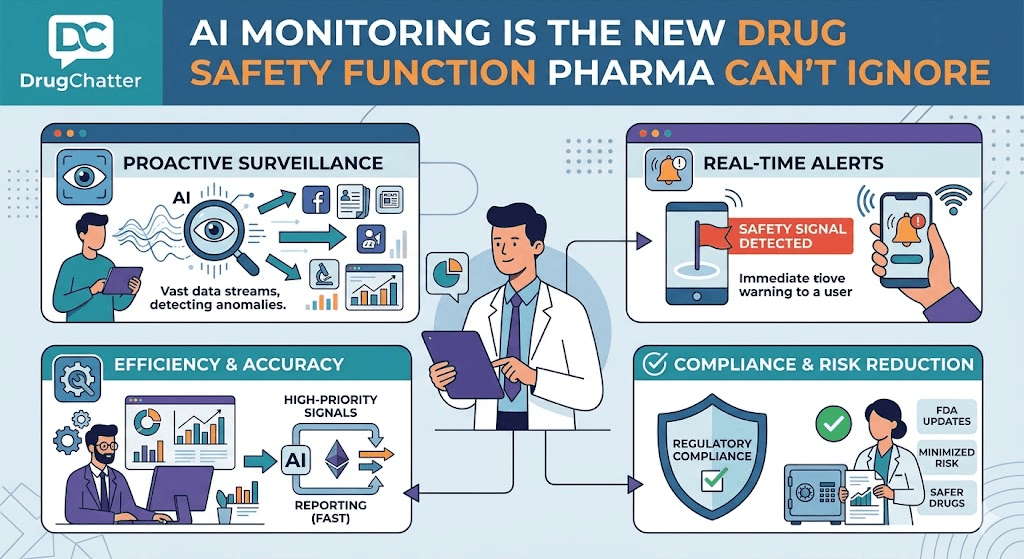
A patient types ‘Can I take Ozempic if I have pancreatitis?’ into ChatGPT. The model responds with an answer. That
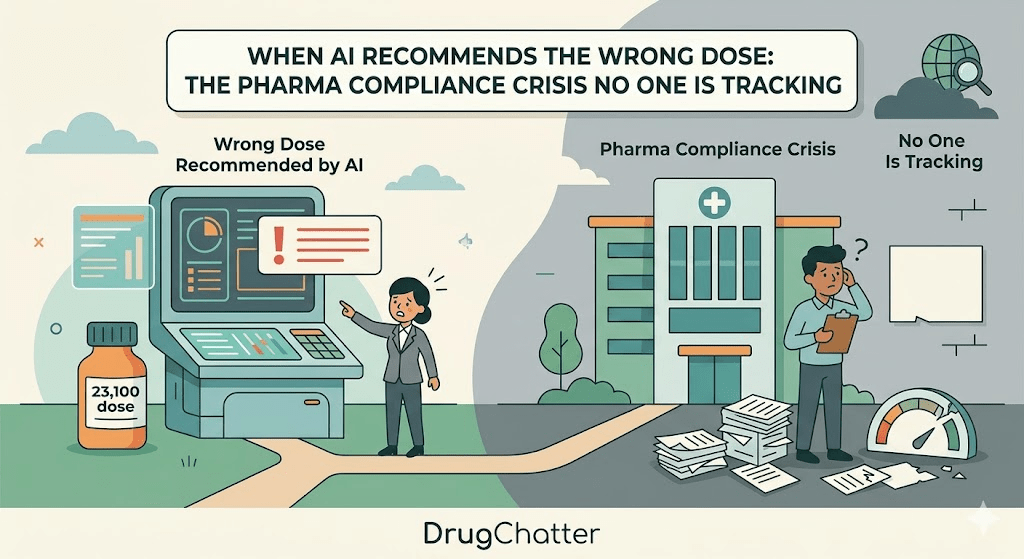
A patient asks ChatGPT how much metformin to take. The answer comes back confident, formatted like a clinical protocol, and
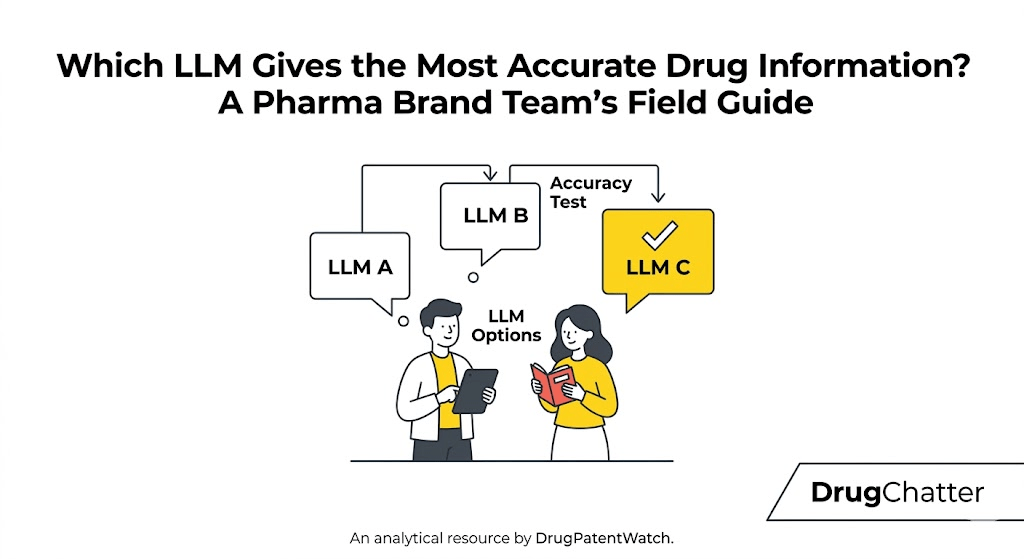
A patient types ‘Can I take Ozempic and metformin together?’ into ChatGPT. A physician asks Gemini about semaglutide dosing for
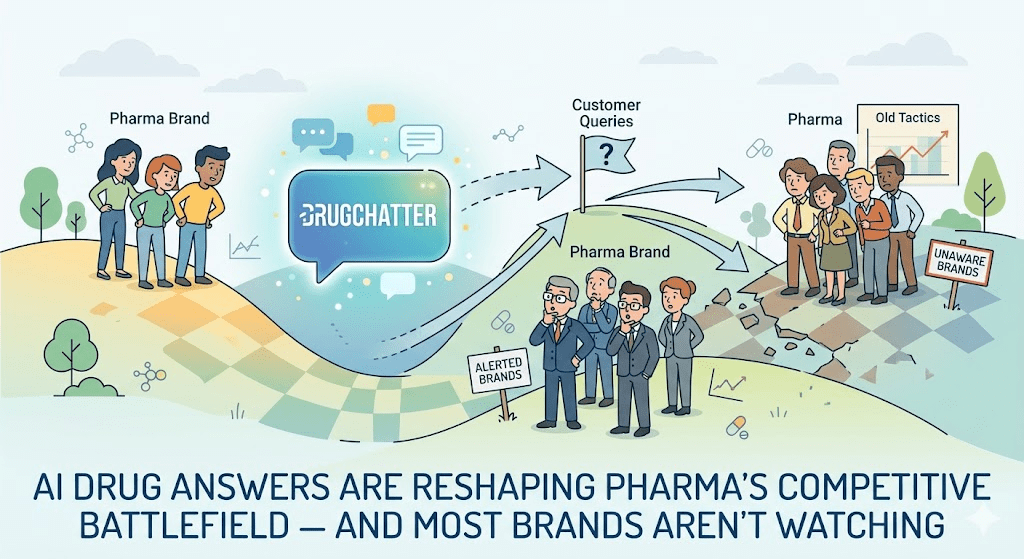
When a patient types ‘what’s the best GLP-1 for weight loss’ into ChatGPT, the answer they get back is not
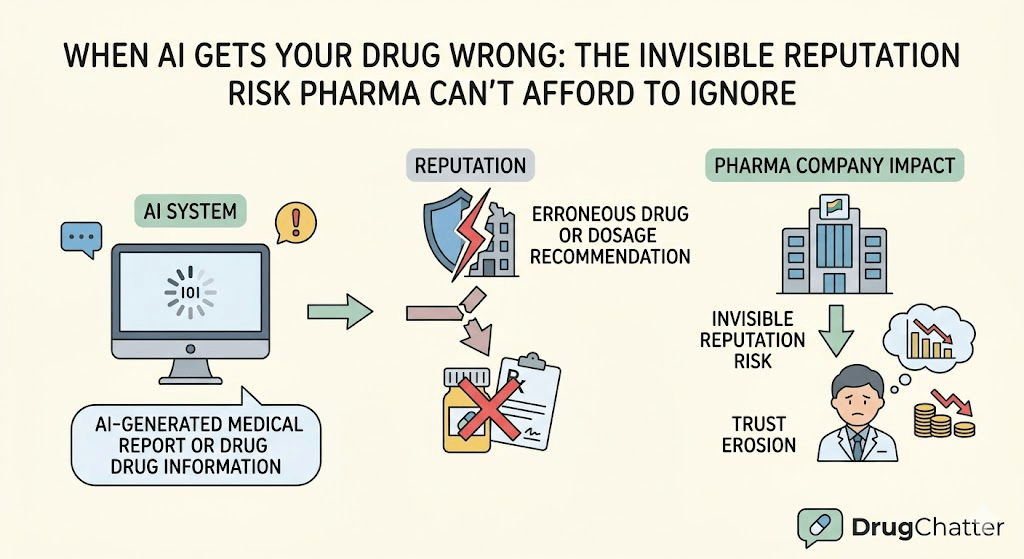
The FDA didn’t send a warning letter. No patient filed an adverse event report. No journalist called. But somewhere between
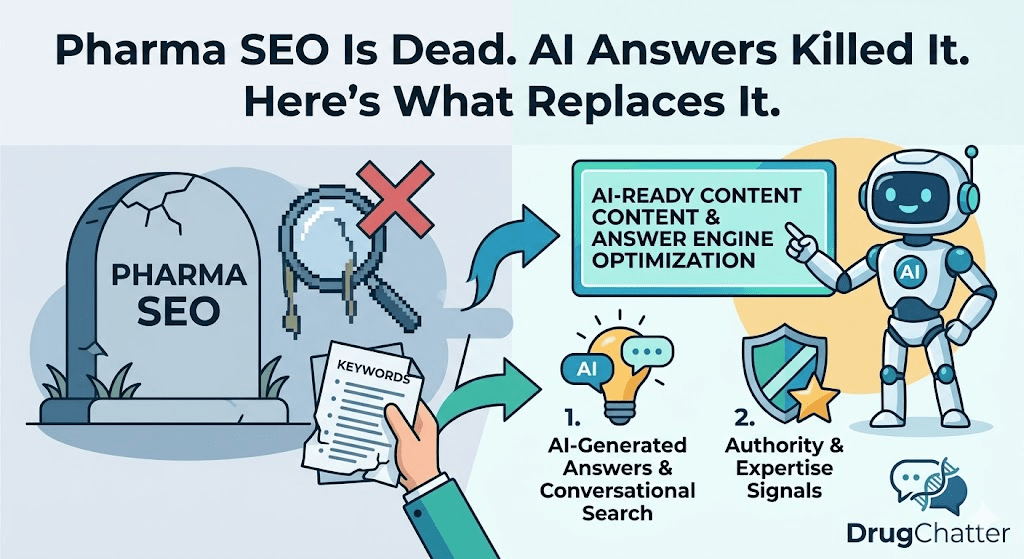
A patient asks ChatGPT how much metformin to take. The answer comes back confident, formatted like a clinical protocol, and
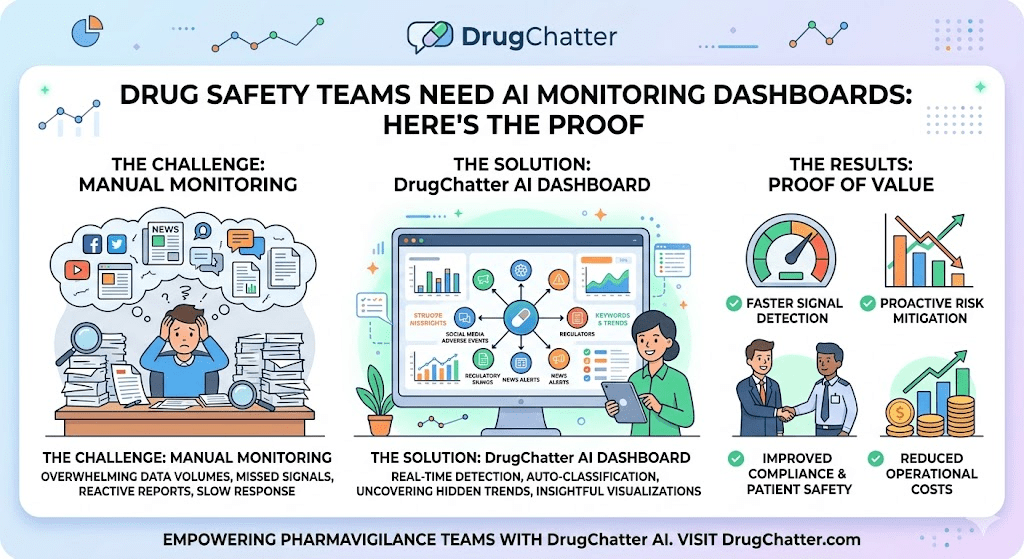
Somewhere right now, a patient is asking Perplexity whether their new prescription interacts with ibuprofen. Another is asking ChatGPT how
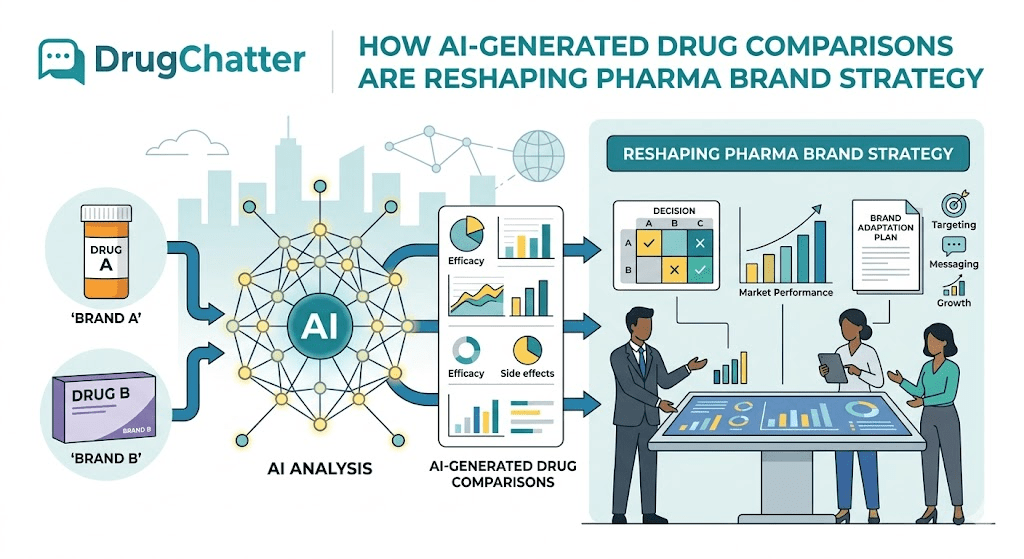
When a patient types ‘Ozempic vs. Wegovy: which is better for weight loss?’ into ChatGPT, they get an answer in
Get sharp analysis on AI-generated drug information, off-label curiosity, pharmacovigilance blind spots, and the shifting intersection of pharma, search, and large language models. No fluff. Just the signals that matter.