There are two kinds of medication mistakes: the dramatic ones, and the boring ones.
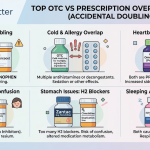
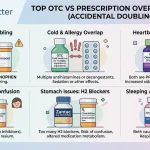
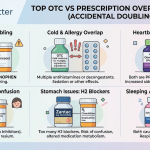
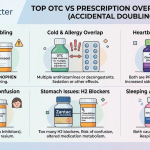
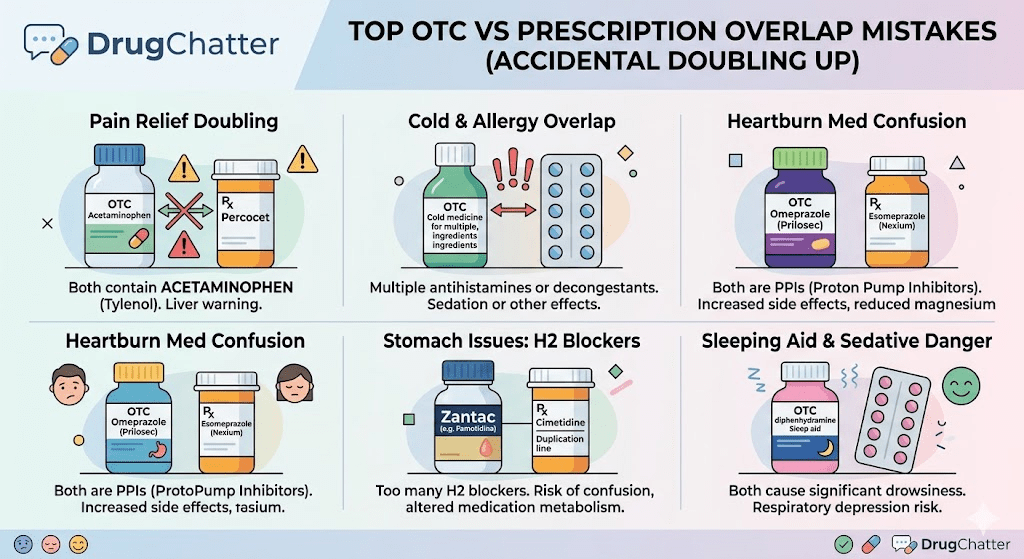
The boring ones are the dangerous ones. They happen when people see an over-the-counter (OTC) product that looks harmless—maybe it’s for a cold, heartburn, pain, or sleep—and then unknowingly take something that overlaps with a prescription they’re already using. The result is often “doubling up” on the same active ingredient, or stacking two drugs that share the same effect.
Below are common OTC vs. prescription overlap traps, with real-world examples pulled from DrugChatter Q&A threads.
1) The “same drug, different label” trap (food and supplement overlaps included)
Sometimes the overlap isn’t another pill—it’s another product that changes how your prescription works. Statins are a classic example: people worry about whether certain foods affect effectiveness, and they often end up changing their diet in ways that don’t actually solve the real issue (or they accidentally add something else that does).
- I take atorvastatin can i eat clemintines?
- Can bananas interfere with lipitor’s effectiveness?
- Can i eat oranges without affecting lipitor’s effectiveness?
- Does consuming avocado affect lipitor’s effectiveness?
- Can nut consumption decrease lipitor’s effectiveness?
- Does food increase lipitor’s absorption?
How doubling up happens here: people assume “natural” means “no interaction,” then add multiple diet/supplement changes at once. It’s not always a true double-dose, but it’s still stacking variables—often without realizing what matters most (the prescription itself, dose timing, and known interaction risks).
2) Aspirin + “OTC-friendly” add-ons (gelatin, pain products, and the hidden stacking)
OTC products often come with ingredients that don’t sound like “medications,” but they can still matter—especially when you’re already taking aspirin or other cardiovascular drugs.
How doubling up happens here: people treat “food-like” or “harmless” OTC items as neutral, then combine them with prescription regimens that have specific interaction concerns. Even when the issue isn’t a literal double-dose, the effect can be similar: you end up with less benefit or more side effects than you expected.
3) “OTC sleep/pain” confusion: sedatives and anxiety meds that can overlap
Some people self-treat with OTC sleep aids or pain relievers and don’t realize they’re effectively adding to the sedation or CNS effects of prescription drugs.
- Is lyrica a benzo?
- Is zolpidem generic for ambien?
- Diazepam 5 mg tablet price us?
- Lacosamide can be given with diazepam?
How doubling up happens here: people don’t recognize that “not the same brand” can still mean “same class of effect.” If you’re already on a prescription that affects the brain, adding another OTC product with overlapping effects can push you into side-effect territory.
4) “OTC cold/flu” and prescription heartburn or cholesterol meds: timing and absorption problems
Even when you’re not doubling the same ingredient, you can still accidentally reduce how well a prescription works—especially with products that change stomach conditions or binding/absorption.
- How does fish oil’s effect on cholesterol compare to lipitor?
- How does fish oil’s effect on cholesterol compare to lipitor?
- What are alcohol’s effects on ozempic?
How doubling up happens here: people add supplements (or OTC “helpers”) while also changing diet/alcohol patterns, then can’t tell whether the prescription is failing, the side effects are worse, or both.
5) The “coupon/price shopping” side quest that leads to medication confusion
When people chase discounts, they sometimes switch brands, strengths, or generics without realizing the active ingredient is the same—or that the dosing instructions differ.
- Do i qualify for lipitor’s patient assistance with my income?
- Symbravo price?
- Sensipar cost?
- Naftifine discount?
- Quinidine sulfate er coupon?
- Desipramine discount?
How doubling up happens here: a person may end up taking two versions (or two strengths) because the packaging looks different, the refill timing is off, or the instructions weren’t transferred cleanly.
6) “Generic vs brand” misunderstandings (and accidental duplicate therapy)
Generic substitution is usually fine—but only if you’re tracking what you’re actually taking. Confusion is where accidental overlap begins.
- Is zolpidem generic for ambien?
- Generic sensipar?
- Formoterol generic?
- Diprolene cream generic?
- Demadex generic name?
- Verquvo generic name?
How doubling up happens here: people assume “different name = different drug,” then take both. Or they keep an old prescription bottle “just in case” and start the new one too.
7) The “I’m not taking that anymore” mistake
Stopping and restarting can create overlap—especially if someone takes an OTC product to “bridge” symptoms while waiting for the prescription to kick in.
How doubling up happens here: people stop a prescription, then add OTC alternatives (or supplements) and don’t realize the prescription’s effect may already be fading—or that the new add-on isn’t a substitute.
How to avoid accidental OTC vs prescription overlap (a quick checklist)
- Read the active ingredients on OTC labels. Brand names are not the same thing as active ingredients.
- Keep one current medication list (including supplements and “as needed” OTCs).
- Ask before you add: pharmacist is usually faster and more precise than guessing.
- Don’t “stack for coverage” (especially for sleep, pain, or mood-related meds).
- When switching generics/brands, confirm the active ingredient and dose.
If you’re worried you may have doubled up, don’t wait for symptoms to “prove” it. Check your medication list, compare active ingredients, and contact a pharmacist or clinician for immediate guidance.