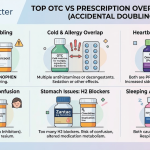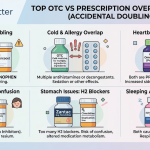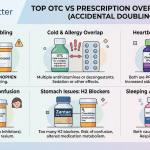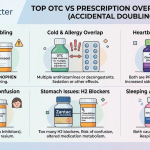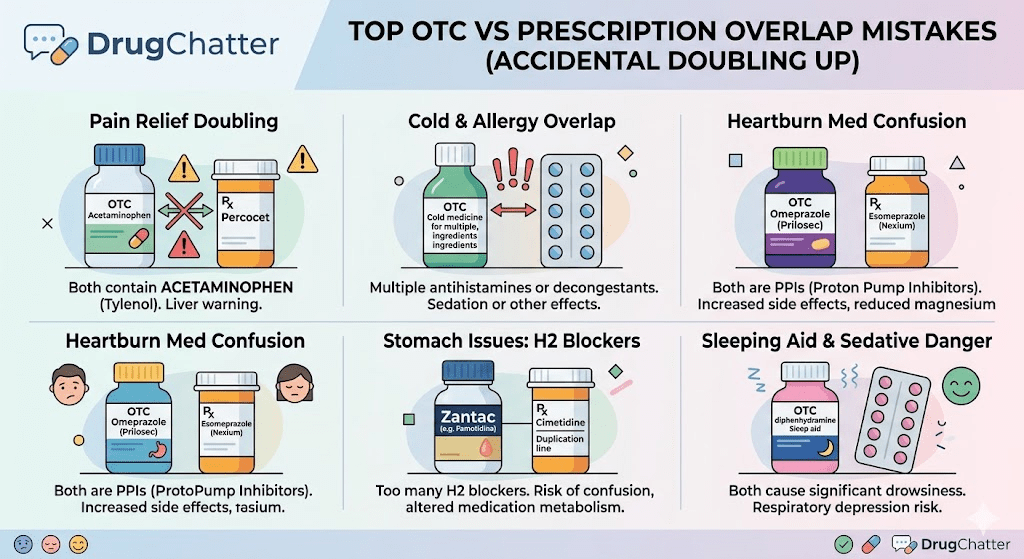
There are two kinds of medication mistakes: the dramatic ones (the wrong drug, the wrong dose), and the quiet ones—the “I thought it was different” errors. The quiet ones are the ones that happen most often when people mix over-the-counter products with prescription regimens and unknowingly double up on the same active ingredient or the same therapeutic effect.
Below are common overlap traps—plus a set of DrugChatter Q&A links you can use to sanity-check what you’re taking.
1) The “It’s not the same brand” problem (it’s the same drug)
Brand names change. Generics show up. “Similar” products get marketed as if they’re different. But if the active ingredient is the same, you’re not stacking benefits—you’re stacking exposure.
- Atorvastatin by Snadoz v Lipitor
- Lipitor dosage compared to alternatives
- What’s the recommended Lipitor dosage with warfarin?
2) The “I added something for side effects” trap
People often try to treat symptoms (pain, sleep, nausea, heartburn) with OTC products—then later realize the prescription they’re on already covers the same symptom pathway. The result can be excess sedation, excess liver load, or excess blood-thinning effect.
- Can you take trazodone and melatonin together?
- What is the safe limit of acetaminophen intake?
- Acetaminophen and propoxyphene hydrochloride price?
- Azithromycin with advil?
3) The “food and supplements are harmless” doubling effect
OTC doesn’t just mean pills from the pharmacy aisle—it also means supplements and “natural” add-ons. Some of these can change how a prescription works, making it feel like the medication is failing (so people take more), or making side effects more likely.
- Is it true dairy interferes with Lipitor’s benefits?
- Is Lipitor’s efficacy changed by eating iron rich vegetables?
- How does vitamin c affect Lipitor’s recommended dosage?
- How does aspirin interact with citrus in the stomach?
4) The “I missed a dose, so I’ll catch up” overlap
When people miss a prescription dose, they sometimes compensate by taking extra later—then also take an OTC “booster” for the same condition. That’s how you end up with too much of the same effect.
5) The “similar symptom, different drug” confusion
Sometimes the OTC product isn’t the same active ingredient—but it can still overlap in effect (for example, multiple agents that influence the same organ system or risk profile). People then assume “more is better,” especially when they’re trying to get relief quickly.
- What’s the mechanism of ezetimibe on ldl?
- How does fish oil compare to lipitor’s statin effect?
- What are vascepa’s discount requirements?
6) The “I’m on one antiviral/antibiotic—can I add another?” question
Overlap isn’t always about the same drug. It can also be about stacking therapies that aren’t meant to be combined, or that increase side-effect risk.
- Can acyclovir be taken with other antivirals?
- Is tigecycline contraindicated in certain liver conditions?
- How has tigecycline’s patent shaped antibiotic pricing competitiveness?
7) The “steroid-ish” confusion (OTC creams vs prescription steroids)
Skin products are a classic overlap zone: people use an OTC cream for “inflammation” while already on a prescription regimen that may include steroid exposure. That can lead to unexpected skin thinning, irritation, or masking of infection.
8) The “I’m low on something” self-replacement
Sometimes people take OTC products because they think they’re deficient (electrolytes, vitamins, minerals). But deficiency fixes and medication effects don’t always align—and doubling up can worsen the situation.
Quick checklist: how to avoid accidental doubling
- Check the active ingredient on every OTC product label (not just the brand name).
- Don’t “stack for speed” when you’re already on a prescription for the same symptom.
- Ask before adding supplements or multi-symptom cold/flu products—those are frequent overlap culprits.
- If you missed a dose, follow the specific missed-dose instructions for that medication.
Medication overlap is rarely intentional. It’s usually a paperwork problem, a label-reading problem, or a “this feels different” problem. The fix is boring: verify the active ingredient, confirm the dosing plan, and when in doubt, check the relevant DrugChatter Q&A links above before you take the next dose.