Brand vs. Brand: The Top Drug-Switching Confusion Questions People Keep Asking
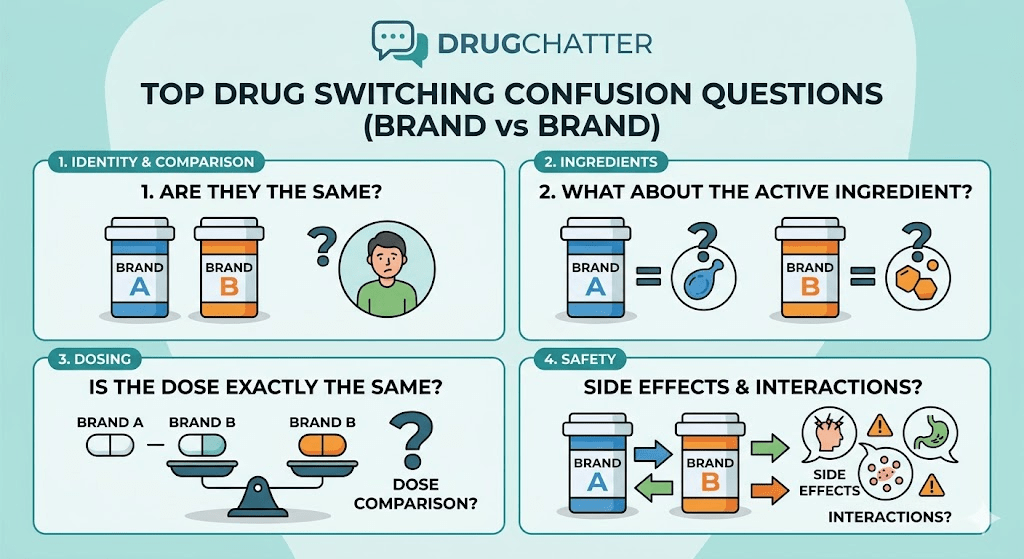
Drug switching is supposed to be boring: same active ingredient, same job, fewer surprises. But in the real world, “brand […]
Drug switching is supposed to be boring: same active ingredient, same job, fewer surprises. But in the real world, “brand […]
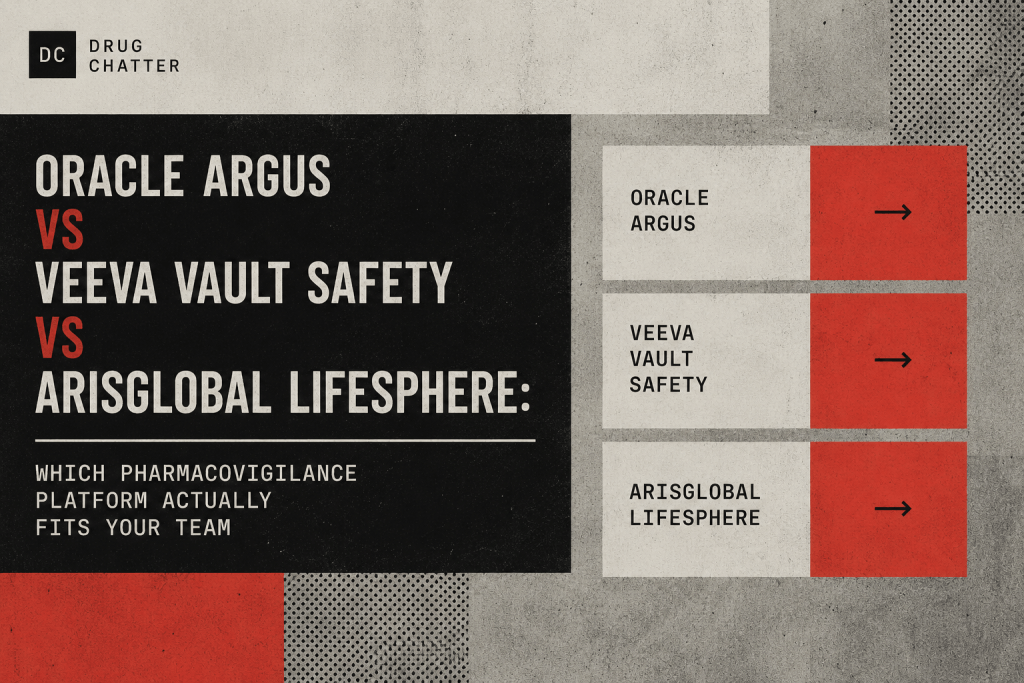
Three vendors control most of the case-processing market that keeps adverse event reports moving from intake to FDA submission. Oracle
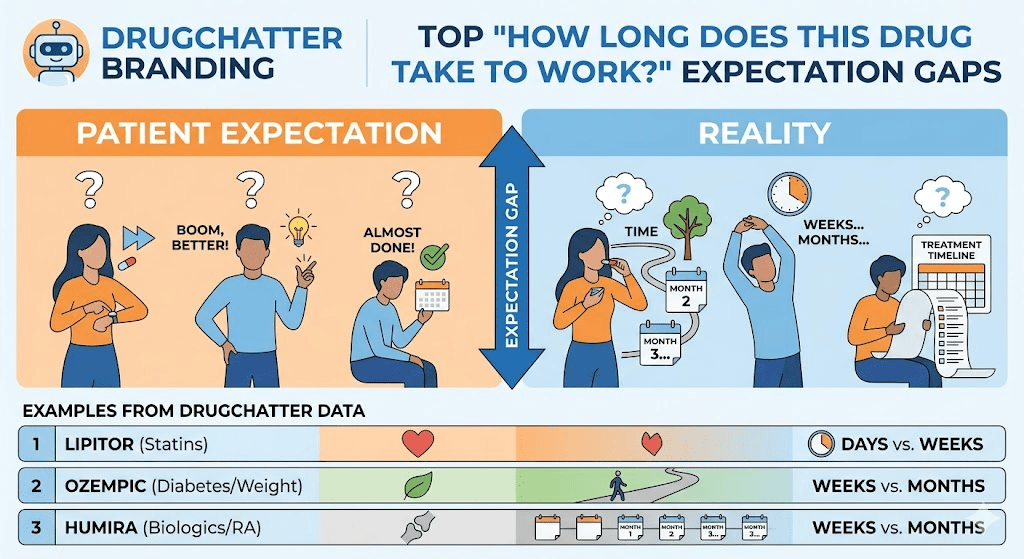
There’s a particular kind of hope that shows up in pharmacies and patient portals: the simple question, “How long does
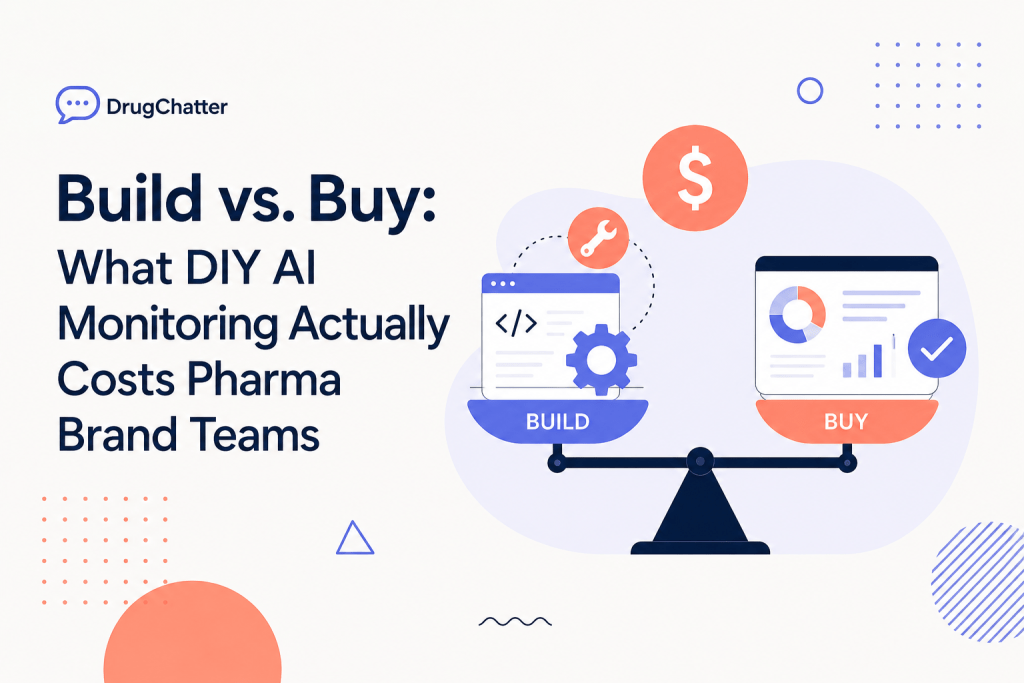
A brand manager at a mid-size specialty pharma company opens ChatGPT, types her drug’s name, and asks about dosing in
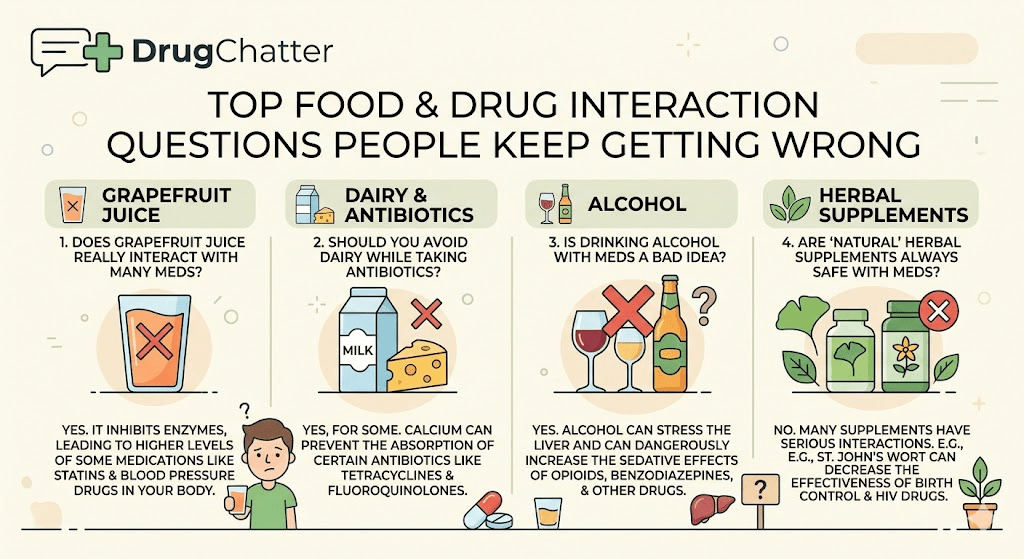
Top food and drug interaction questions people keep getting wrong Every week, the same pattern shows up in the inbox:
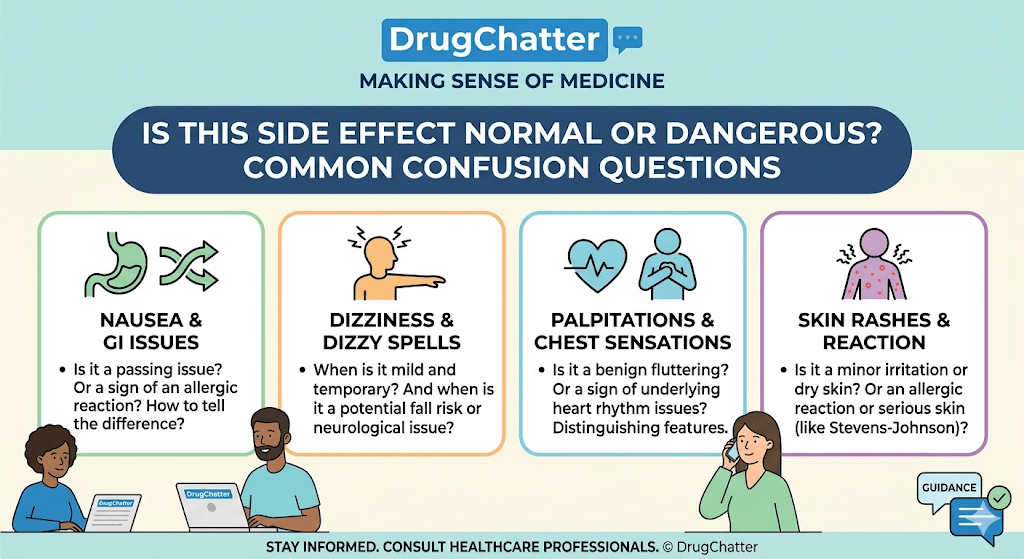
There’s a particular kind of message that shows up again and again—usually late, usually anxious, and usually written in the
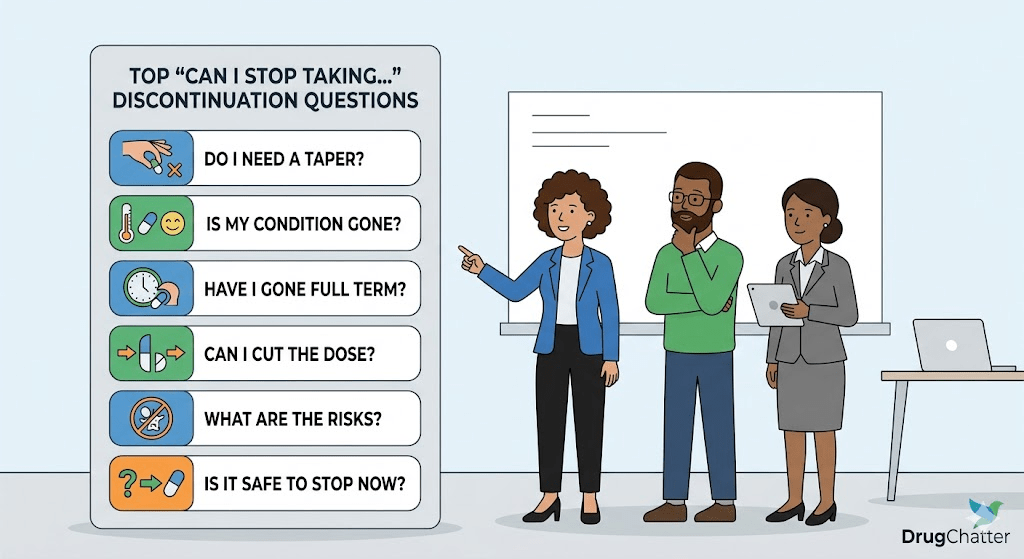
There are two kinds of medication questions: the ones you ask because you’re curious, and the ones you ask because
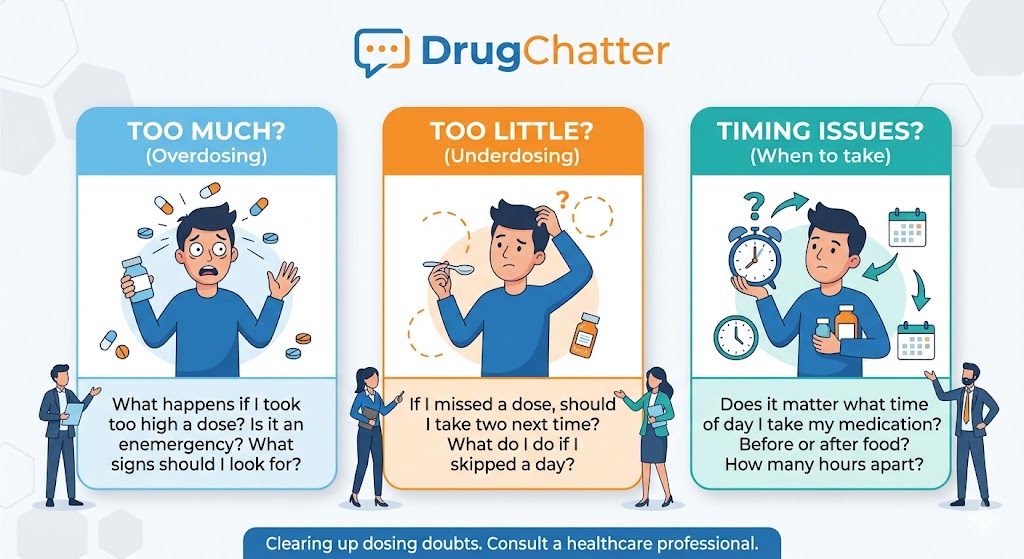
There are two kinds of dosing mistakes: the ones that come from misunderstanding the drug, and the ones that come
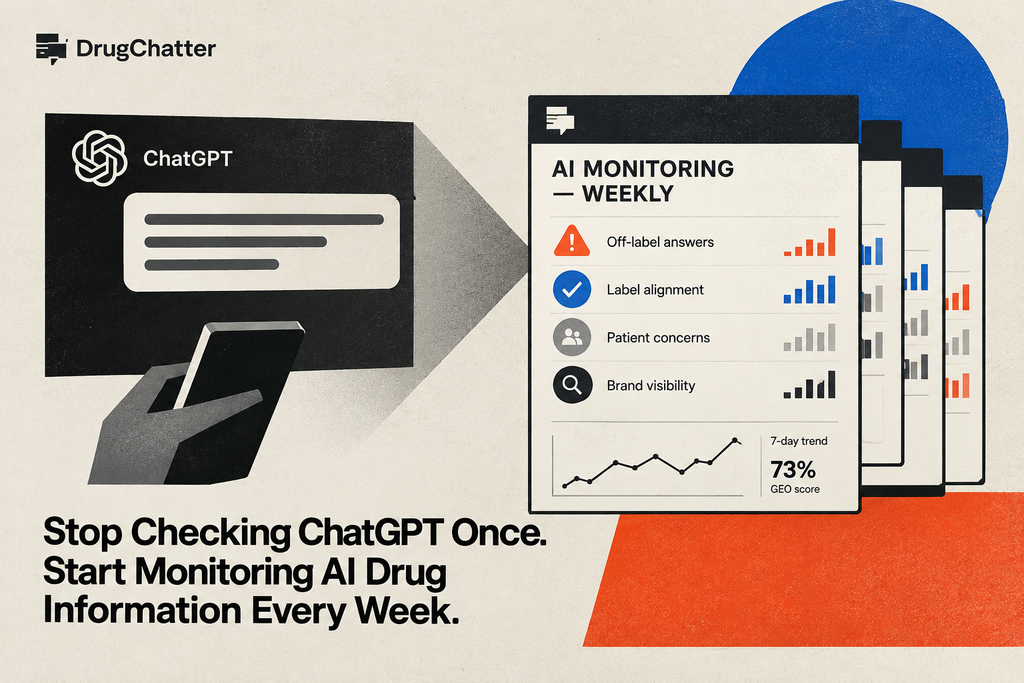
ChatGPT now fields a healthcare question from roughly one in four of its more than 800 million weekly users, according
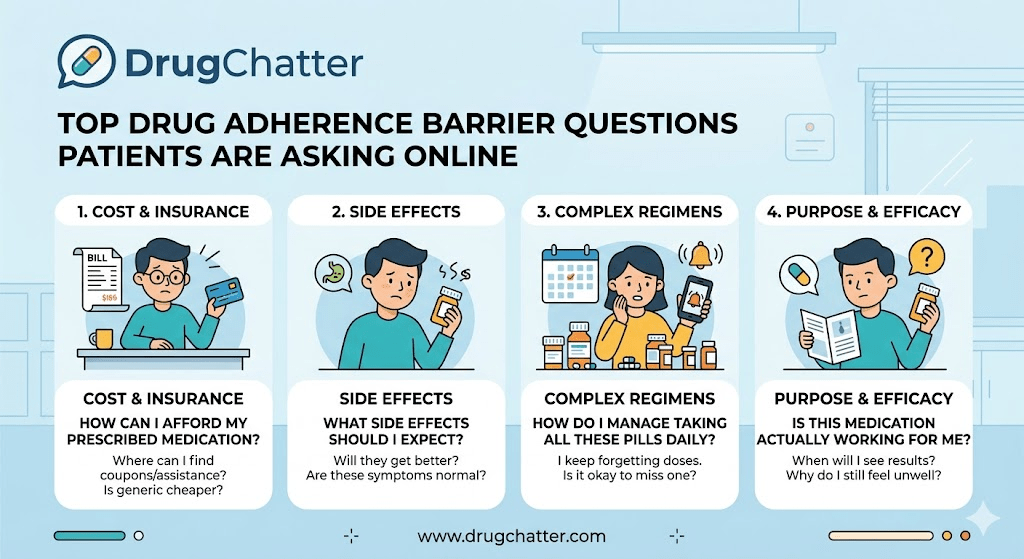
There’s a particular kind of anxiety that shows up when a prescription hits the real world: the pills are in
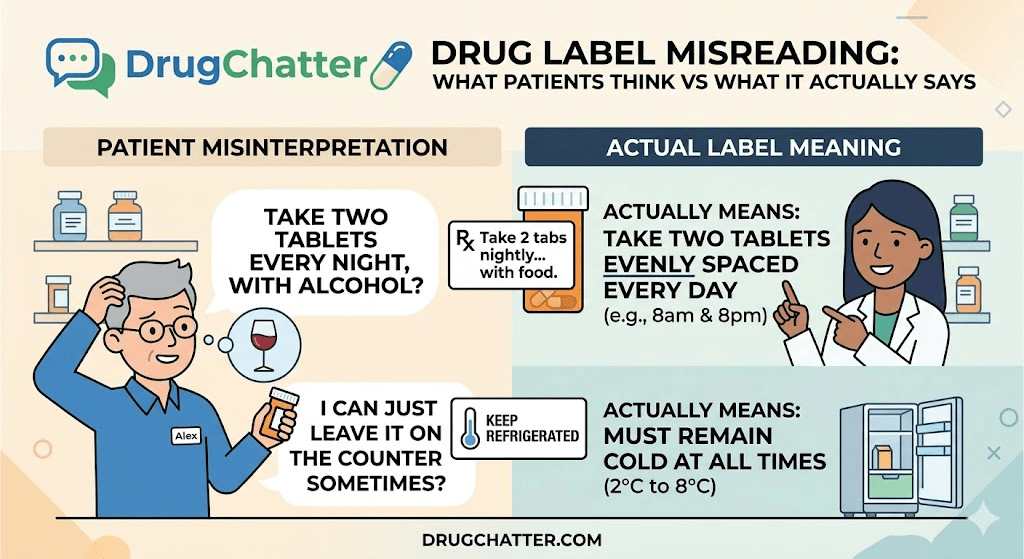
There are two kinds of medication confusion: the kind that comes from not knowing what a drug is, and the
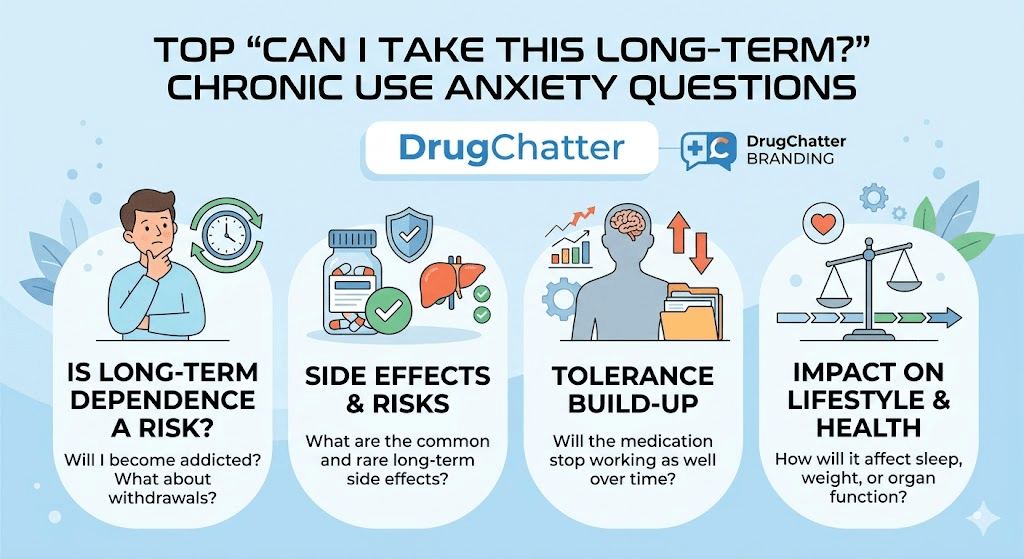
There’s a particular kind of dread that comes with chronic medication: the pill is small, the label is big, and
Sign in or create a free account to read this DrugChatter article