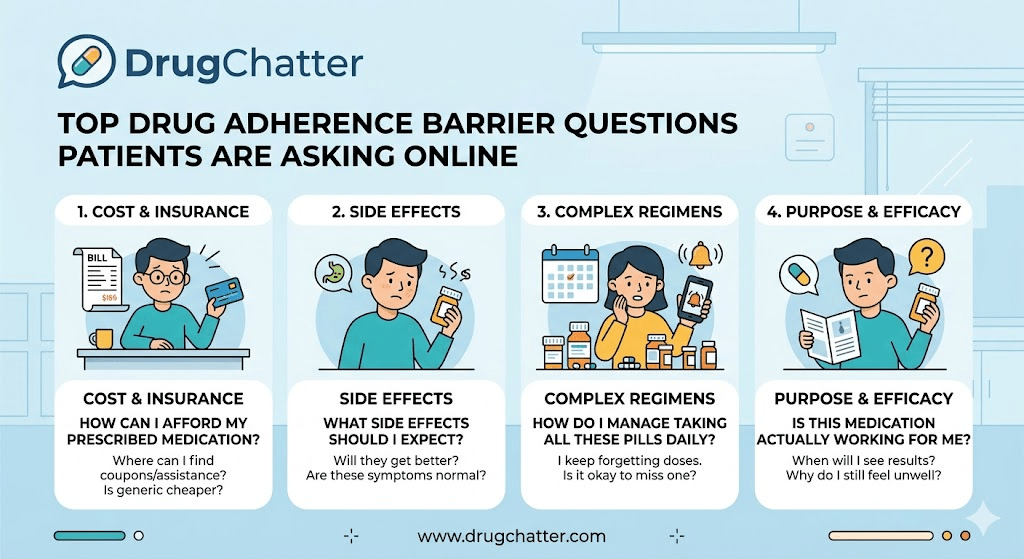
The Price-Tag, the Missed Dose, and the “Can I Just Get It Cheaper?” Questions That Keep Showing Up
Patients don’t ask adherence questions the way clinicians do. They ask them the way life forces them to: with a […]
Patients don’t ask adherence questions the way clinicians do. They ask them the way life forces them to: with a […]
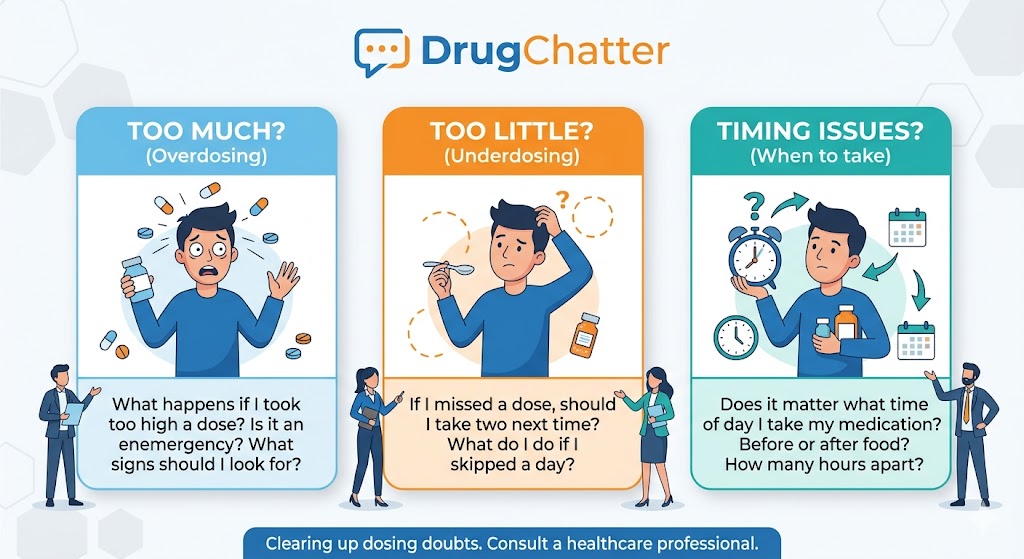
There are two kinds of dosing confusion: the kind that comes from not knowing what to do, and the kind
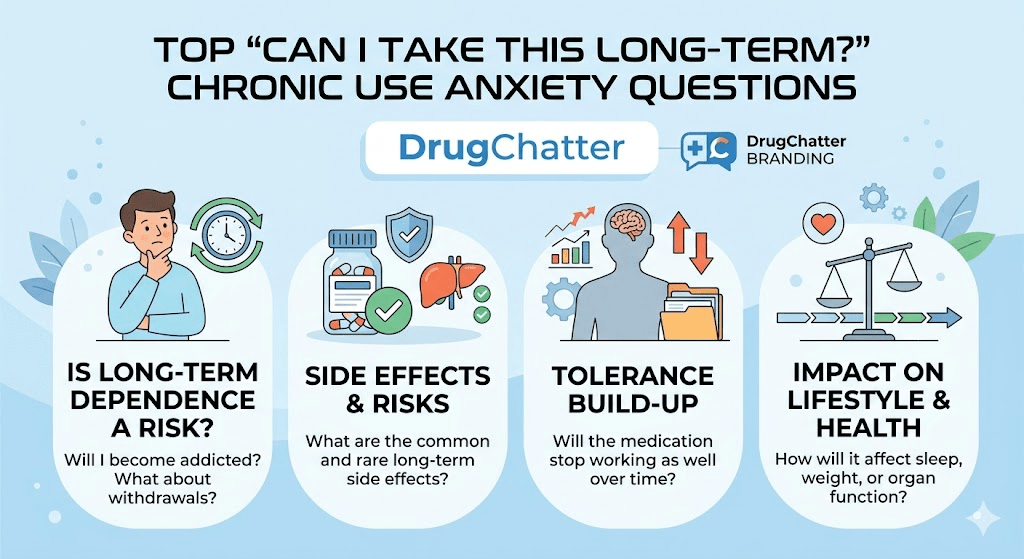
There are two kinds of medication anxiety. The first is the immediate kind—side effects, interactions, the fear of the unknown.
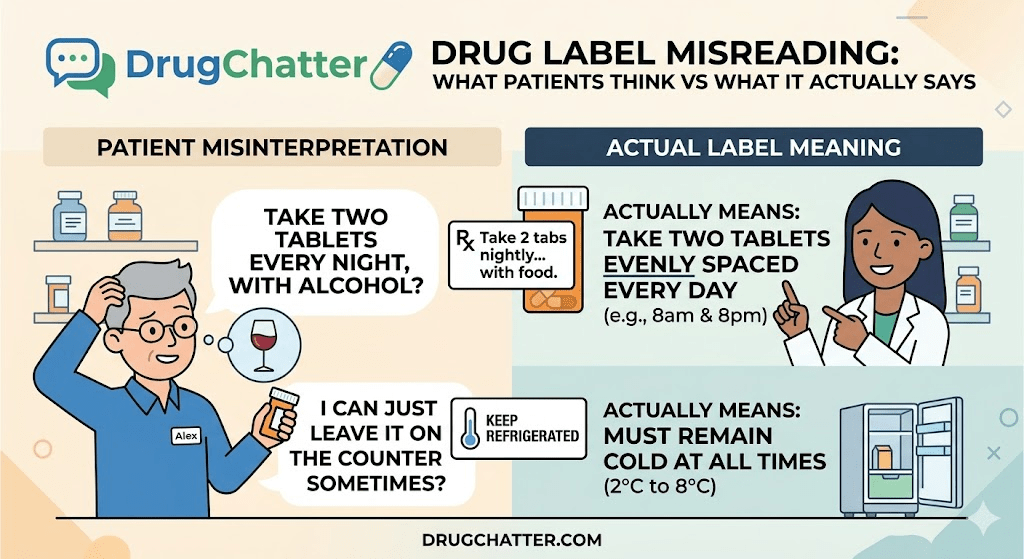
There’s a particular kind of confusion that shows up again and again in the real world: not the dramatic, movie-scene
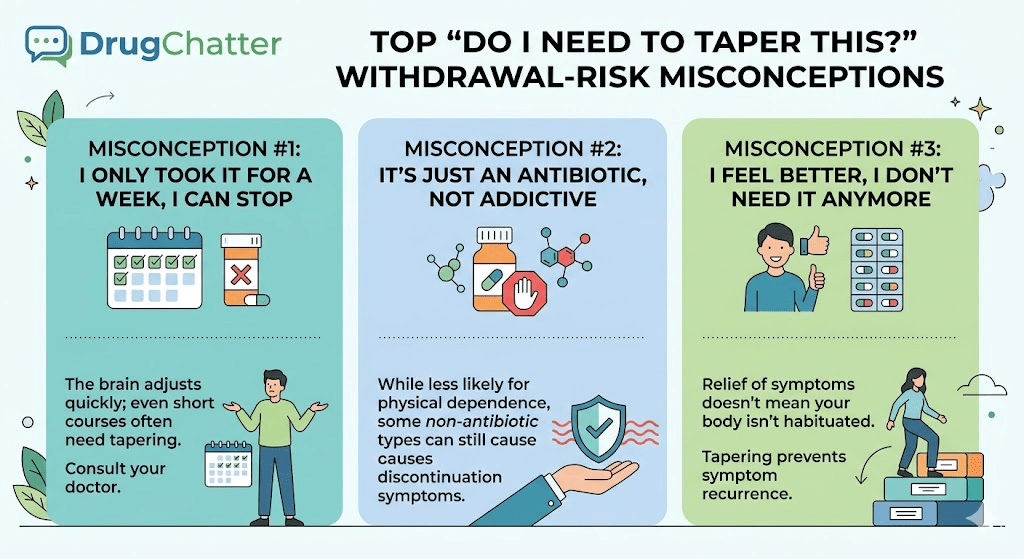
There are two kinds of medication advice people trade in the wild: the kind that’s grounded in pharmacology, and the
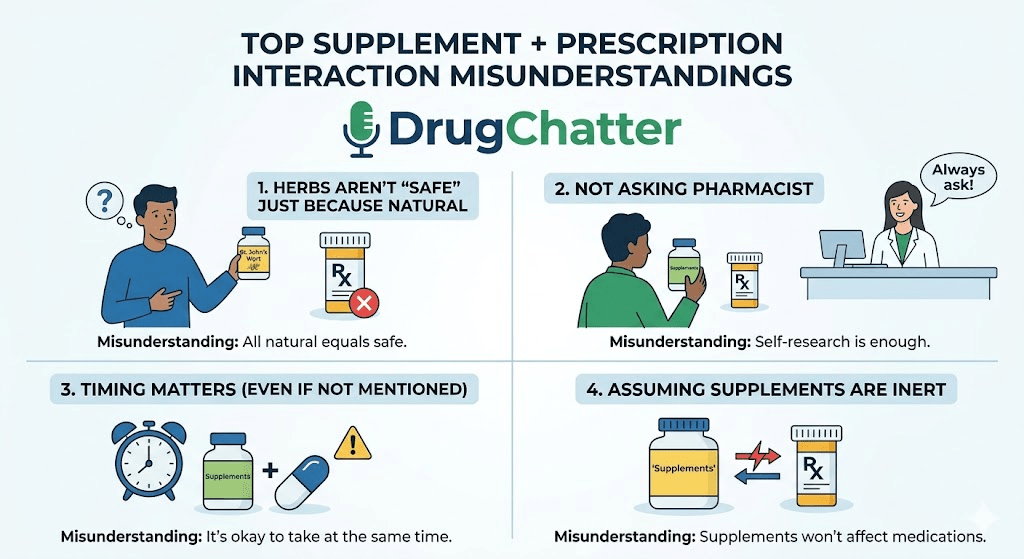
There’s a particular kind of confidence that shows up whenever someone says, “It’s just a supplement,” or “It’s natural, so
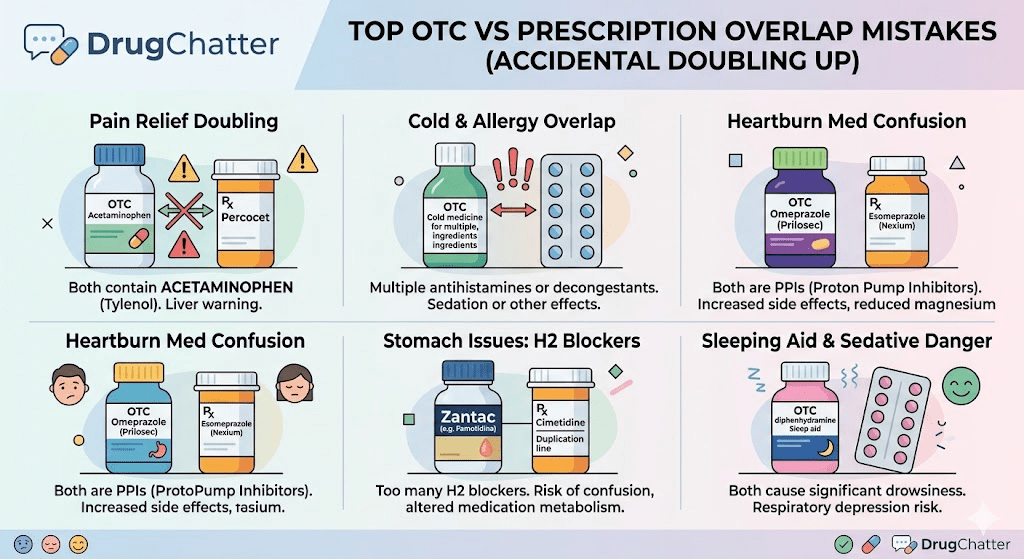
There are two kinds of medication mistakes: the dramatic ones (the wrong drug, the wrong dose), and the quiet ones—the
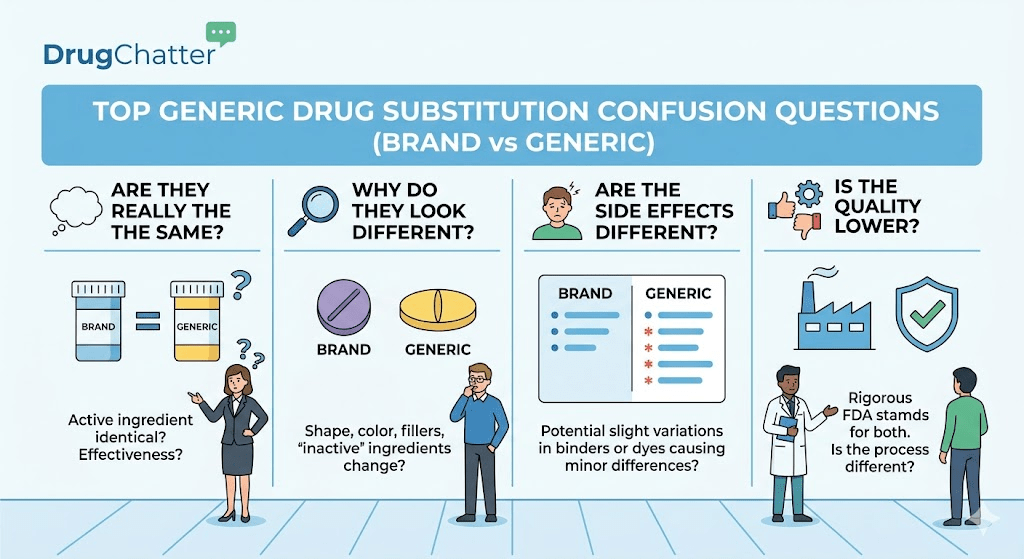
There are two kinds of confusion in prescription medicine: the kind that comes from biology, and the kind that comes
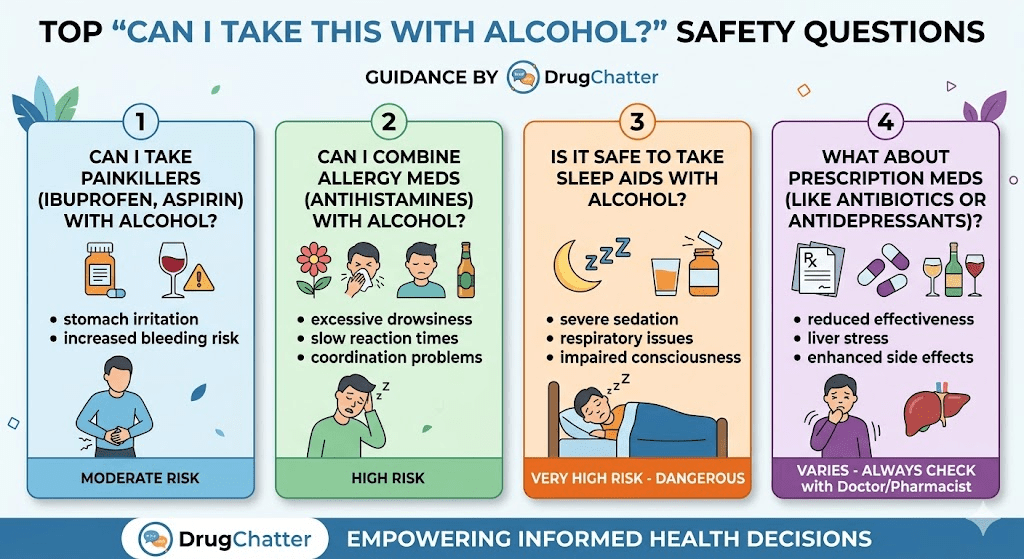
Alcohol is the great improviser: it changes how you feel, how you sleep, and—sometimes—how your medications behave. The trouble is
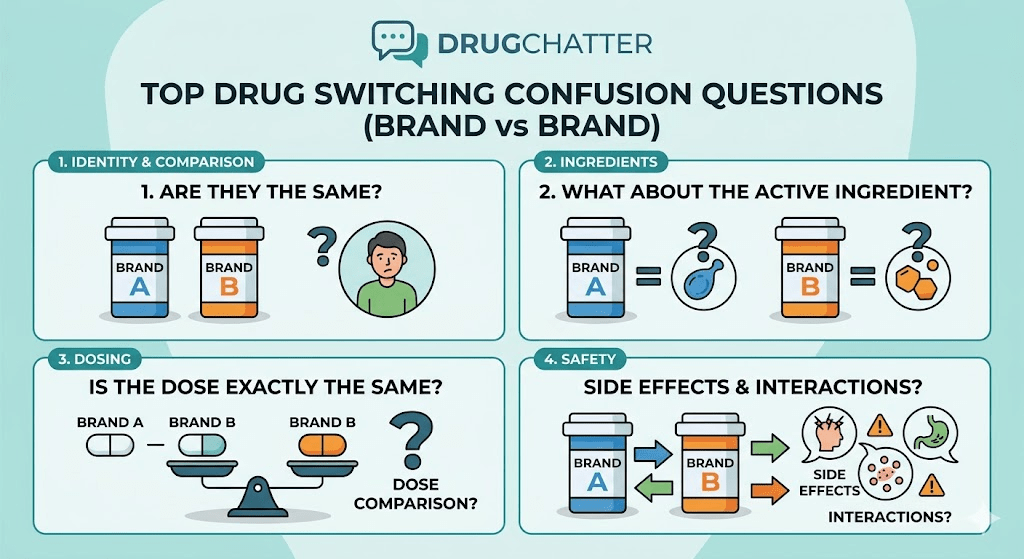
Drug switching is supposed to be boring: same active ingredient, same job, different label. But in the real world—pharmacies, insurance
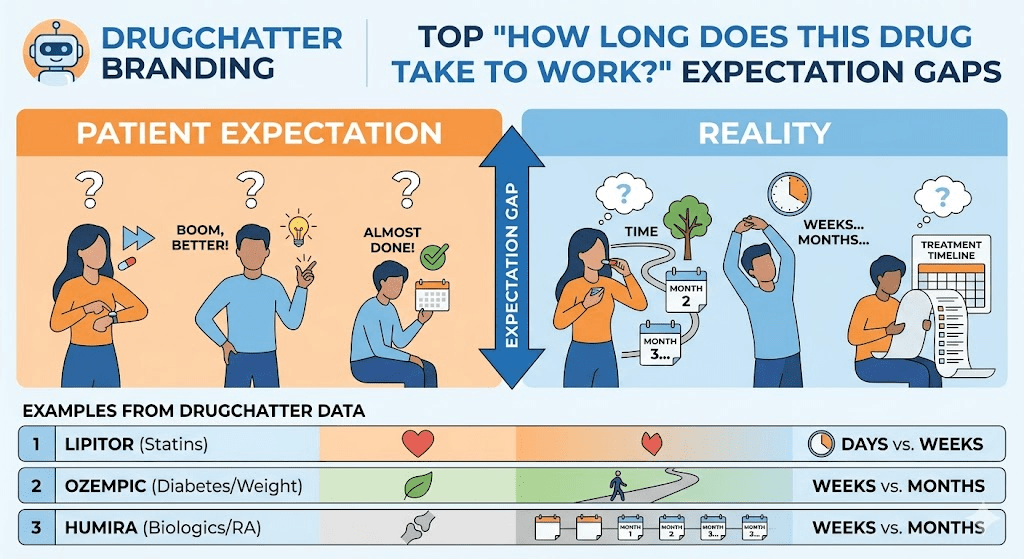
There’s a particular kind of disappointment that shows up in clinics and pharmacies: the patient (or caregiver) expects a drug
Some questions show up like clockwork: the same confusion, the same “can I just…?” impulse, and the same pattern of
Sign in or create a free account to read this DrugChatter article