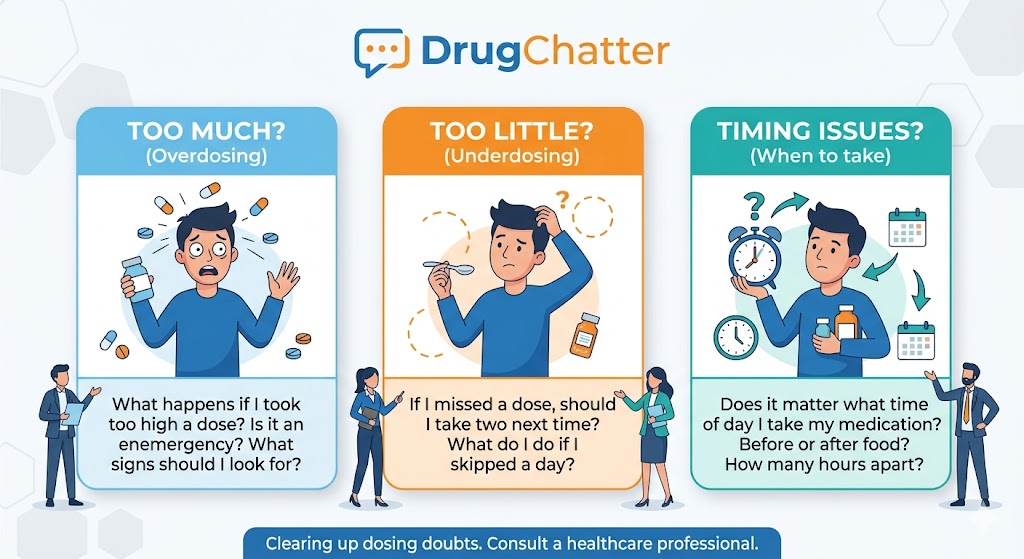
The Dose-Timing Trap: When “More” Isn’t Better and “Less” Isn’t Safer
Every so often, a patient (or a caregiver) does the math the way humans do: if a dose is good, […]
Every so often, a patient (or a caregiver) does the math the way humans do: if a dose is good, […]
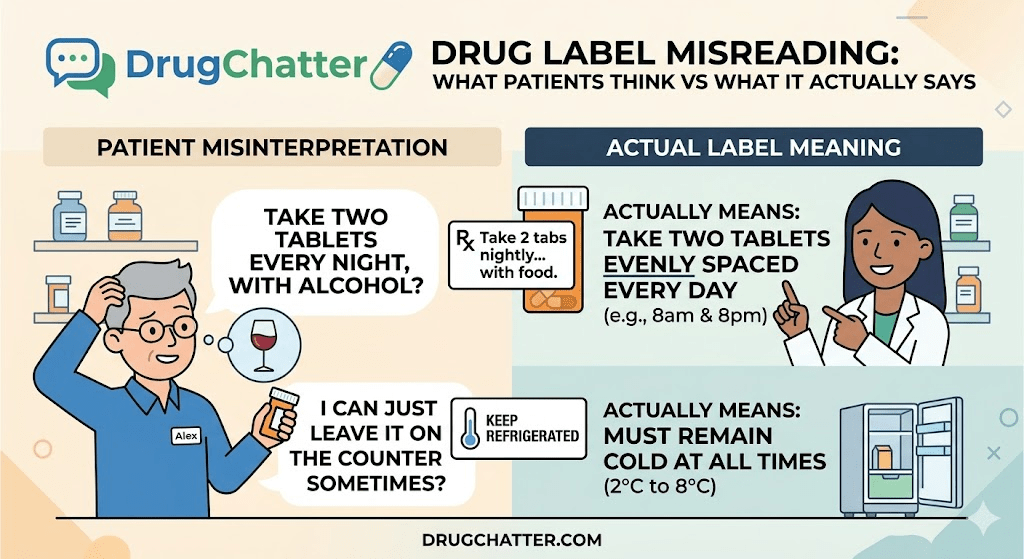
Somewhere between the pharmacy counter and the kitchen table, a drug label can turn into a Rorschach test. Patients don’t
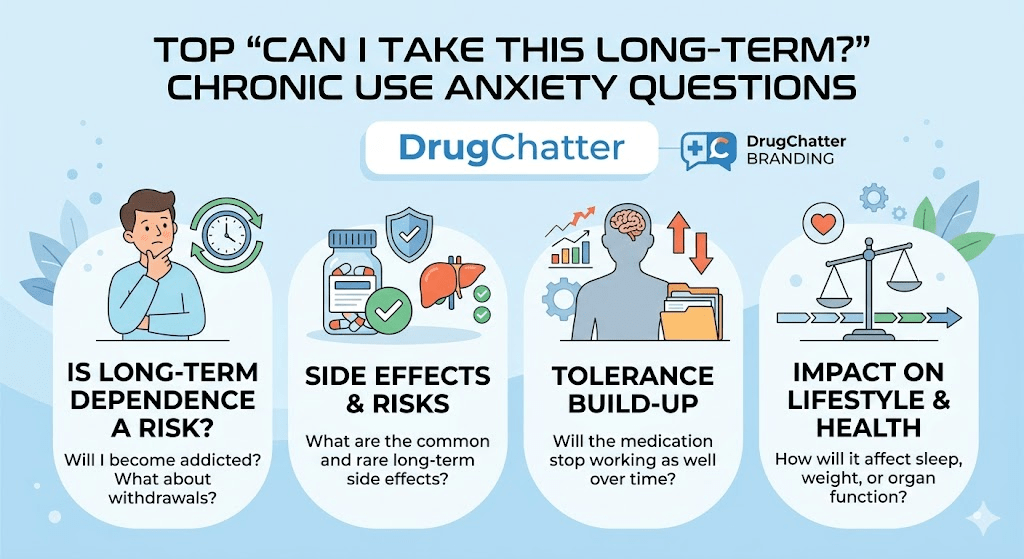
There’s a particular kind of worry that shows up when a prescription stops being a short-term fix and starts looking
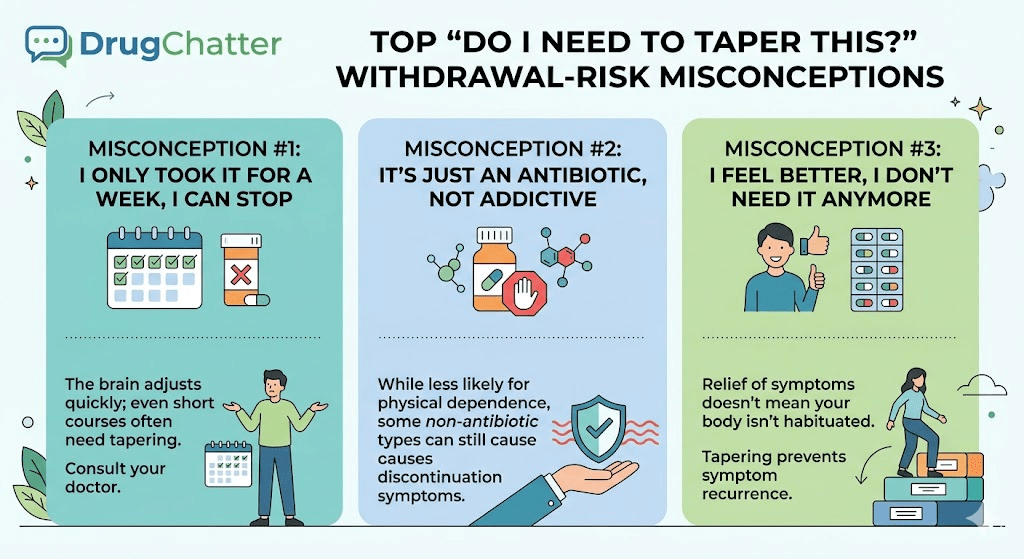
There are two kinds of medication questions that reliably start the same way: “I’m stopping—do I need to taper?” and
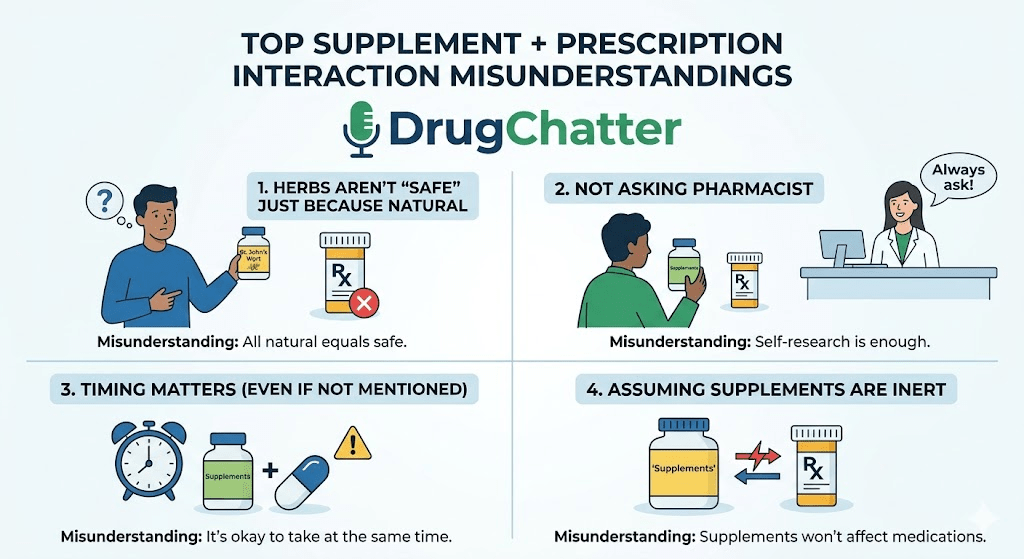
Every week, someone writes in with the same story: a “harmless” add-on—vitamins, herbs, OTC pain relievers, even pool chemicals—meets a
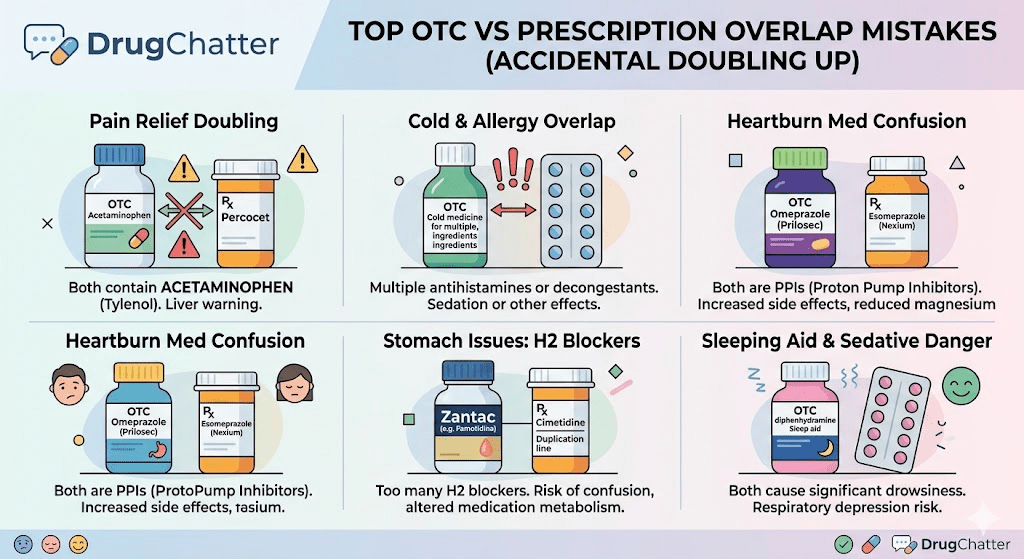
There are two kinds of medication mistakes: the dramatic ones, and the boring ones. The boring ones are the dangerous
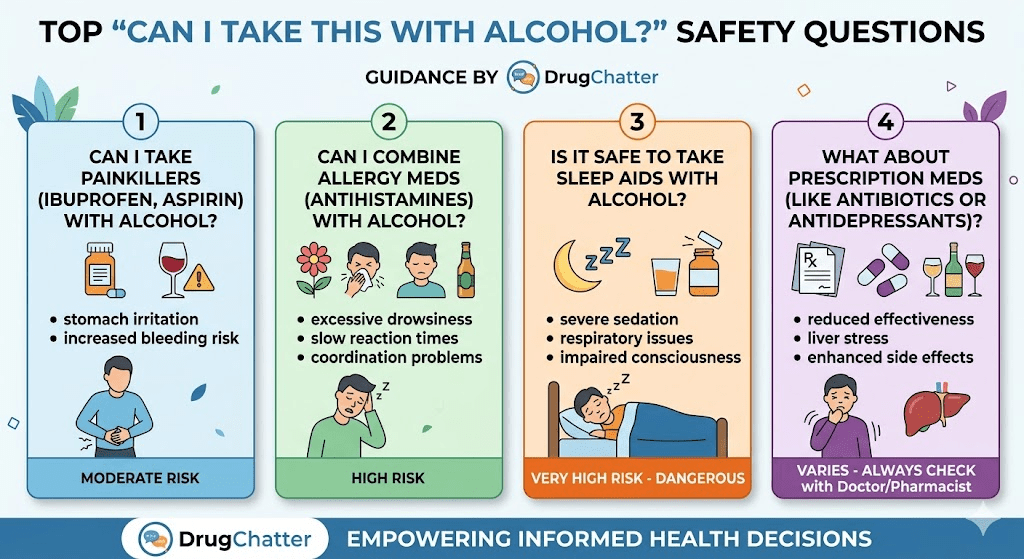
There’s a particular kind of question that shows up right before a night out, right after a prescription is filled,
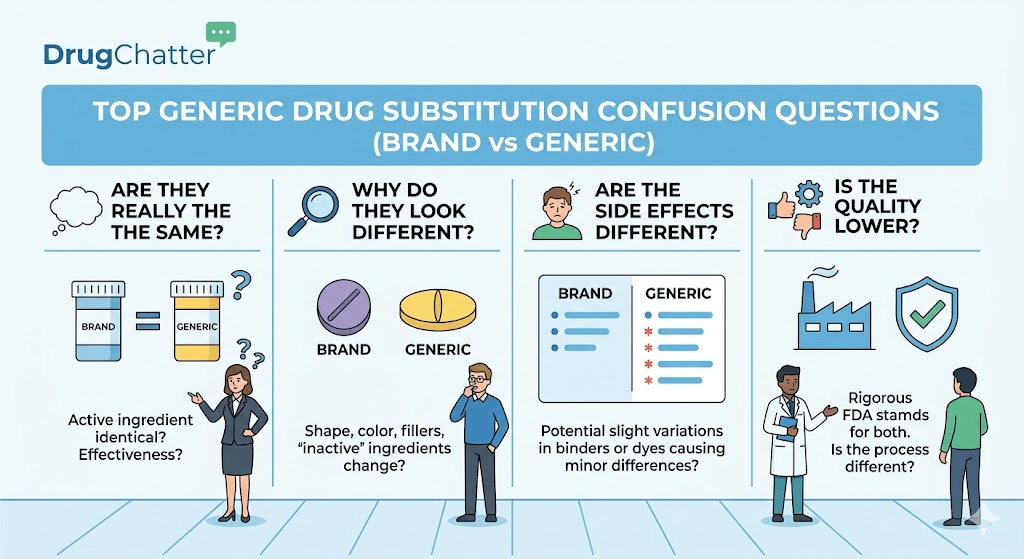
Somewhere between the pharmacy counter and the insurance portal, “generic” turns into a word that means everything and nothing. Is
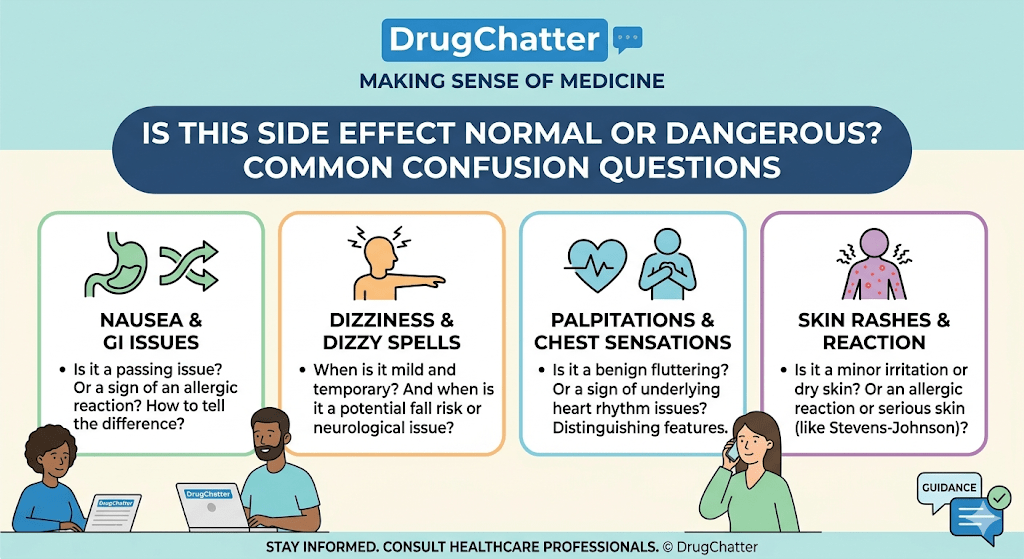
There’s a particular kind of message that shows up again and again in medicine: the one that starts with a
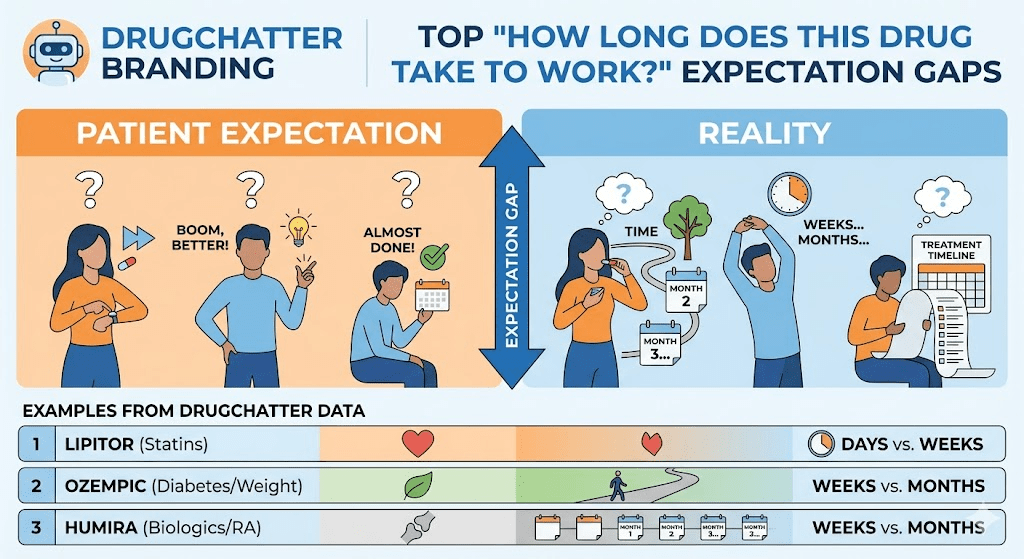
There are two kinds of patients: the ones who want a stopwatch, and the ones who want a miracle. Unfortunately,
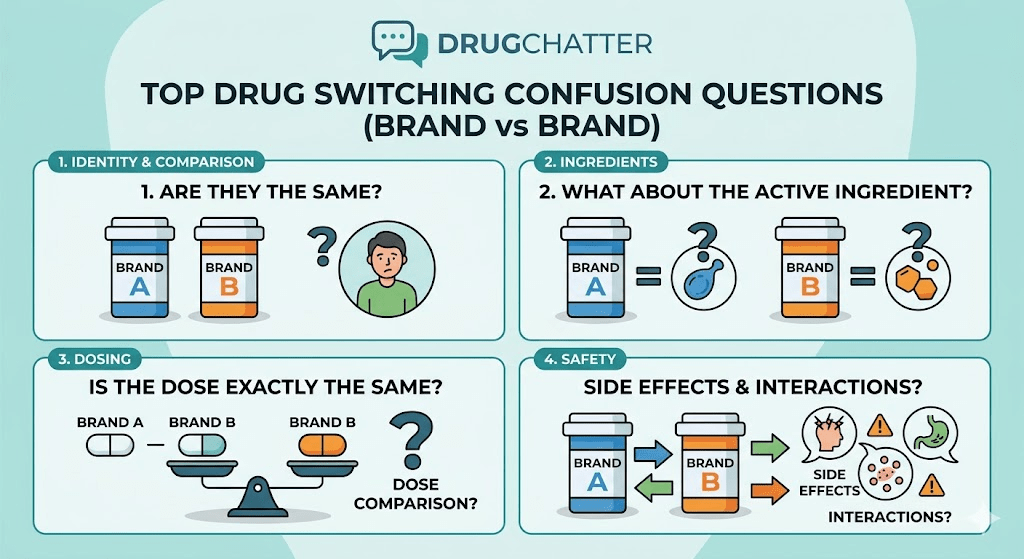
There are two kinds of drug-switching confusion: the kind that comes from real pharmacology, and the kind that comes from
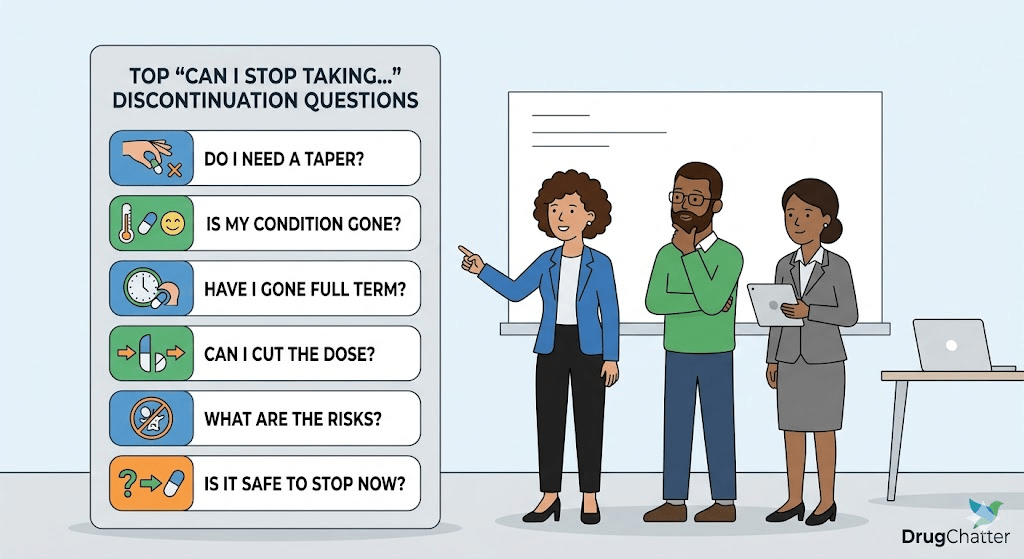
There are two kinds of medication questions: the ones you ask because you’re curious, and the ones you ask because
Sign in or create a free account to read this DrugChatter article