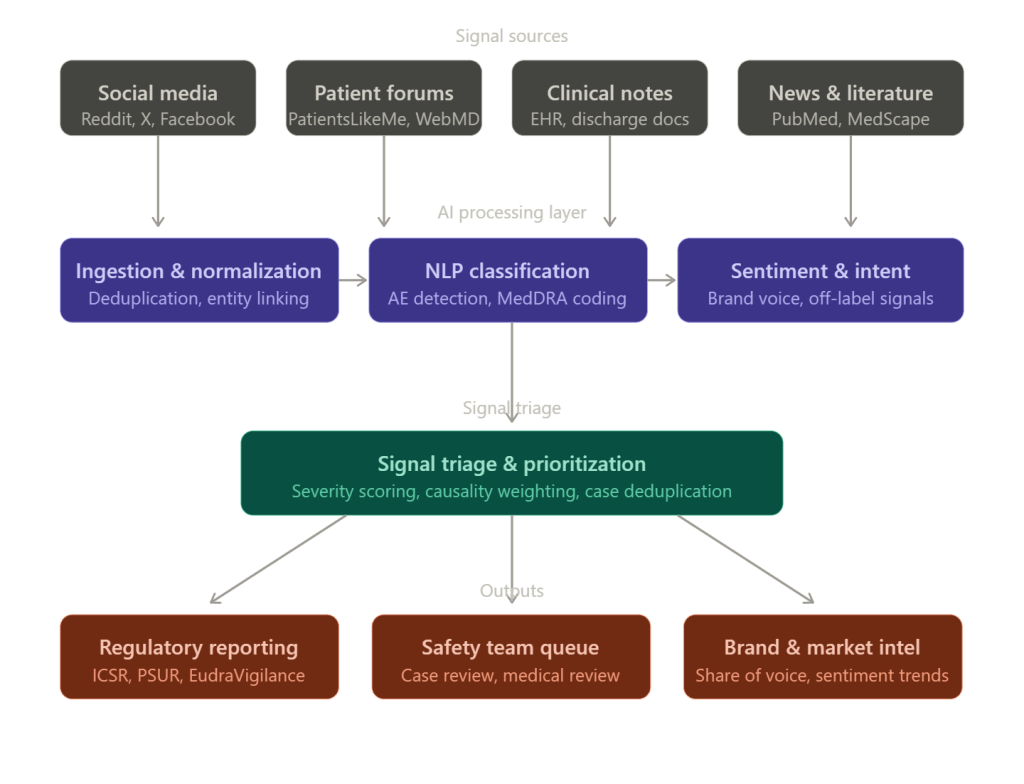
AI Monitoring for Pharmacovigilance: How Drug Companies Track Mentions Before Regulators Do
The standard pharmacovigilance process has a timing problem Adverse events travel faster than case reports. A patient posts about a […]
The standard pharmacovigilance process has a timing problem Adverse events travel faster than case reports. A patient posts about a […]
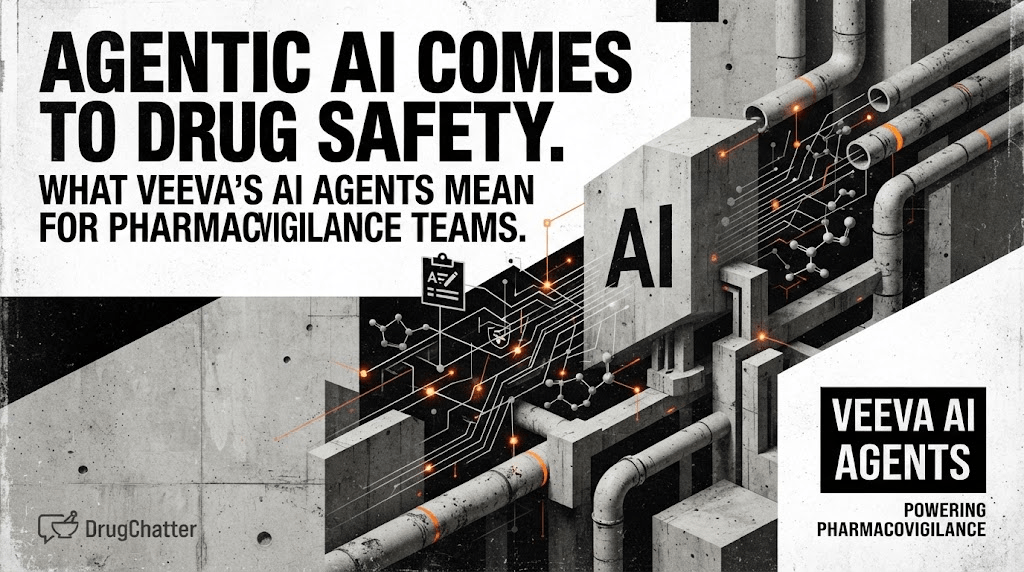
The Short Answer Veeva Systems is running two parallel agentic AI programs in drug safety at once, and they are
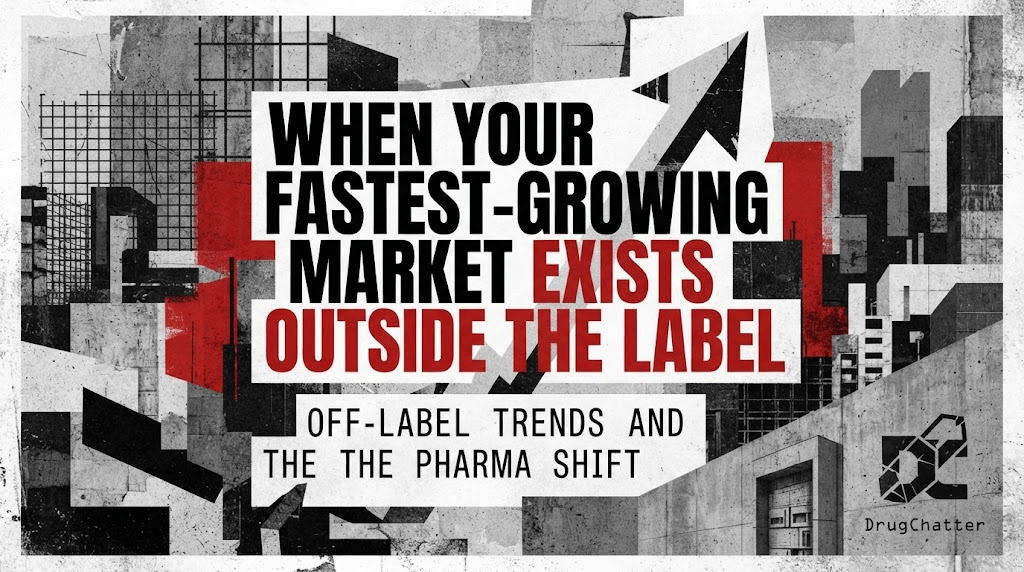
How semaglutide and tirzepatide built a combined obesity-and-diabetes franchise worth tens of billions of dollars largely on off-label and compounded
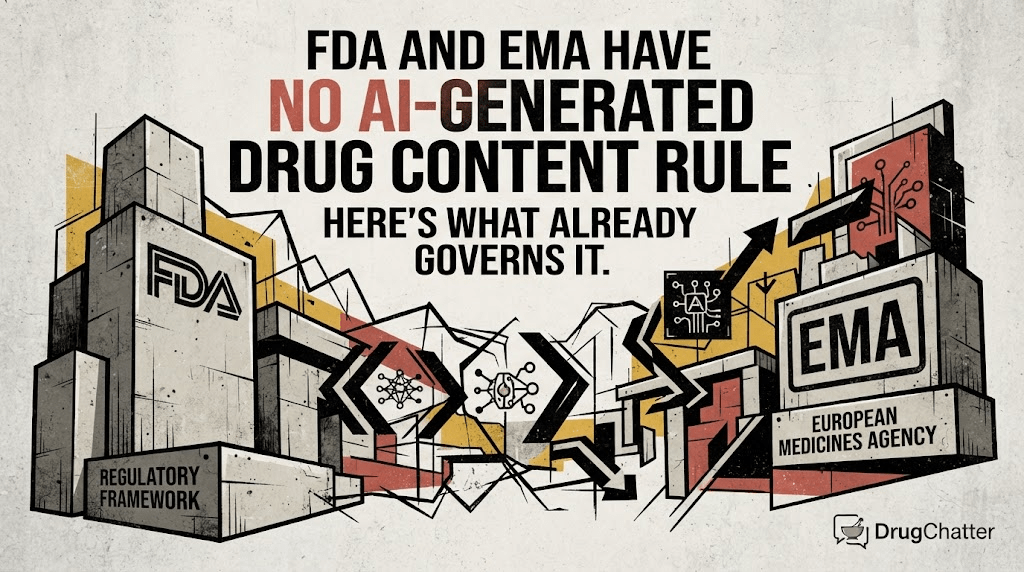
A compliance primer for Medical Affairs, Regulatory Affairs, Pharmacovigilance, and Brand teams The Short Answer Neither FDA nor EMA has
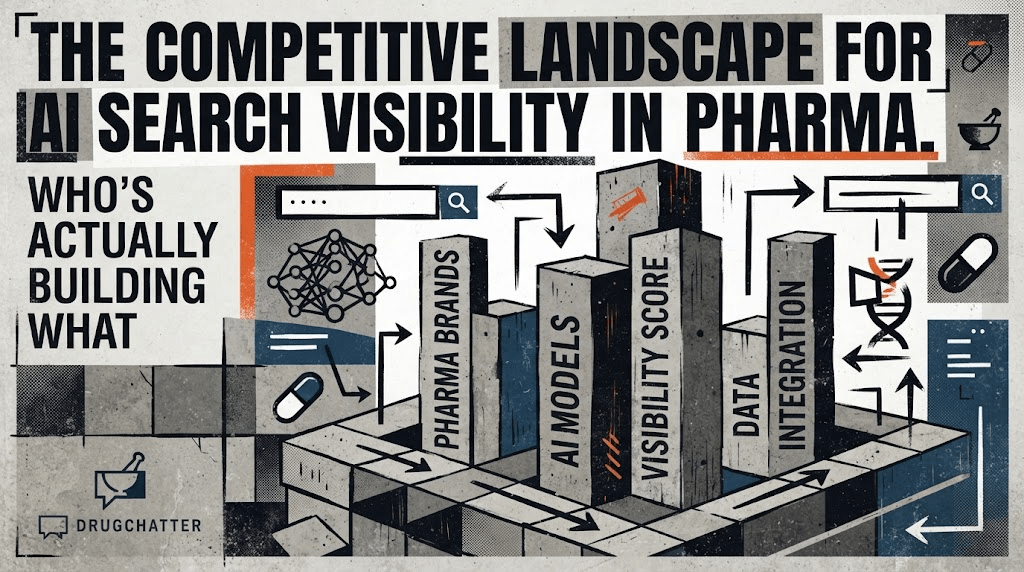
Real Chemistry billed HealthGEO, launched on August 21, 2025, as the industry’s first healthcare-specific generative engine optimization (GEO) intelligence platform
By 2002, an estimated 94% of gabapentin prescriptions were written for conditions the drug was never approved to treat [6].
In May 2026, 5W AI Communications ran more than 60 patient and consumer prompts against ChatGPT, Claude, Perplexity, Gemini, and
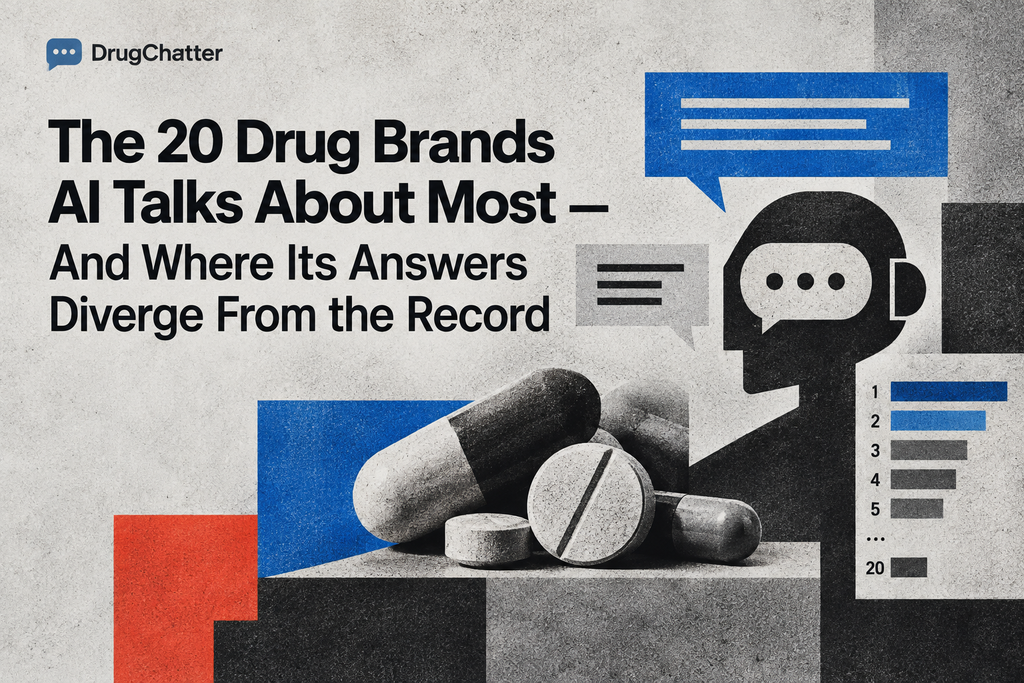
The short answer: Twenty brand and generic names dominate AI-monitoring query volume tracked across consumer and clinical assistants: Lipitor, Advil,
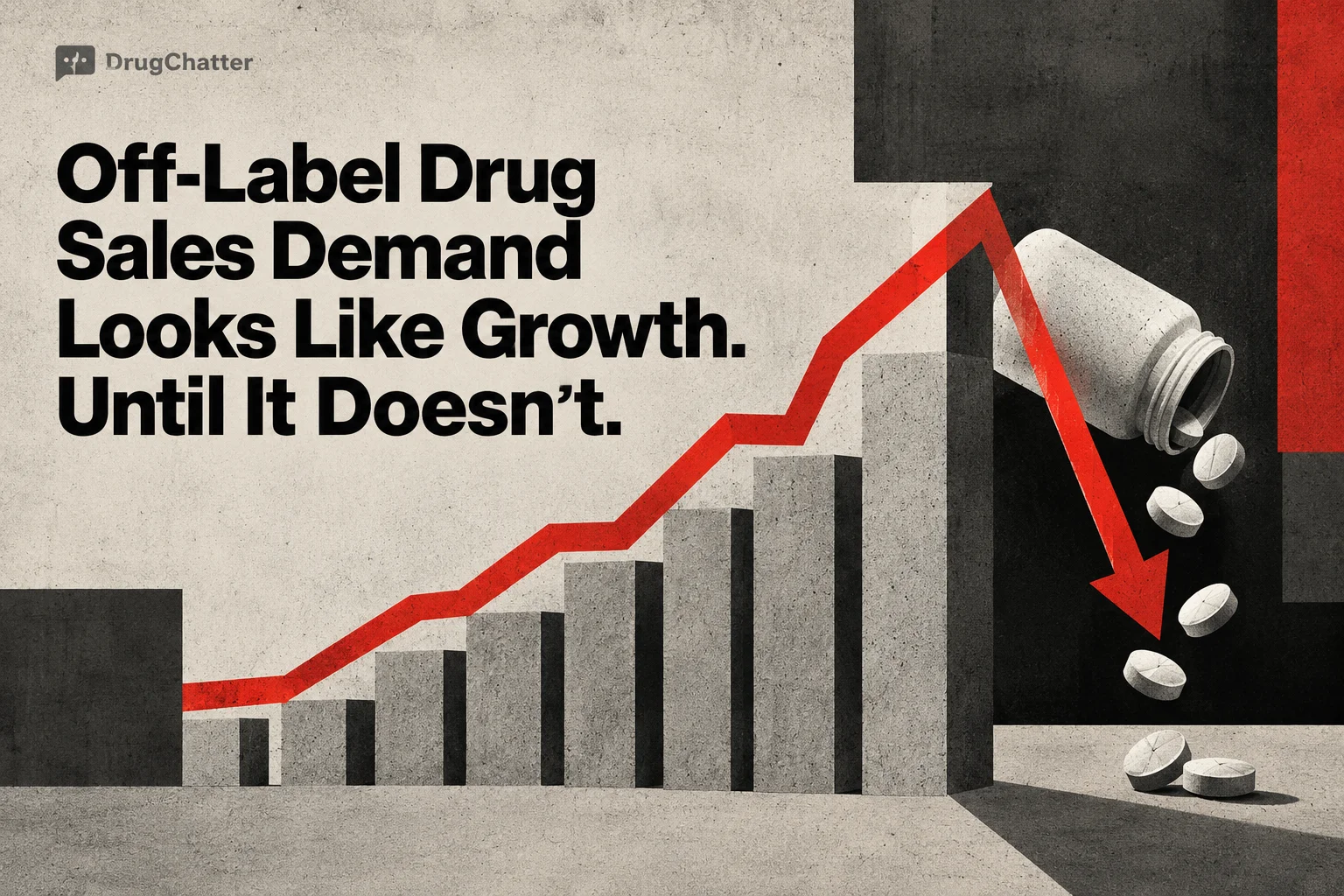
In January 2026, Hims & Hers launched a compounded oral semaglutide pill priced at $49 for the first month. Nine
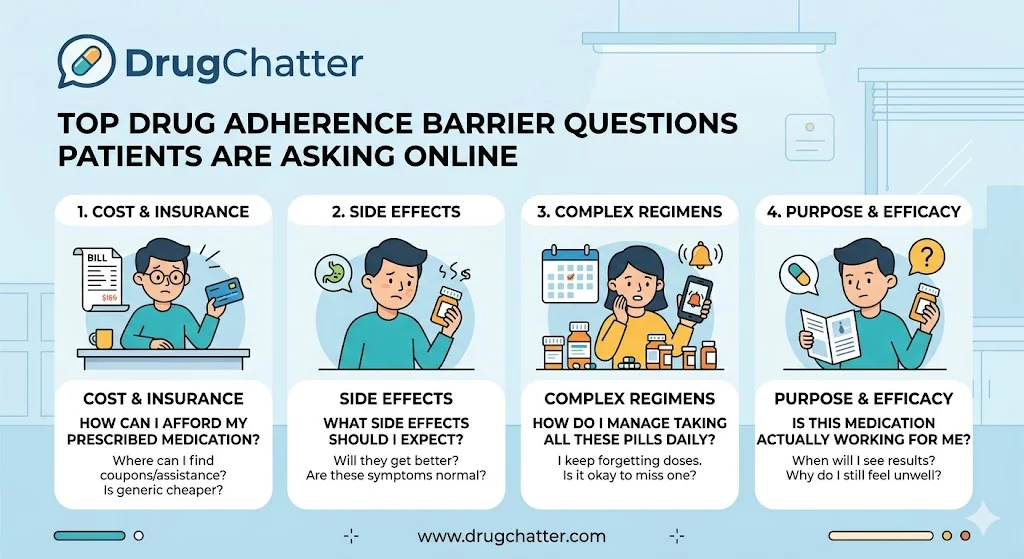
Patients don’t usually get into trouble because they don’t care. They get into trouble because the real world is messy:
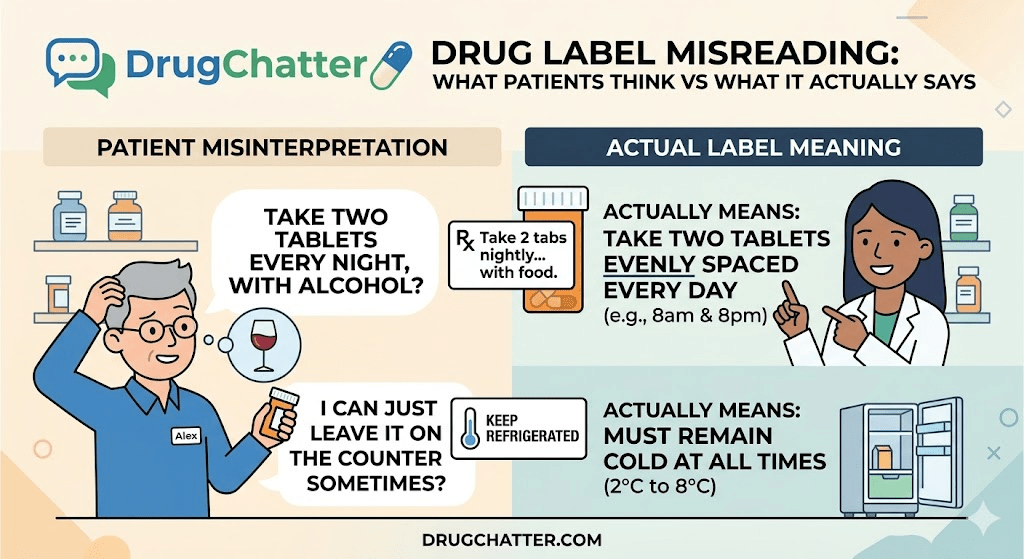
There are two kinds of medication confusion. The harmless kind—where someone mixes up a dose or forgets a detail. And
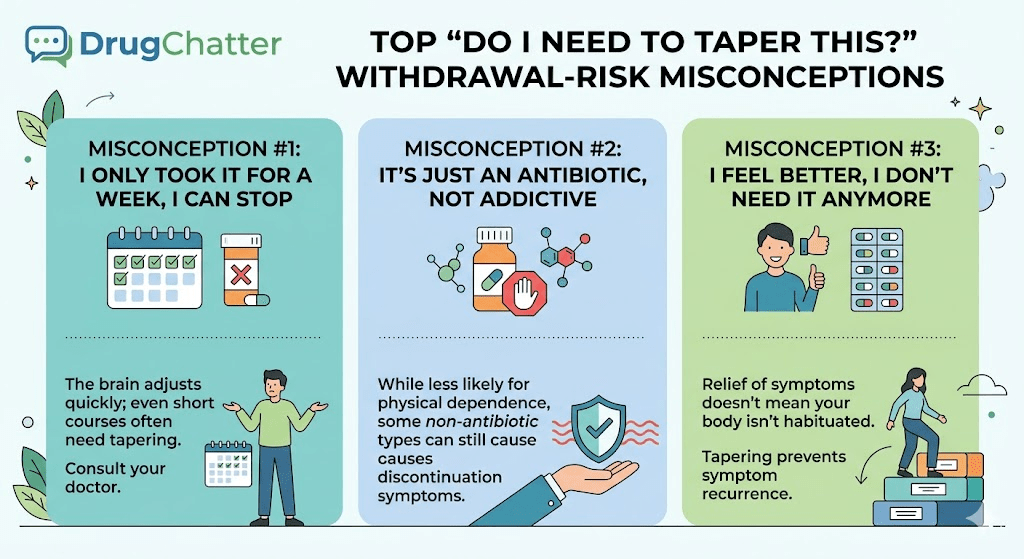
There’s a particular kind of confidence that comes from hearing someone else say, “You don’t really need to taper—just stop.”
Sign in or create a free account to read this DrugChatter article