AI Became Your Patient’s Drug Counselor. Pharma Didn’t Get a Vote.
Somewhere between the formulary decision and the first filled prescription, a patient opens ChatGPT and asks: “Is Ozempic safe for […]
Somewhere between the formulary decision and the first filled prescription, a patient opens ChatGPT and asks: “Is Ozempic safe for […]
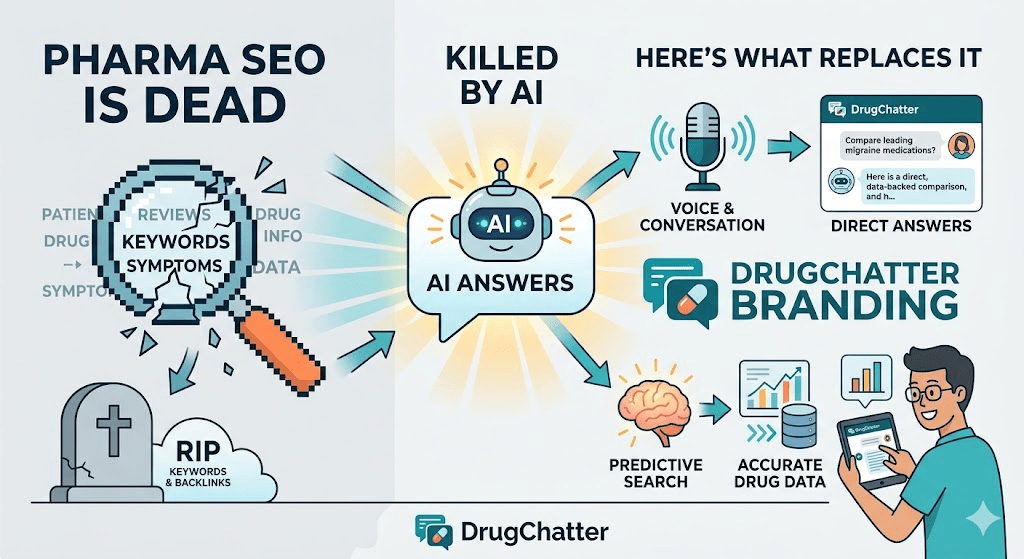
A physician types “best GLP-1 for weight loss” into ChatGPT. A patient asks Claude which SGLT2 inhibitor has the fewest
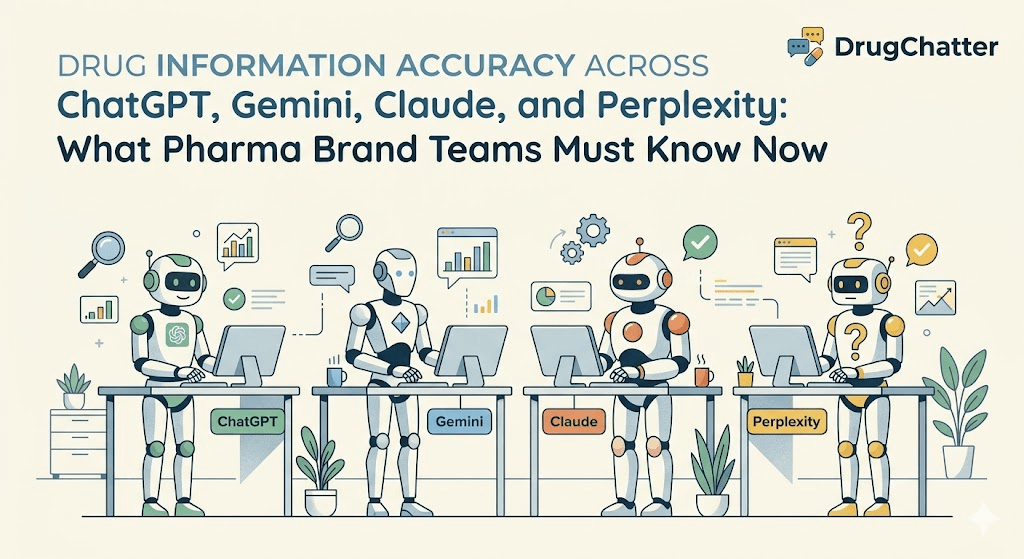
When a patient types ‘Can I take Ozempic if I have pancreatitis?’ into ChatGPT at 11 p.m., they are not
A patient types ‘Can I take Ozempic and metformin together?’ into ChatGPT. A physician asks Gemini about semaglutide dosing for
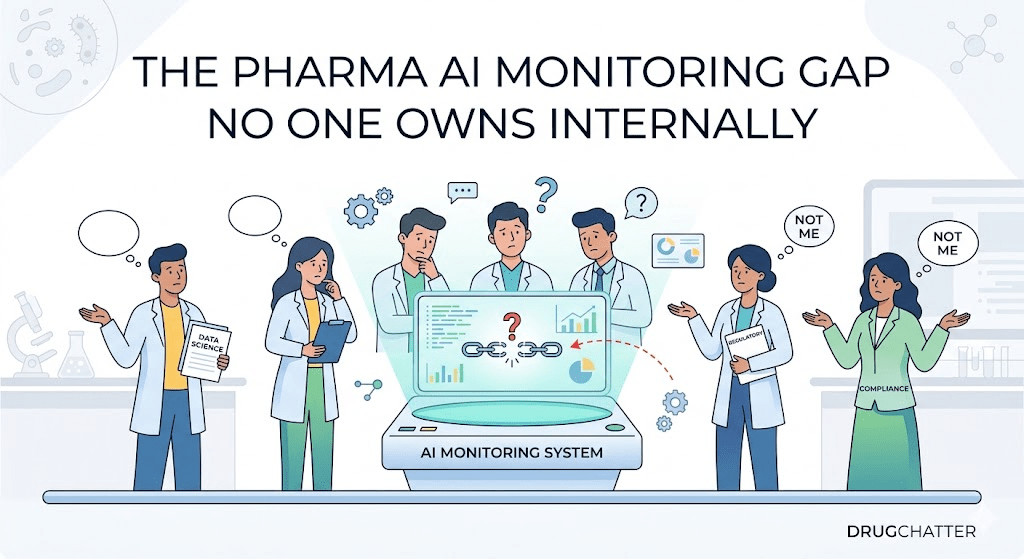
Somewhere between medical affairs, pharmacovigilance, digital marketing, and IT, there is a gap large enough to swallow a drug brand.
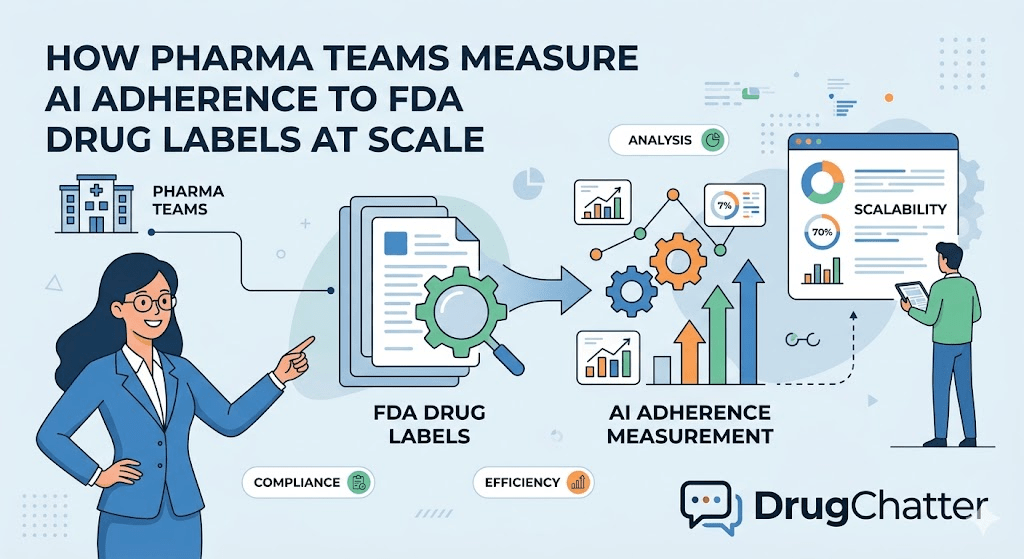
Last year, a patient asked ChatGPT whether it was safe to take semaglutide with a sulfonylurea. The model answered confidently.
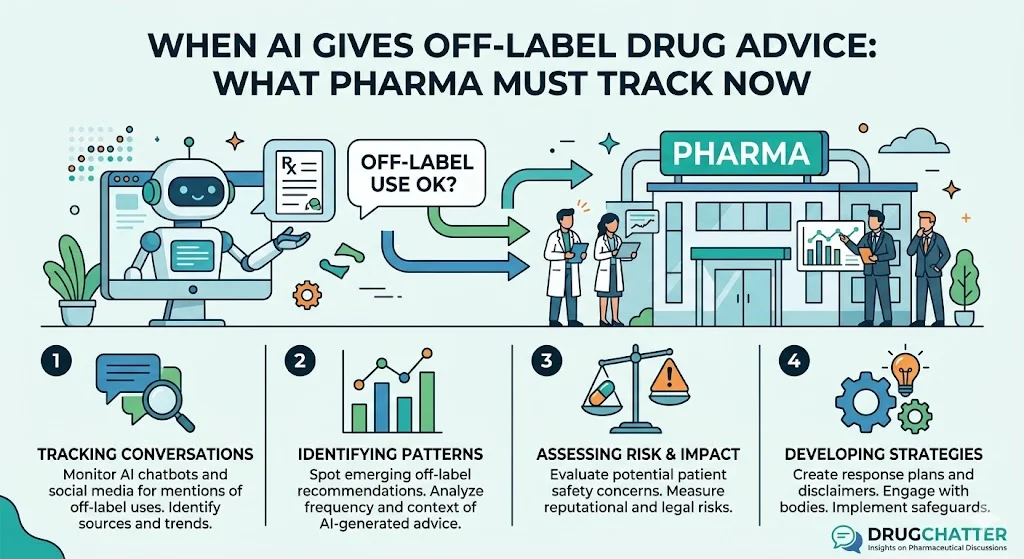
A patient asks ChatGPT whether their antidepressant can help with chronic pain. Another asks Gemini if a GLP-1 drug will
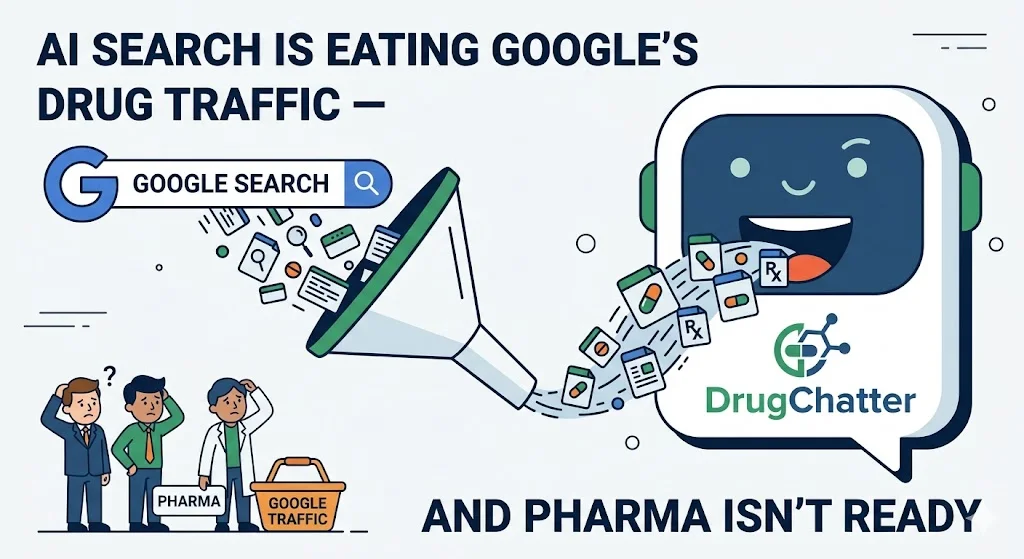
When a patient types “is Ozempic safe for someone with a history of pancreatitis?” into ChatGPT, they get an answer
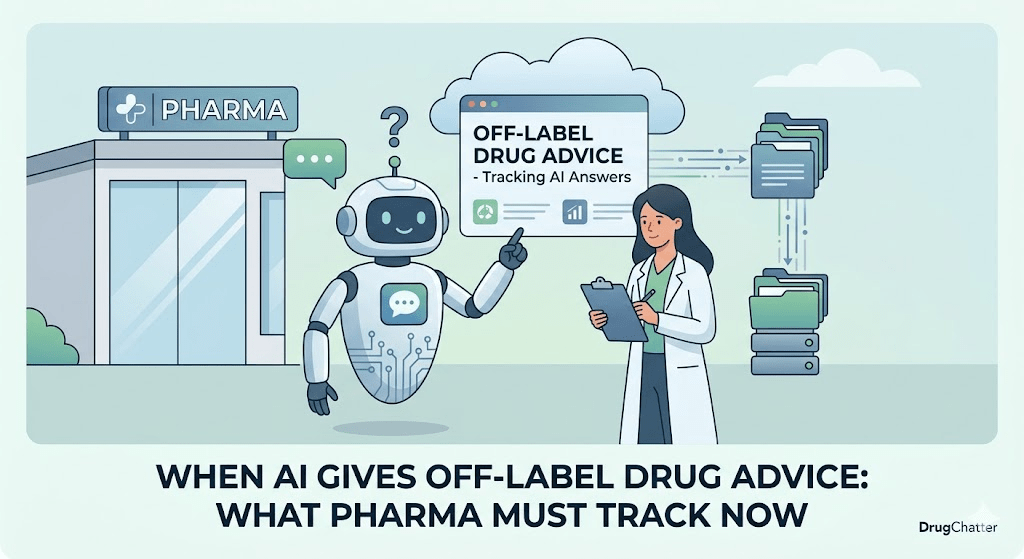
A patient asks ChatGPT whether their antidepressant can help with chronic pain. Another asks Gemini if a GLP-1 drug will
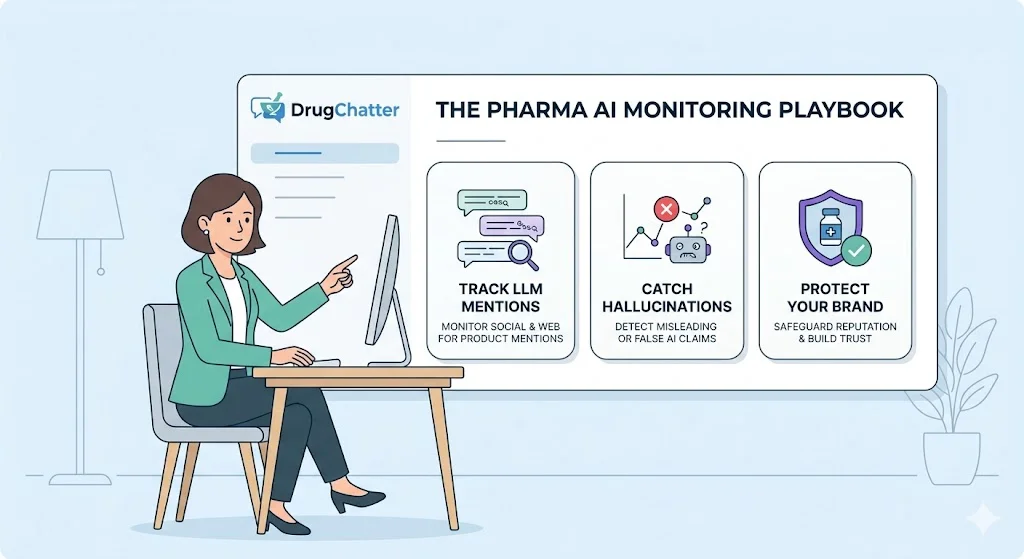
Most pharmaceutical companies still don’t know what ChatGPT says about their drugs. They don’t know whether Perplexity recommends their biologic
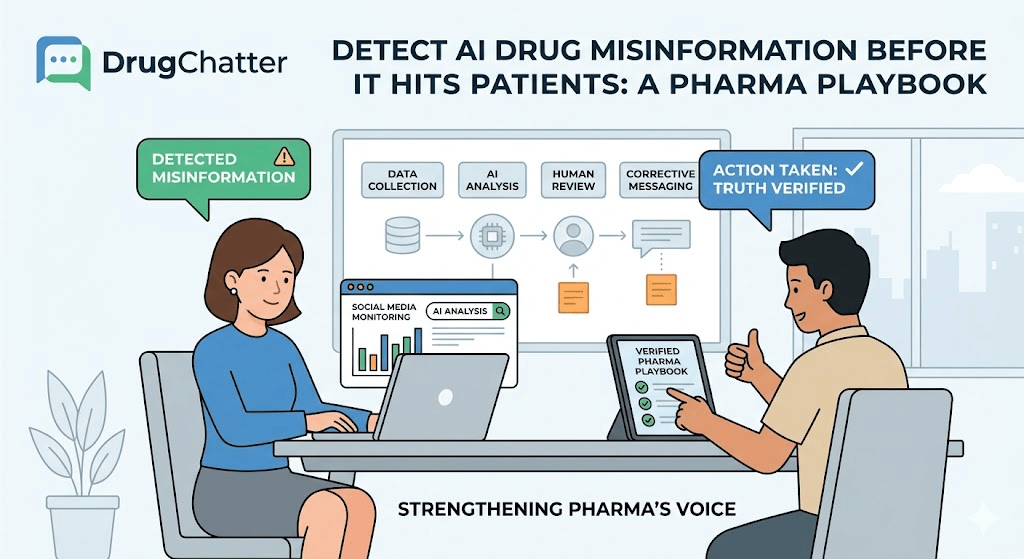
At some point in the last eighteen months, the drug information environment crossed a threshold. Patients stopped asking Google first.
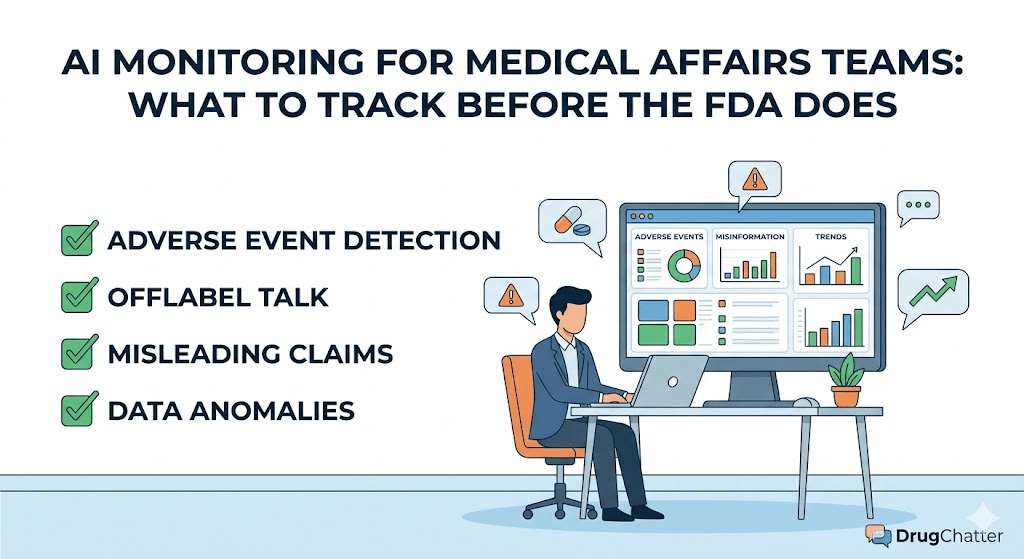
When a patient asks ChatGPT whether they can take Ozempic while on metformin, that answer — accurate or not —
Sign in or create a free account to read this DrugChatter article