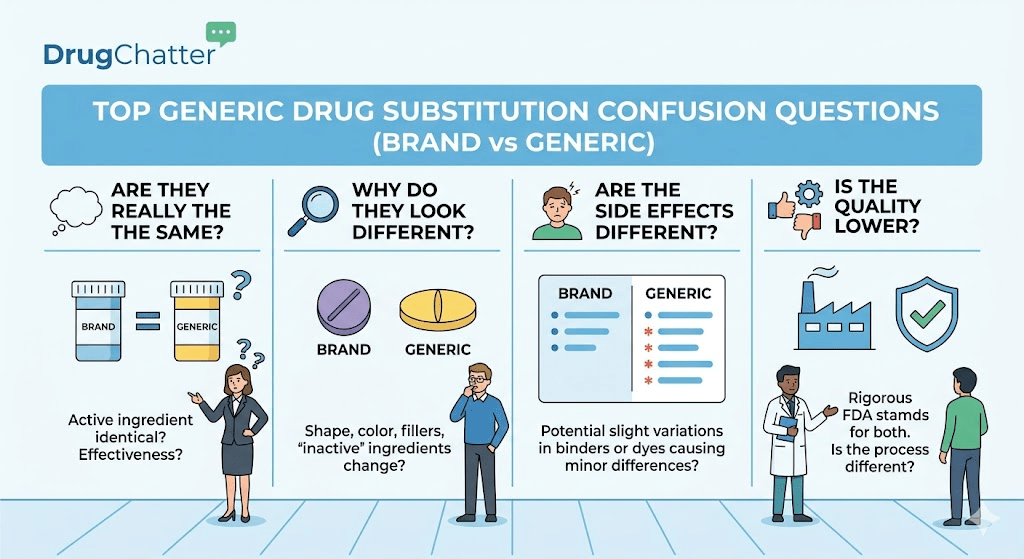
Brand vs. Generic: The Substitution Confusion Questions That Keep Coming Back
There are two kinds of medication questions: the ones that are really about pharmacology, and the ones that are really […]
There are two kinds of medication questions: the ones that are really about pharmacology, and the ones that are really […]
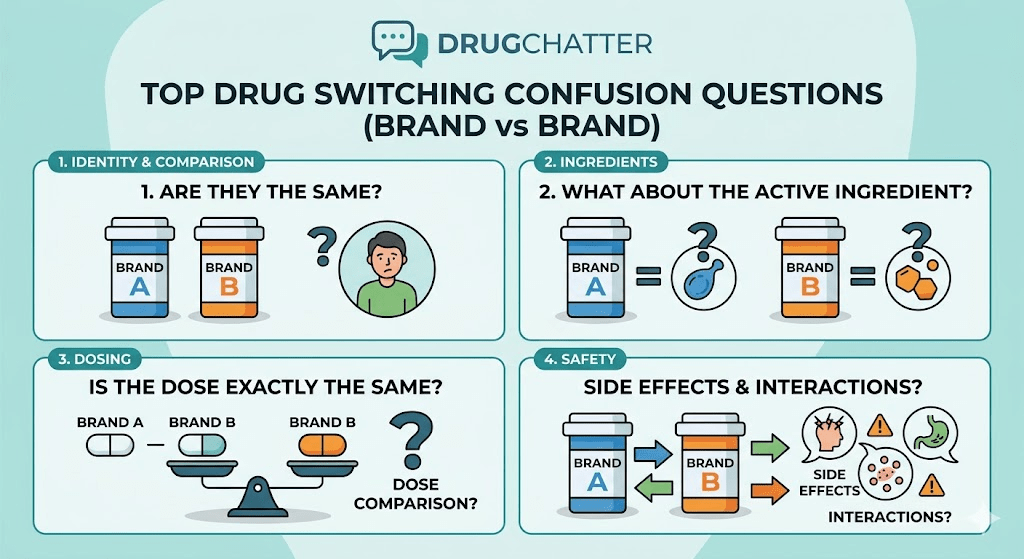
Drug switching is supposed to be boring: same active ingredient, same job, fewer headaches. But in the real world—formularies, insurance
Top food and drug interaction questions people keep getting wrong Every week, the same themes show up in patient questions:
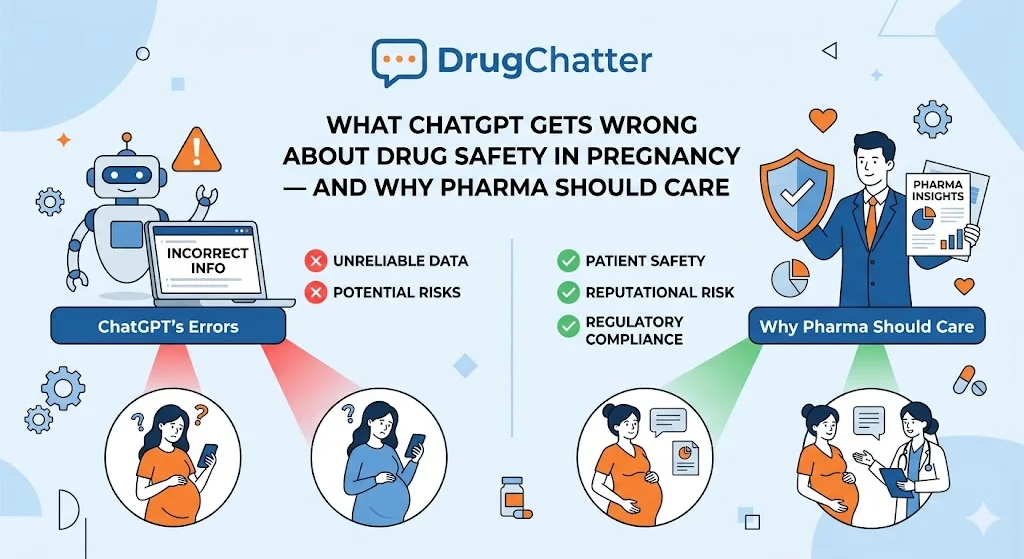
A pregnant patient searches ‘is it safe to take metformin while pregnant’ in ChatGPT. The answer she receives is plausible,
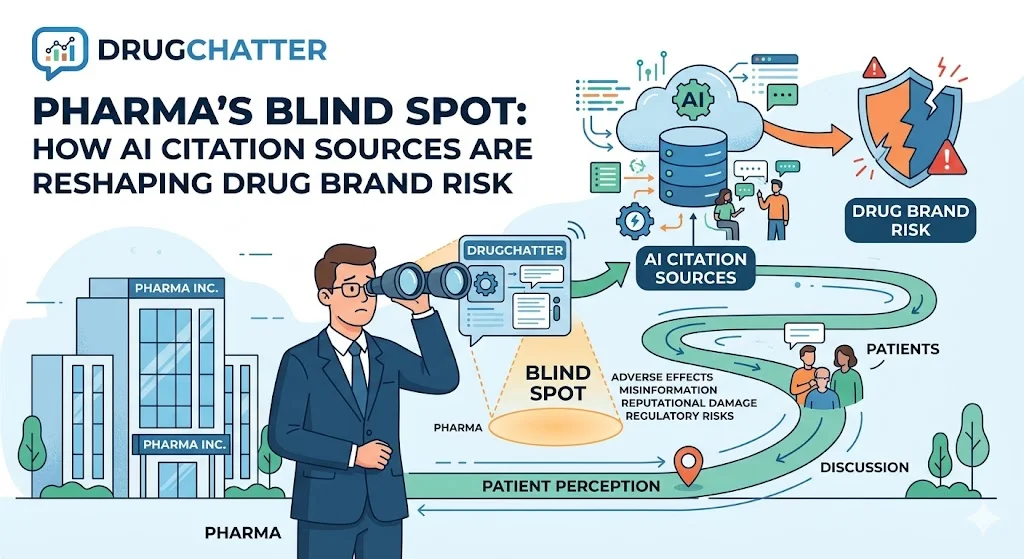
When a patient asks ChatGPT whether Ozempic causes pancreatitis, the answer they receive depends entirely on which sources the model
A patient with rheumatoid arthritis does not always call her rheumatologist first anymore. She opens ChatGPT and asks whether switching
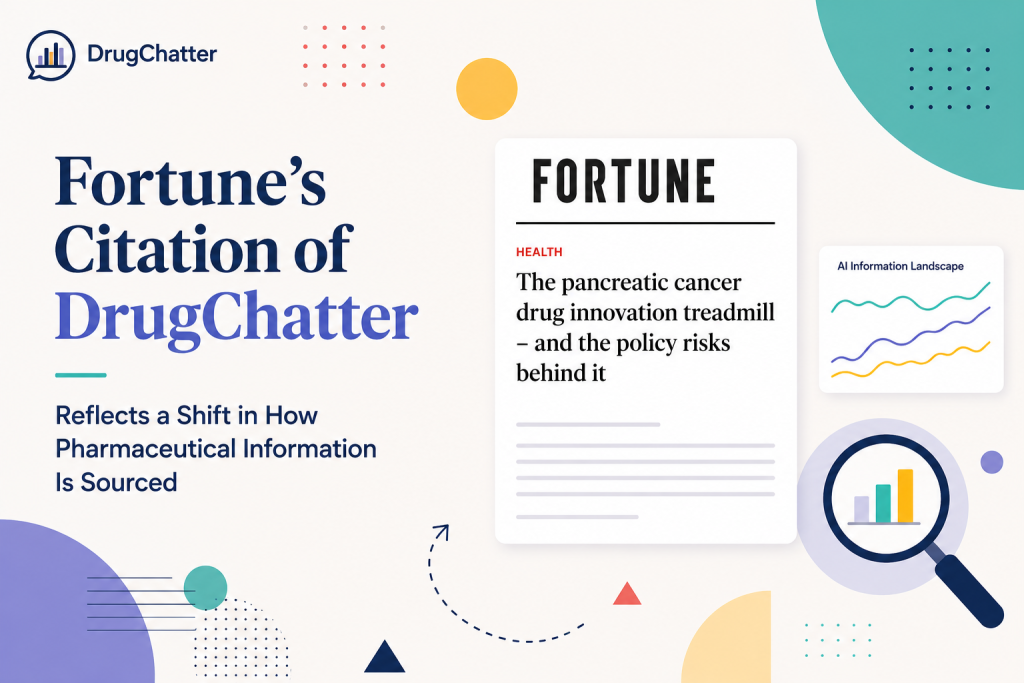
Artificial intelligence is beginning to change not only how patients search for information about medicines, but also how journalists research
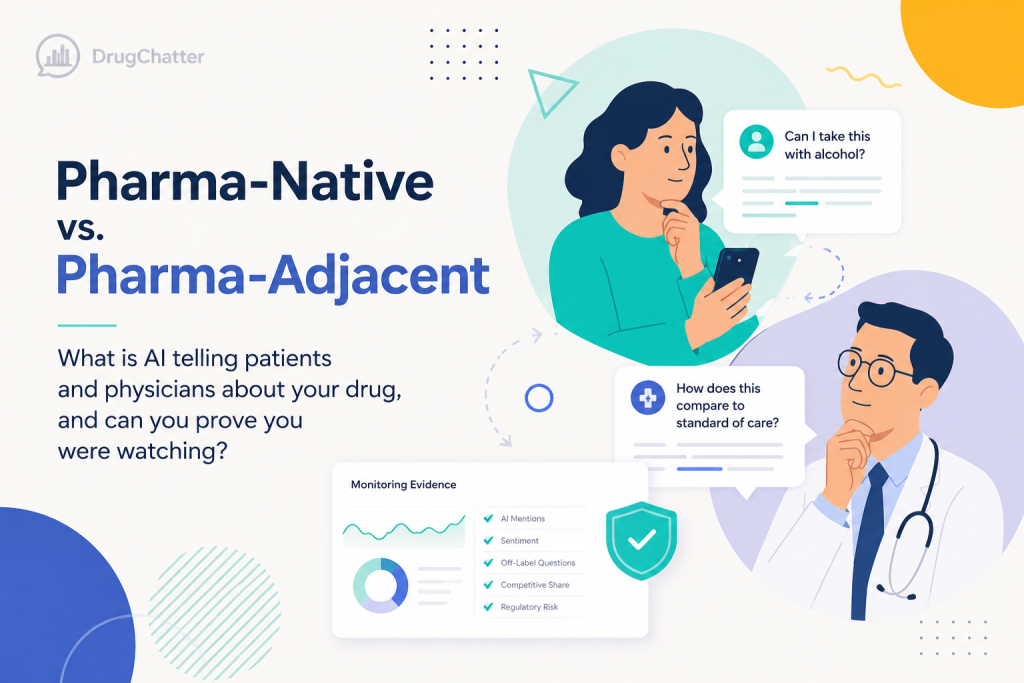
A patient asks ChatGPT if it is safe to skip a dose of a heart medication because they feel dizzy.
In 2023, a 54-year-old woman in Phoenix typed a question into ChatGPT that her endocrinologist hadn’t fully answered to her
When a physician in Ohio types “best GLP-1 for weight loss” into Perplexity and receives a two-paragraph synthesis with no
ChatGPT has told patients that Ozempic is FDA-approved for weight loss in children. Gemini has cited drug interaction warnings that
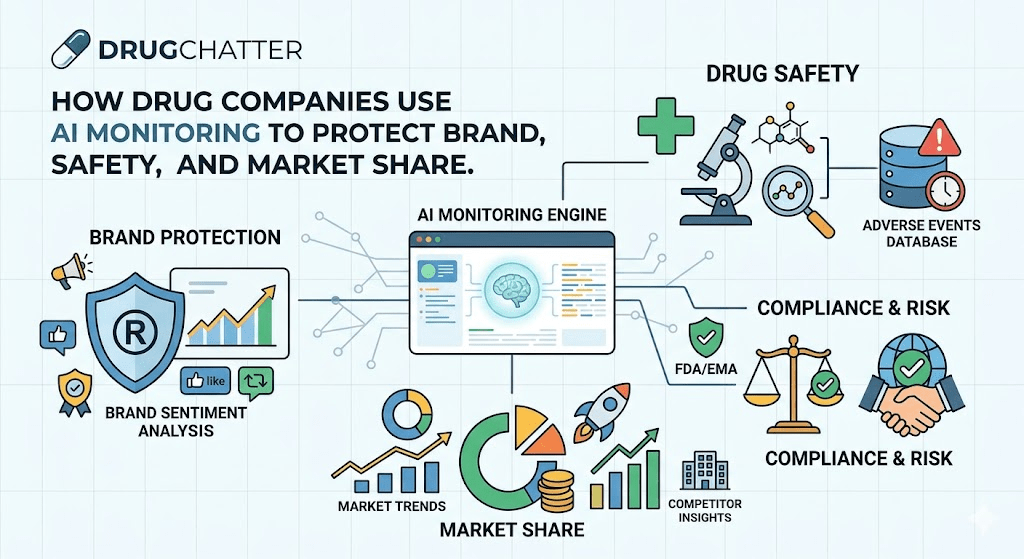
In 2023, a patient in a Reddit thread described asking ChatGPT about Ozempic dosing. The AI told her it was
Sign in or create a free account to read this DrugChatter article